“Promoting Health benefits and Well-Being through Traditional Indian Food”
The traditional Indian Food, often referred to as a “desi” diet, is rich in history and diversity, varying by region and culture. While it features a wide array of flavors, ingredients, and cooking methods, it is commonly characterized by several key components and is associated with numerous health benefits:
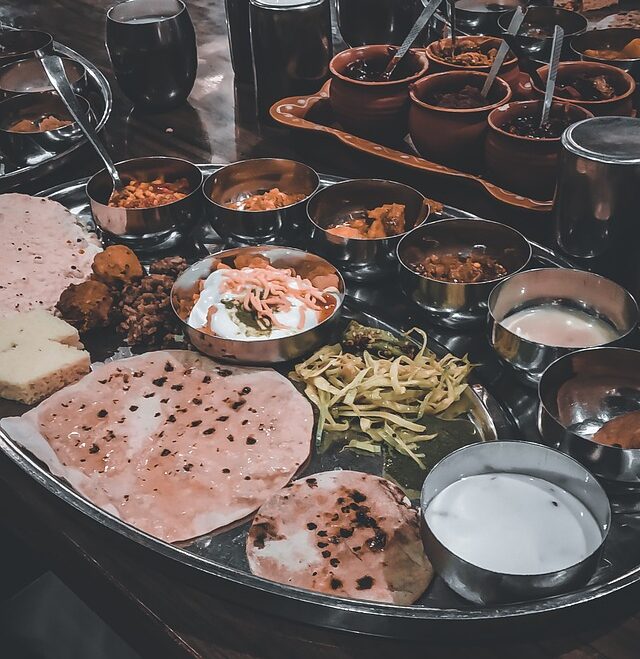
1. Diversity of Plant-Based Foods :
– Traditional Indian diets are typically plant-centric, emphasizing a variety of vegetables, fruits, legumes, and whole grains. This diversity ensures a wide range of nutrients and dietary fiber.
– These foods provide essential vitamins, minerals, antioxidants, and dietary fiber that promote overall health.
2. Spices and Herbs :
– Spices like turmeric, cumin, coriander, and cardamom are frequently used in Indian cooking. These spices have been associated with anti-inflammatory and antioxidant properties.
– Turmeric, in particular, contains curcumin, known for its potential health benefits, including anti-inflammatory and potential cancer-fighting properties.
3. Healthy Fats :
– Traditional Indian diets often incorporate healthy fats such as ghee (clarified butter) and cold-pressed oils like mustard, sesame, and coconut oil.
– These fats provide essential fatty acids and fat-soluble vitamins.
4. Legumes and Pulses :
– Legumes like lentils, chickpeas, and mung beans are staples in Indian cuisine. They are rich sources of plant-based proteins, dietary fiber, and various essential nutrients.
– The inclusion of legumes contributes to a lower risk of heart disease and diabetes.
5. Whole Grains :
– Whole grains like rice, wheat, and millets are commonly consumed. These grains are a significant source of energy and provide a wide range of nutrients when consumed in their whole form.
– They offer complex carbohydrates and fiber, promoting sustained energy and better glycemic control.
6. Fermented Foods :
– Fermented foods like yogurt (curd), buttermilk, and pickles are prevalent in Indian cuisine. They support gut health by providing probiotics and aiding digestion.
– A healthy gut is linked to overall well-being and a stronger immune system.
7. Balanced Meals :
– Traditional Indian diets often include a balance of different food groups in a single meal. This promotes a harmonious intake of carbohydrates, proteins, and fats, helping to maintain energy levels and sustain appetite control.
8. Ayurvedic Principles :
– Ayurveda, an ancient Indian system of medicine, encourages the consumption of foods according to one’s dosha (constitution) and the seasons. It emphasizes the idea that the right foods can support physical and mental well-being.
9. Local and Seasonal Produce :
– Traditional Indian diets often use local and seasonal ingredients, which ensures freshness and a wide range of nutrients in the diet.
– This promotes sustainability and reduces the carbon footprint.
10. Emphasis on Cooking Methods :
– Traditional Indian cooking methods often include roasting, steaming, and grilling. These methods are generally healthier than deep-frying.
– The use of herbs and spices for flavoring reduces the reliance on excessive salt or sugar.
While the traditional Indian diet offers numerous health benefits, it’s essential to note that modern adaptations and lifestyle changes, such as increased consumption of processed and fast foods and reduced physical activity, can contribute to obesity and related health issues. To harness the health benefits of the traditional Indian diet, individuals should aim for balance, variety, and portion control, as well as stay physically active.
ALSO READ : “7 Obesity Prevalences in India”
“Problems with Traditional Indian Food: Too Many Calories”
Traditional Indian cuisine, while rich in flavor and diversity, does have potential pitfalls when it comes to health. Some of these pitfalls include:

1. High-Calorie Dishes : Many traditional Indian dishes are prepared with generous amounts of ghee (clarified butter) or oil, which significantly increases their calorie content. Dishes like butter chicken, biryani, and parathas can be calorie-dense.
2. Fried Foods : Deep-frying is a common cooking method in Indian cuisine. Popular items like samosas, pakoras, and puris are deep-fried, making them calorie-rich and high in unhealthy trans fats.
3. Excessive Use of Sugar : Many Indian desserts and sweets, such as gulab jamun, jalebi, and barfi, are exceptionally sweet, often containing high levels of sugar. This can contribute to calorie intake and potentially lead to issues like obesity and diabetes.
4. Refined Carbohydrates : White rice and white bread are often used in traditional Indian cooking. These refined grains have a high glycemic index and can lead to rapid spikes in blood sugar levels.
5. Heavy Cream and Dairy : Cream-based gravies and dishes like paneer tikka masala can be calorie-laden due to their use of heavy cream and full-fat dairy products.
6. Overuse of Nuts : While nuts like almonds and cashews are healthy in moderation, many Indian recipes use them in abundance. The high fat content in nuts can add significant calories to dishes.
7. Sugary Beverages : Traditional Indian beverages like lassi (sweet yogurt drink) and sherbet (sweet fruit drink) often contain added sugar, contributing to calorie intake.
8. Lack of Portion Control : Traditional Indian meals are often served in family-style settings, which can make it easy to overeat. Without portion control, individuals may consume more than they need.
9. Inadequate Vegetable Intake : While Indian cuisine includes a variety of vegetables, they are sometimes overshadowed by richer, calorie-dense dishes. This can result in a lower intake of essential nutrients and fiber.
10. Prevalence of Processed Foods : In modern times, processed and packaged Indian snacks, which are often high in unhealthy fats, salt, and preservatives, have become more popular. These can contribute to overconsumption of unhealthy calories.
11. Heavy Use of Salt : Many Indian dishes use salt generously, which, when combined with the high salt content of preserved foods and pickles, can contribute to issues like high blood pressure and water retention.
12. Lack of Protein Variety : Many traditional Indian diets predominantly rely on plant-based sources of protein like lentils and legumes. While these are healthy, it’s important to ensure a variety of protein sources to get a full range of amino acids.
To enjoy the flavors and health benefits of Indian cuisine while avoiding these potential pitfalls, individuals can make mindful choices. This includes using healthier cooking methods (e.g., grilling, steaming), opting for lower-fat dairy products, consuming sweets and fried foods in moderation, choosing whole grains over refined ones, practicing portion control, and incorporating a wide range of vegetables and lean proteins into the diet. Additionally, it’s important to be mindful of total calorie intake and balance it with physical activity to maintain a healthy weight and overall well-being.
“Food Trends in India: Eating Vegan, Keto, and Skipping Meals”
The emergence of modern dietary trends, including veganism, keto, and intermittent fasting, in India reflects the global influence on dietary choices, evolving health consciousness, and a growing interest in diverse ways of eating. These trends have gained popularity in India for various reasons:
1. Veganism :
– Health and Ethics : Veganism has seen a surge in India, primarily driven by health concerns and ethical considerations. People adopt vegan diets to reduce the risk of chronic diseases and to avoid animal cruelty.
– Plant-Based Food Availability : The availability of plant-based alternatives has expanded in India. Plant-based milk, meat substitutes, and vegan-friendly restaurants have become more prevalent, making it easier for people to adopt vegan diets.
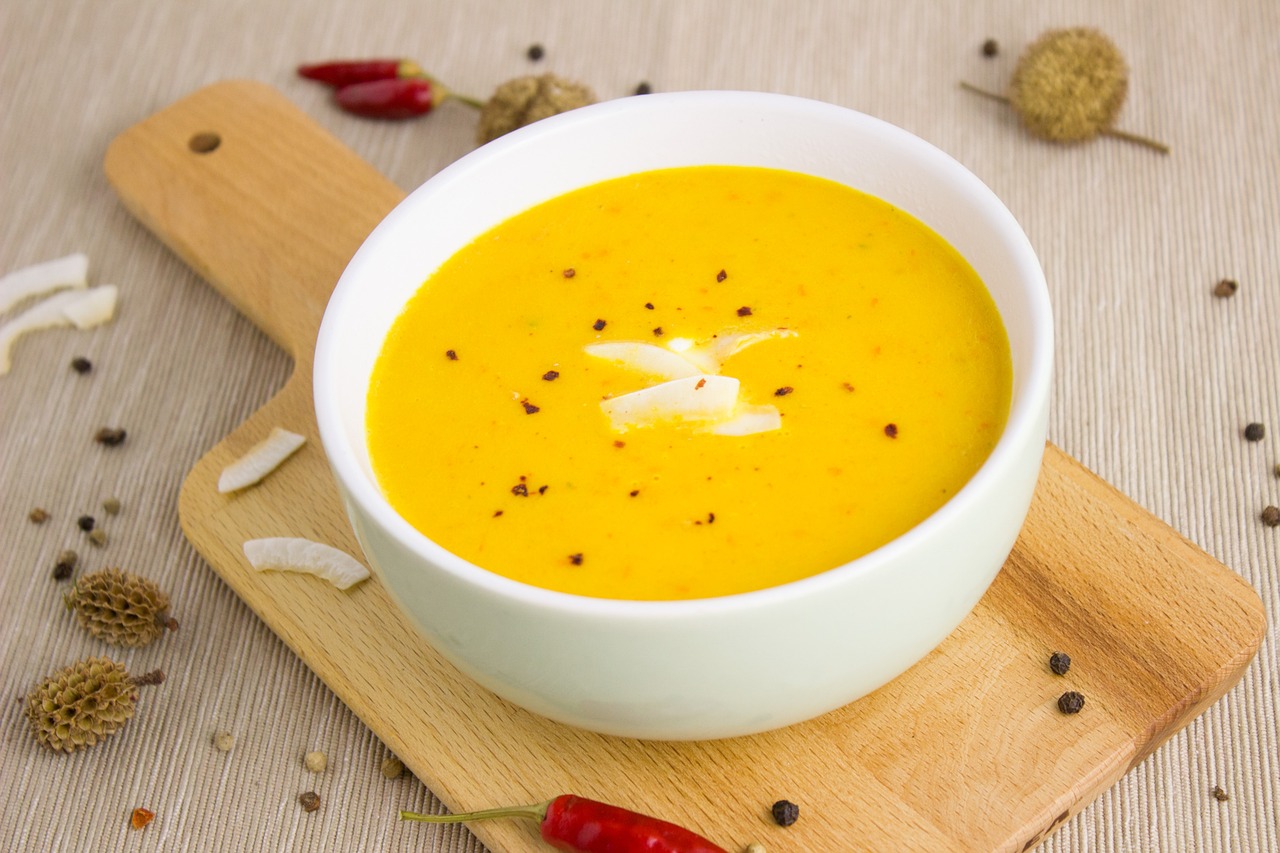
– Traditional Indian Veganism : Certain regions in India have a long history of vegetarianism, and veganism aligns with this tradition. Additionally, Jainism, a religion practiced by a significant number of Indians, promotes vegetarianism, including veganism.
2. Keto (Ketogenic Diet) :
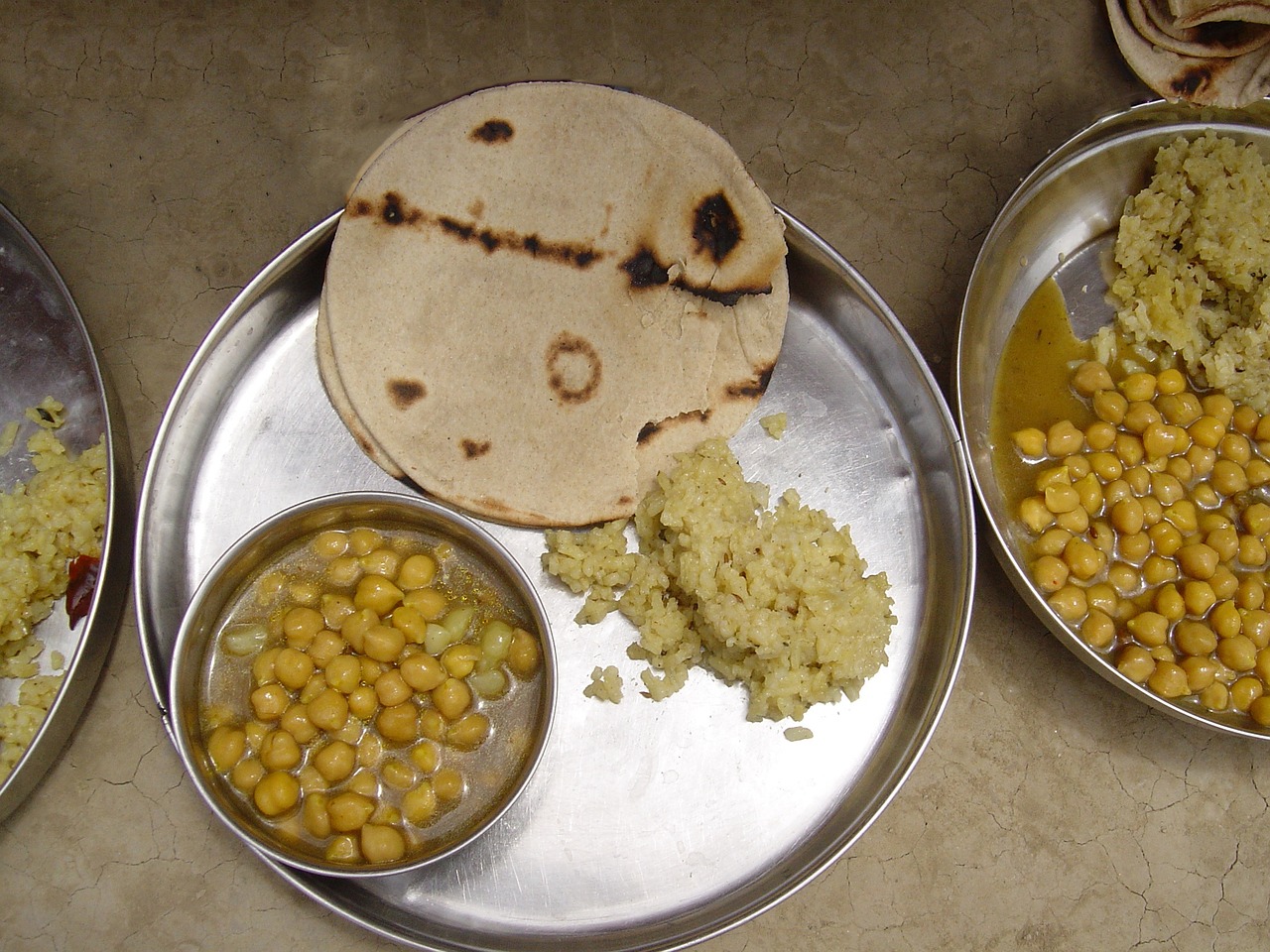
– Weight Management : The keto diet has gained popularity in India as a weight loss strategy. People are drawn to the idea of losing weight by restricting carbohydrates and promoting fat as a primary energy source.
– Influence of Western Culture : The keto diet trend in India reflects the influence of Western dietary trends, including low-carb diets. Many keto-friendly products are now available in the market.
– Potential Health Benefits : Some individuals follow the keto diet in India for potential health benefits, such as improved blood sugar control and reduced risk of certain neurological conditions.
3. Intermittent Fasting :
– Weight Management and Metabolic Health : Intermittent fasting has gained traction in India due to its potential benefits for weight management and metabolic health. The 16/8 method (fasting for 16 hours and eating within an 8-hour window) is popular.
– Cultural Compatibility : Intermittent fasting aligns with certain Indian cultural practices, such as fasting during religious festivals. This familiarity makes it more acceptable and manageable for many.
4. Traditional Indian Food Practices :
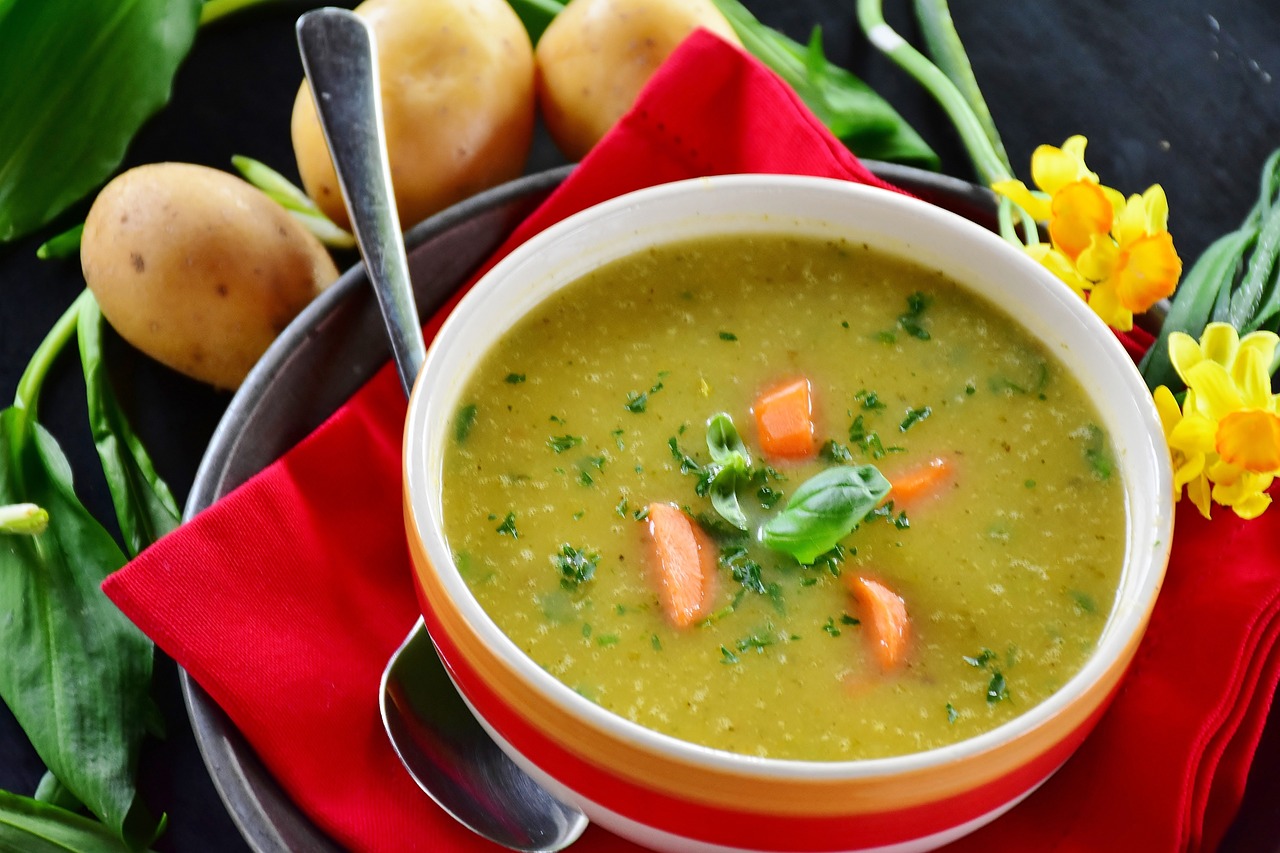
– Despite the rise of these modern dietary trends, traditional Indian dietary practices still hold a prominent place. Many people in India continue to follow balanced diets, incorporating a variety of whole grains, lentils, vegetables, and dairy products.
– Ayurveda, an ancient Indian system of medicine, also plays a role in shaping dietary choices by emphasizing individualized diets based on one’s dosha (constitution).
5. Urbanization and Health Awareness :
– In urban areas of India, the influence of Western culture, increased health awareness, and access to information have contributed to the adoption of these dietary trends.
– As urban lifestyles become busier and more sedentary, people are seeking dietary strategies that they believe can support their health and well-being.
It’s important to note that while these dietary trends offer potential health benefits, they also come with challenges, especially if not followed properly. Balancing cultural traditions and dietary trends is a consideration for many Indians, as they aim to incorporate the best of both worlds. As these trends continue to evolve, it’s crucial for individuals to make informed choices, consult with healthcare professionals when necessary, and focus on diets that align with their health goals and lifestyles.
I appreciate your creativity and the effort you put into every post. Keep up the great work!
naturally like your web site however you need to take a look at the spelling on several of your posts. A number of them are rife with spelling problems and I find it very bothersome to tell the truth on the other hand I will surely come again again.