Depression is one of the most common and serious mental health conditions affecting people across all age groups. In today’s fast-paced world, where stress and anxiety are increasingly common, understanding what depression is, recognizing its symptoms, and knowing how to seek depression treatment is crucial for maintaining good mental health.
What Is Depression?
Depression is more than just feeling sad or going through a rough patch. It’s a persistent mood disorder that affects how a person thinks, feels, and behaves. Clinically known as major depressive disorder (MDD), depression can interfere with daily life, relationships, work, and even physical health.
Unlike occasional sadness, depression doesn’t go away on its own and often requires treatment. It can last for weeks, months, or even years if not properly managed.
Symptoms of Depression
Recognizing the symptoms of depression is the first step toward seeking help. While depression can look different for everyone, common signs include:
- Persistent Sadness or Low Mood
Feeling sad, empty, or hopeless for most of the day, nearly every day.
- Loss of Interest or Pleasure
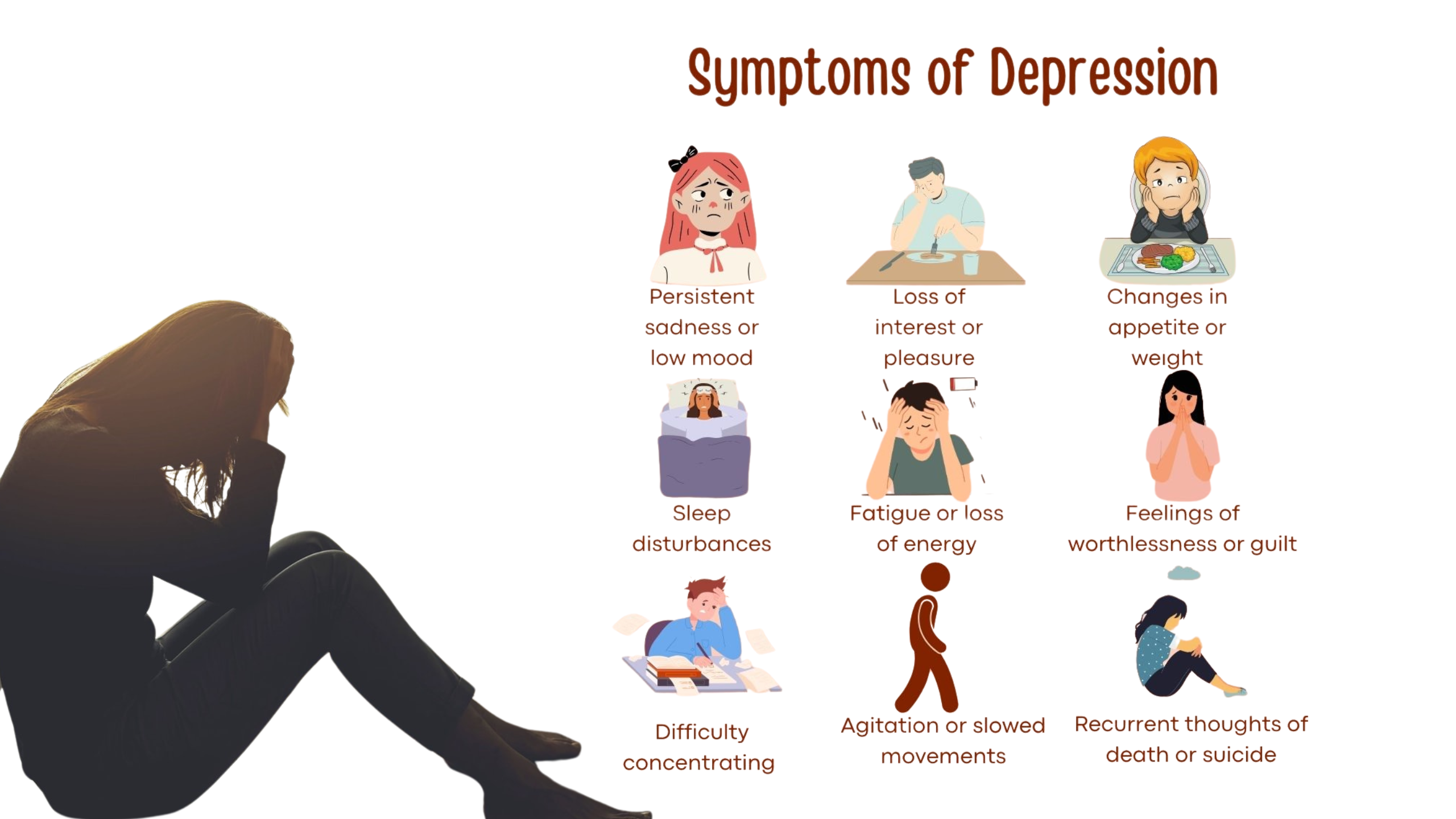
A noticeable lack of interest in activities once enjoyed, such as hobbies, social events, or even eating.
- Fatigue and Low Energy
Even small tasks can feel exhausting, and you may feel like you have no energy or motivation.
- Sleep Disturbances
Insomnia or sleeping too much are both common symptoms.
- Changes in Appetite or Weight
Significant weight loss or gain without dieting, or a noticeable change in appetite.
- Difficulty Concentrating
Trouble focusing, making decisions, or remembering things.
- Feelings of Worthlessness or Guilt
Harsh self-criticism, feeling like a burden to others, or dwelling on past failures.
- Physical Symptoms
Unexplained aches, headaches, or digestive issues that don’t respond to treatment.
- Suicidal Thoughts or Behaviors
Thoughts of death or suicide are serious symptoms that require immediate help.
Causes of Depression
Depression doesn’t have a single cause. It often results from a combination of biological, psychological, and environmental factors:
Genetics: A family history of depression can increase your risk.
Brain chemistry: Imbalances in neurotransmitters like serotonin and dopamine.
Life events: Trauma, grief, abuse, or stressful life changes.
Medical conditions: Chronic illness, hormonal imbalances, or certain medications.
Personality: People with low self-esteem or a pessimistic outlook are more vulnerable.
Understanding the root causes can help guide the right depression treatment plan.
Depression Treatment Options
The good news is that depression is treatable. With the right approach, most people can recover and lead fulfilling lives. Treatment typically includes one or a combination of the following:
- Psychotherapy (Talk Therapy)
Therapy helps individuals explore their thoughts, emotions, and behaviors. Common types include:
Cognitive Behavioural Therapy (CBT)
Interpersonal Therapy (IPT)
Mindfulness-Based Therapy
- Medications
Antidepressants work by balancing chemicals in the brain. Always consult a doctor before starting or stopping any medication.
- Lifestyle Changes
Exercise regularly
Eat a balanced diet
Get enough sleep
Limit alcohol and drugs
- Support Groups
Connecting with others who understand what you’re going through can be incredibly helpful. connect for more
- Alternative Therapies
Meditation and yoga
Art or music therapy
Light therapy (for Seasonal Affective Disorder)
________________________________________
The Importance of Mental Health
Mental health is vital to our overall well-being. When depression is left untreated, it can lead to serious consequences. Taking care of your mental health means:
Recognizing when you’re struggling
Taking steps to seek support
Reducing stigma around mental illness
Frequently Asked Questions About Depression and Mental Health
❓ Why do I feel sad all the time?
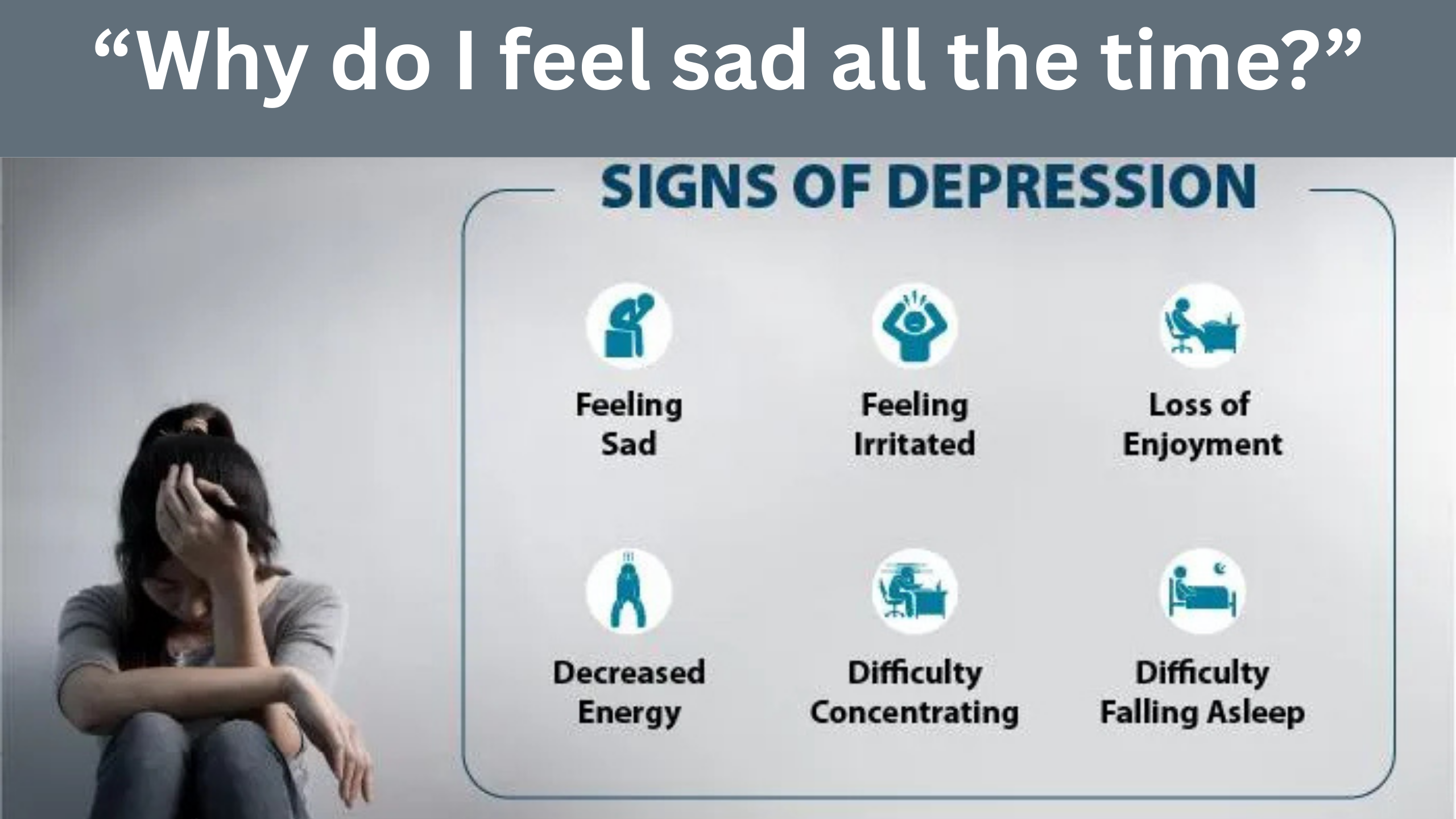
If you’re feeling sad most of the time and it’s lasting for more than two weeks, it might be a sign of depression. Ongoing sadness may also be caused by unresolved stress, hormonal imbalances, grief, or loneliness. It’s important to talk to a mental health professional for a proper assessment. APA
❓ How do I know if I have depression?
Common symptoms of depression include constant sadness, fatigue, sleep problems, changes in appetite, difficulty concentrating, and feelings of hopelessness. If you’re experiencing several of these signs consistently, it’s time to seek professional help. A mental health expert can diagnose and guide you toward treatment.
❓ What can I do to feel better mentally?
Here are a few effective ways to support your mental well-being:
Talk to someone you trust
Practice regular physical activity
Maintain a healthy sleep routine
Limit caffeine and alcohol
Try journaling or mindfulness exercises
Seek therapy or counseling if symptoms persist
Even small, positive habits can create big changes in how you feel.
❓ How to improve mental health at home?
Improving your mental health at home can start with simple lifestyle changes:
Declutter your space for a clearer mind
Create a daily routine to bring structure
Practice deep breathing or meditation
Limit screen time and social media
Cook nutritious meals
Stay connected with friends and loved ones
Consistency is key. Make mental health a part of your daily self-care.
Final Thoughts
Depression is a serious but treatable condition. By understanding what depression is, recognizing the symptoms of depression, and exploring effective depression treatment options, you can take charge of your mental health and begin the healing process.
If you’re struggling, remember: You are not alone, and help is available. The first step is reaching out.