
Alzheimer’s disease is a progressive neurodegenerative disorder and the most common cause of dementia, accounting for 60–80% of cases. It primarily affects older adults, leading to a decline in memory, thinking, and behavior, eventually interfering with daily tasks
Understanding Alzheimer’s Disease: Causes, Symptoms, and Hope for the Future
Alzheimer’s disease is a progressive neurological disorder that affects millions of people worldwide, leading to memory loss, cognitive decline, and behavioral changes. As the most common form of dementia, it not only impacts individuals but also places a significant emotional and financial burden on families and caregivers. Understanding Alzheimer’s—its causes, symptoms, and potential treatments—can help in early detection, better management, and support for those affected.
What is Alzheimer’s Disease?
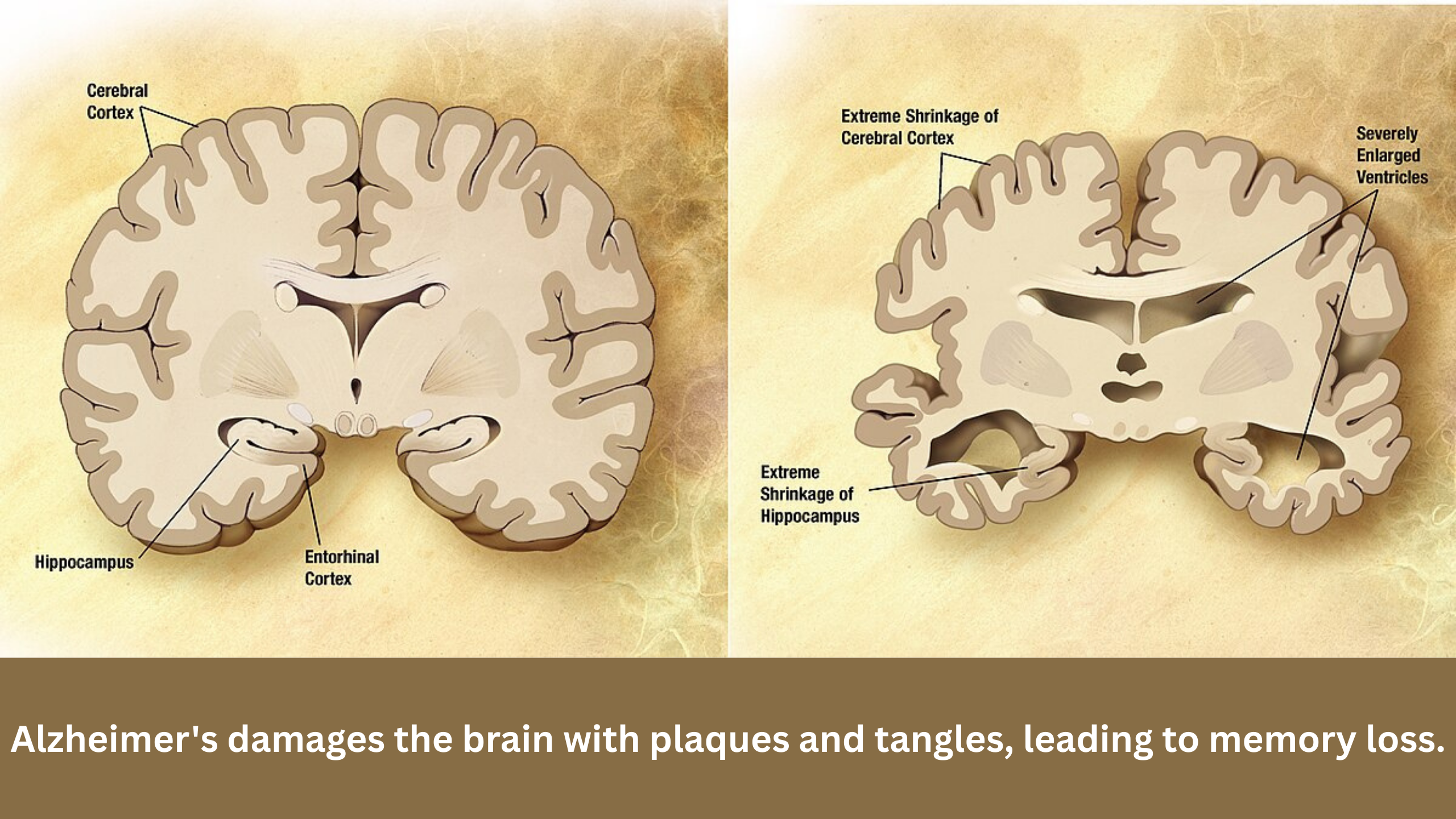
Alzheimer’s disease is a degenerative brain condition that slowly destroys memory and thinking skills, eventually impairing the ability to perform even the simplest tasks. It was first identified in 1906 by Dr. Alois Alzheimer, who noticed abnormal clumps (amyloid plaques) and tangled fibres (neurofibrillary tangles) in the brain of a deceased patient who had suffered from memory loss and unpredictable behaviour.
Today, researchers know that Alzheimer’s is caused by the accumulation of these toxic proteins, which disrupt communication between brain cells and lead to their eventual death. The disease typically begins in the hippocampus, the brain’s memory center, before spreading to other regions responsible for reasoning, language, and behaviour.
Symptoms and Stages of Alzheimer’s
Alzheimer’s progresses in stages, with symptoms worsening over time:
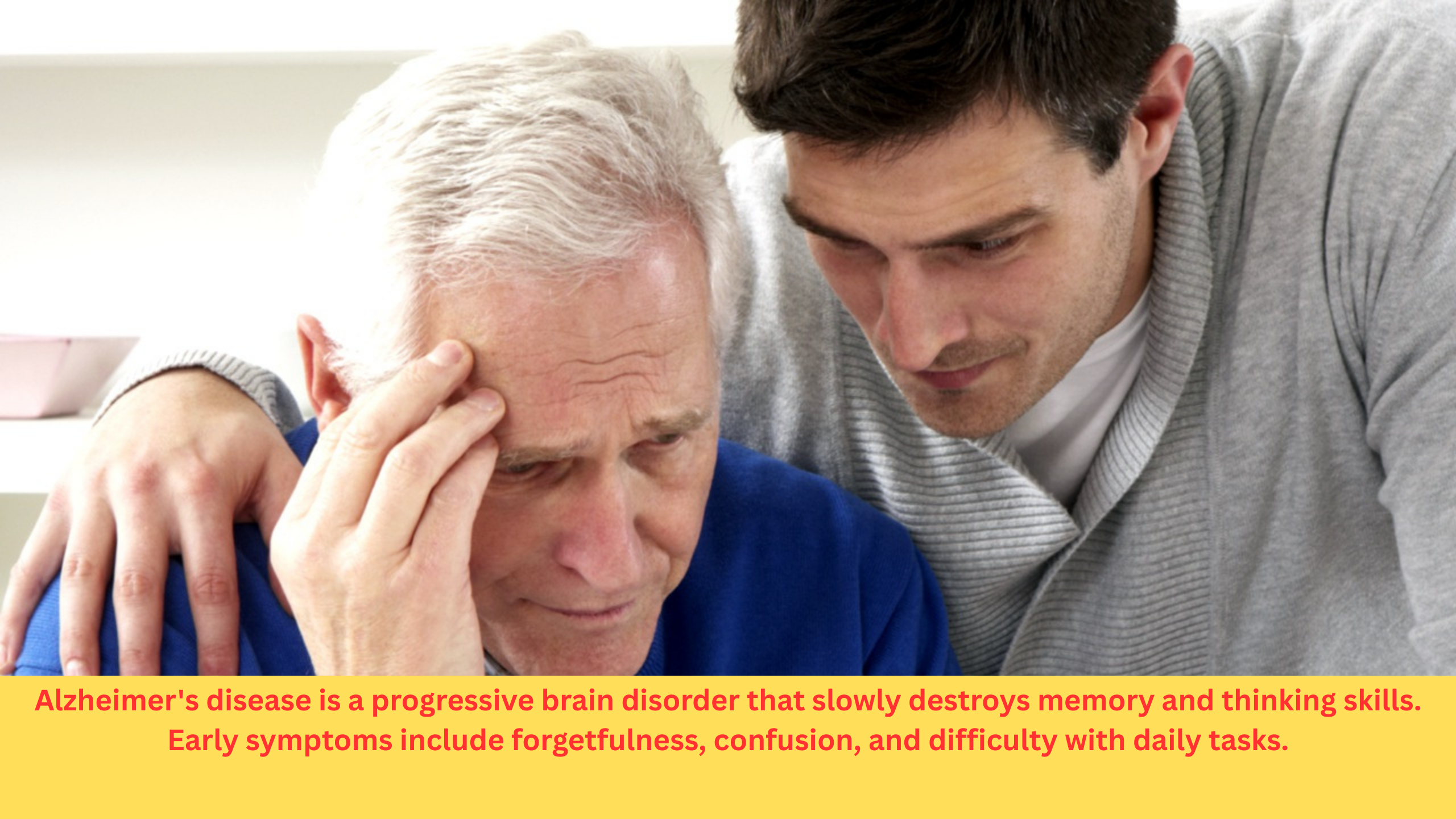
- Early Stage (Mild Alzheimer’s)
– Memory lapses, such as forgetting recent conversations or appointments
– Difficulty finding the right words
– Trouble managing finances or planning tasks
– Mild confusion in familiar settings
- Middle Stage (Moderate Alzheimer’s)
– Increased memory loss, including forgetting personal history
– Difficulty recognizing family and friends
– Impaired judgment and reasoning
– Mood swings, anxiety, or aggression
– Wandering or getting lost
- Late Stage (Severe Alzheimer’s)
– Loss of ability to communicate coherently
– Inability to perform basic tasks like eating or dressing
– Severe memory loss, including forgetting close relatives
– Physical decline, such as difficulty walking or swallowing
What Causes Alzheimer’s?
While the exact cause remains unknown, several factors contribute to the disease:
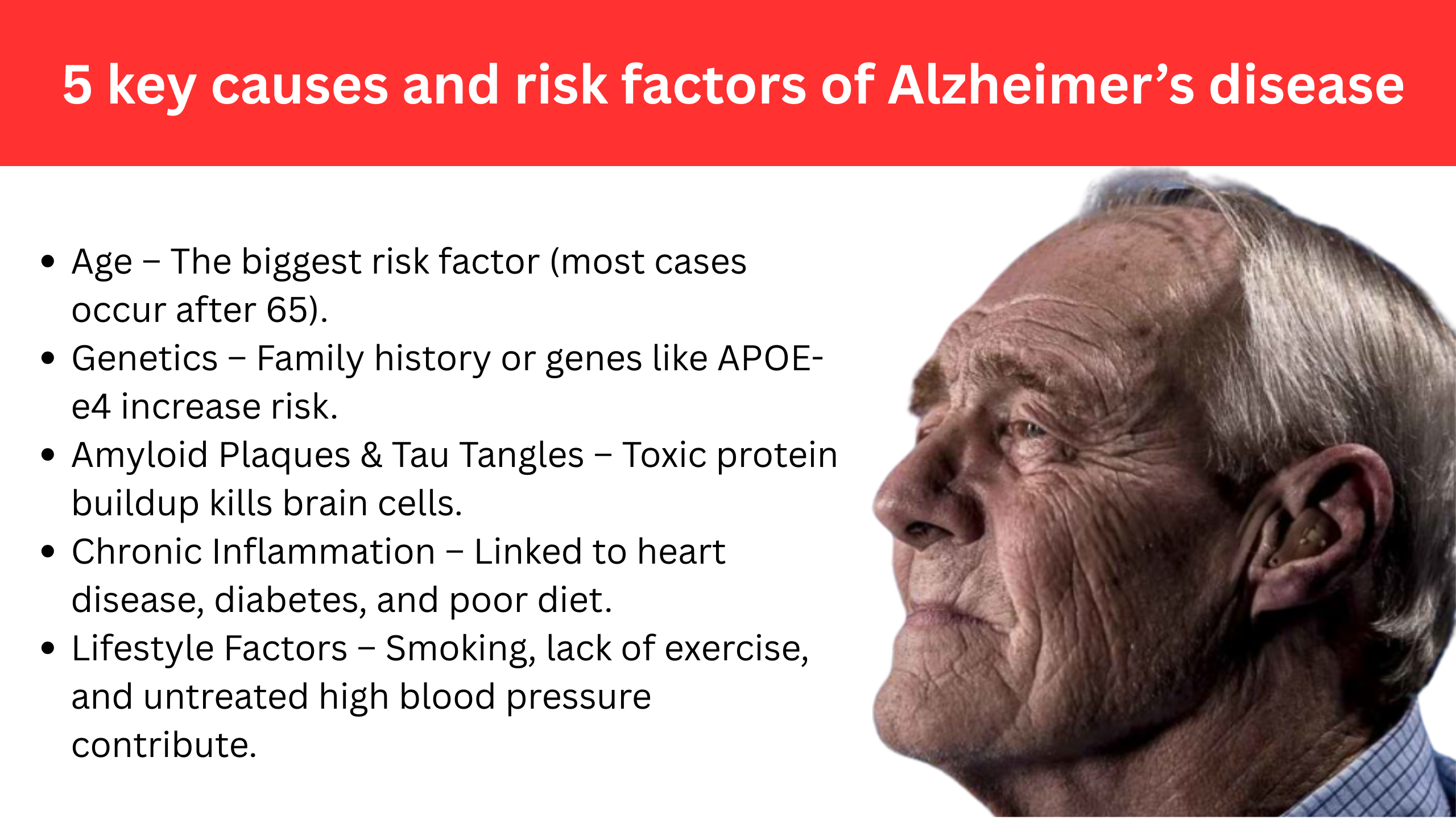
-Age: The greatest risk factor—most patients are 65 or older.
– Genetics: Family history and specific genes (like APOE-e4) increase susceptibility.
– Lifestyle Factors: Poor diet, lack of exercise, smoking, and uncontrolled cardiovascular conditions may elevate risk.
– Brain Changes: Amyloid plaques and tau tangles disrupt neural function. .
Current Treatments and Research
While there is no cure for Alzheimer’s, treatments aim to slow progression and manage symptoms:
Medications: Drugs like Donepezil (Aricept) and Memantine help with memory and cognition.
Lifestyle Interventions: A healthy diet (Mediterranean or MIND diet), regular exercise, and mental stimulation may delay symptoms.
Therapies: Cognitive behavioral therapy and support groups assist patients and caregivers.
Exciting research is underway, including:
Anti-Amyloid Drugs: Lecanemab (Leqembi) has shown promise in slowing cognitive decline.
Tau-Targeting Therapies: Researchers are exploring ways to dissolve harmful tau tangles.
Early Detection: Blood tests and advanced imaging may soon allow earlier diagnosis.
How to Support Loved Ones with Alzheimer’s
Caring for someone with Alzheimer’s can be challenging, but these strategies help-
- Be Patient: Avoid frustration by understanding that confusion is part of the disease.
- Create a Safe Environment: Reduce hazards and establish routines.
- Encourage Engagement: Simple activities like music therapy or light exercise can improve mood.
- Seek Support: Join caregiver groups or consult healthcare professionals for guidance.
A Message of Hope
Though Alzheimer’s remains a formidable disease, advancements in research and growing awareness provide hope. Early detection, innovative treatments, and compassionate care can improve quality of life for patients and families. By supporting Alzheimer’s research and advocating for better care, we move closer to a future where this disease can be prevented or even cured.
If you or a loved one are experiencing memory concerns, consult a doctor. Early intervention makes a difference. Together, we can fight Alzheimer’s with knowledge, empathy, and determination.