“Brain Cancer : Providing Mental and Physical Support”
Brain cancer, like many other types of cancer, is often categorized into stages to describe the extent of the disease and its progression. The staging system for brain cancer can vary depending on the specific type of brain tumor, but a common staging system for primary brain tumors is as follows:
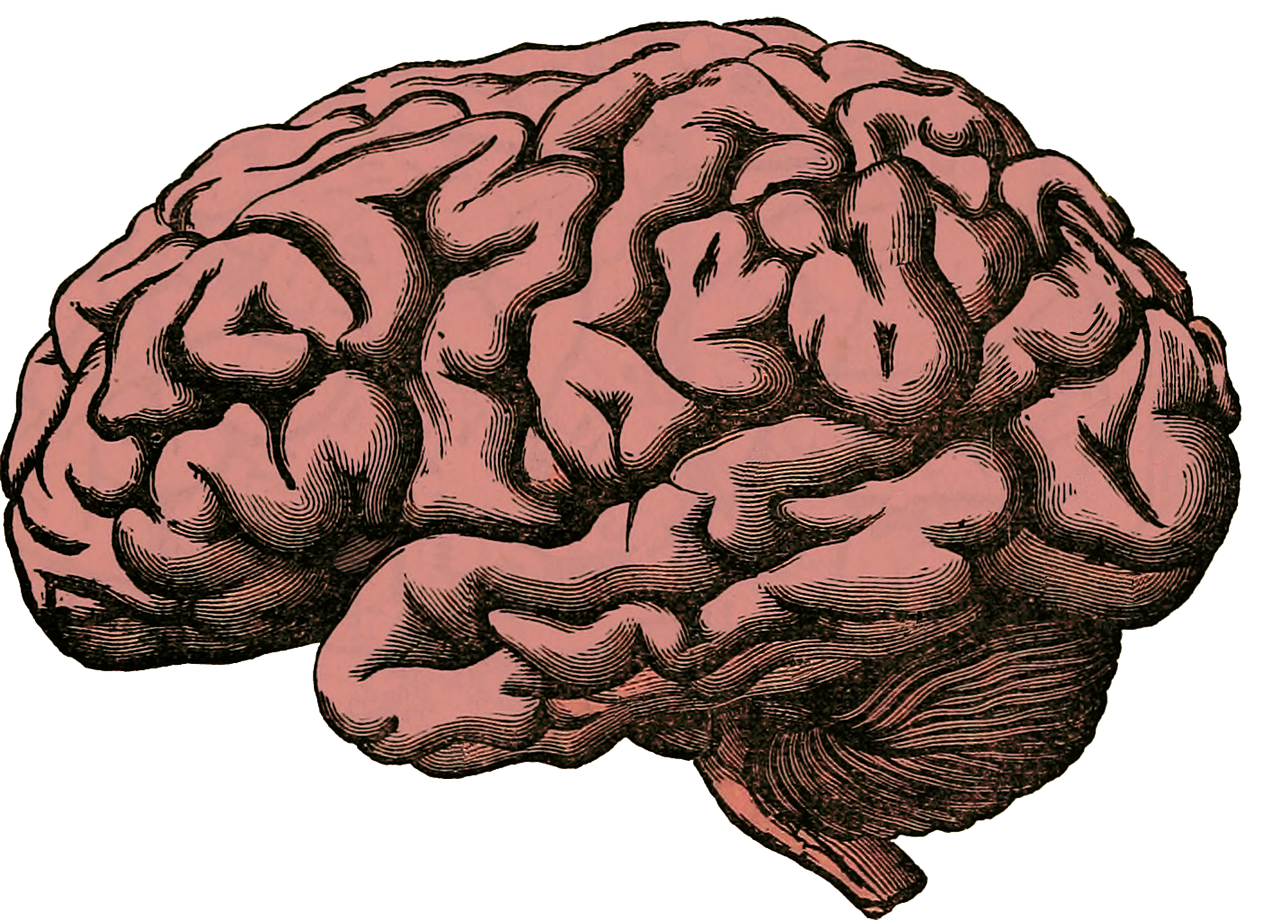
Grade 1 (Low-Grade or Benign): These tumors are the least aggressive and often slow-growing. They tend to have well-defined borders and are less likely to invade surrounding brain tissue. Surgery is often curative for Grade 1 tumors.
Grade 2 (Low-Grade or Benign): Grade 2 tumors are still relatively slow-growing, but they may have less well-defined borders and a higher likelihood of recurrence. Some Grade 2 tumors can progress to higher grades over time.
Grade 3 (Anaplastic): Grade 3 tumors are more malignant and faster-growing than Grades 1 and 2. They often have irregular borders and a higher chance of invading surrounding brain tissue. Treatment typically involves a combination of surgery, radiation, and chemotherapy.
Grade 4 (Glioblastoma Multiform): Grade 4 tumours are the most aggressive and malignant. They grow rapidly and have a high tendency to invade nearby brain tissue. Glioblastoma multiforme is the most common type of Grade 4 brain tumor and is associated with a poor prognosis. Treatment usually includes surgery, radiation therapy, and chemotherapy.
Staging is not as commonly used for primary brain tumors as it is for other types of cancer, like breast or lung cancer, where tumor size and the extent of lymph node involvement are critical factors in determining the stage. Instead, grading (as described above) and the specific location of the tumor within the brain are often more important in guiding treatment decisions for brain cancer.
In addition to the tumor grade, other factors such as the patient’s age, overall health, and the presence of genetic mutations in the tumor can influence the treatment plan and prognosis. It’s essential to work closely with a medical team, including neurosurgeons, oncologists, and radiation therapists, to determine the most appropriate treatment approach based on the specific characteristics of the brain tumor.
Assessment for brain cancer :
The assessment for brain cancer typically involves a combination of medical history, physical examination, imaging studies, and, in some cases, a biopsy. Here’s a step-by-step guide to the assessment process for brain cancer:
1. Medical History:
– The assessment begins with a detailed medical history. The doctor will ask questions about your symptoms, their duration, and any changes in your health or cognitive function.
2. Physical Examination:
– A thorough neurological examination is performed to assess your reflexes, coordination, muscle strength, sensory function, and cognitive abilities. Any neurological deficits are carefully noted.
3. Imaging Studies:
– Brain cancer is often diagnosed through various imaging techniques, which can help identify the location, size, and characteristics of the tumor. Common imaging studies include:
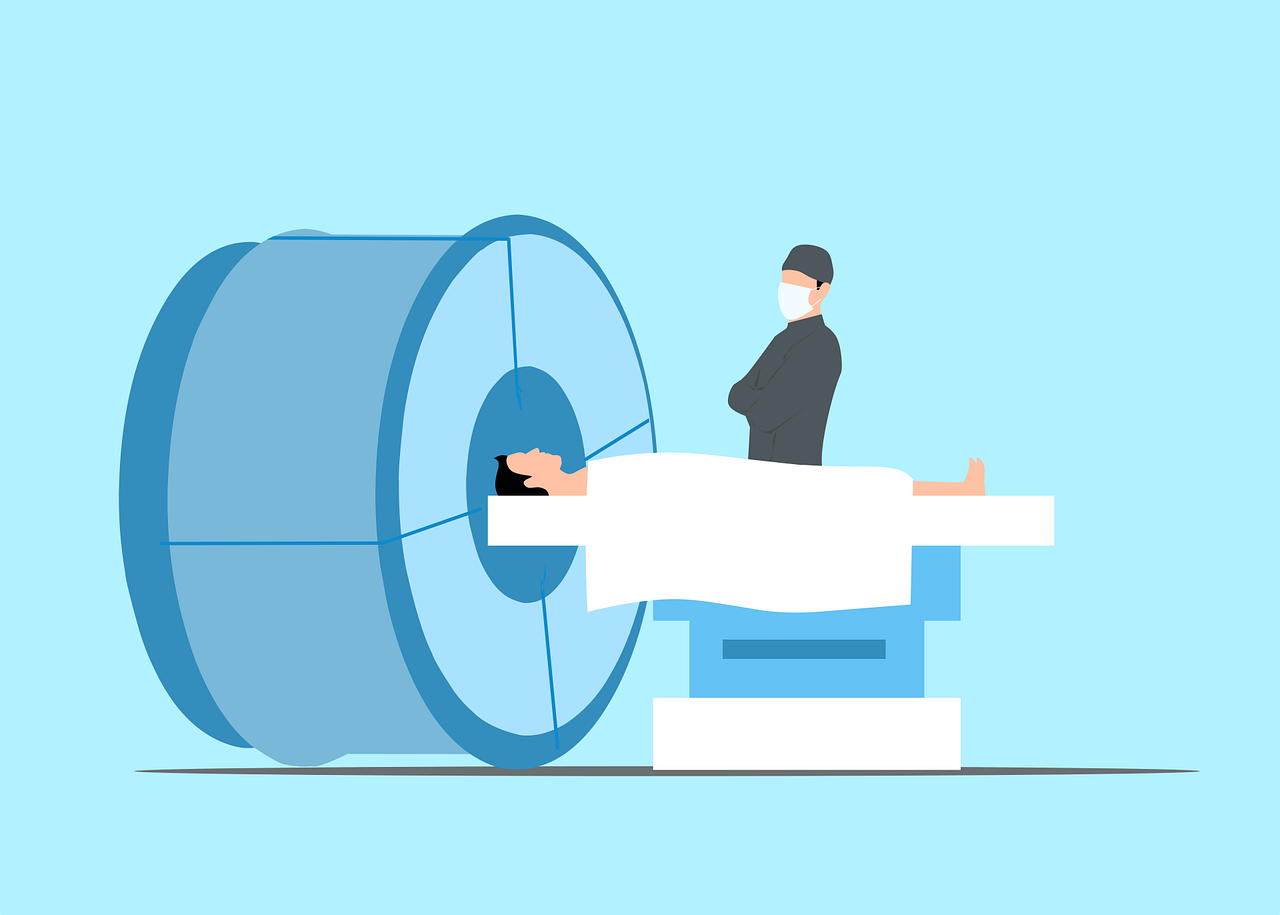
- Magnetic Resonance Imaging (MRI): Provides detailed images of the brain and is particularly useful for visualizing brain tumors.
- Computed Tomography (CT) Scan: Offers a quick overview of the brain and can detect abnormalities.
- Positron Emission Tomography (PET) Scan: Measures the metabolic activity of brain tissue and helps determine tumor aggressiveness.
- Magnetic Resonance Spectroscopy (MRS): Provides information about the chemical composition of brain tissue and can help differentiate between normal tissue and tumor.
- Functional MRI (fMRI): Maps brain activity to determine the impact of the tumor on specific functions.
4. Biopsy:
– In many cases, a definitive diagnosis of brain cancer requires a tissue sample. A surgical biopsy is the most common method. A neurosurgeon may perform a craniotomy (surgical opening of the skull) to remove a small piece of the tumor. The tissue is then examined under a microscope to determine the tumor type, grade, and specific genetic characteristics. Biopsies may also be guided by imaging, such as stereotactic biopsy, to target specific areas within the brain.
5. Cerebrospinal Fluid Analysis:
– In some cases, particularly if there’s suspicion of cancer spreading to the spinal cord, a sample of cerebrospinal fluid may be obtained through a lumbar puncture (spinal tap) and analyzed for the presence of cancer cells.
6. Genetic Testing:
– Genetic testing of the tumor tissue may be performed to identify specific genetic mutations or alterations that can guide treatment decisions. Some brain tumors have targeted therapies available based on their genetic characteristics.
Once the assessment is complete, the healthcare team will use the gathered information to make a diagnosis, determine the stage or grade of the tumor, and create an individualized treatment plan. Treatment options can include surgery, radiation therapy, chemotherapy, targeted therapy, and immunotherapy, and the specific treatment plan will depend on the type and stage of the brain cancer, as well as the patient’s overall health and preferences. It’s crucial to work closely with a multidisciplinary team of healthcare professionals to develop the most appropriate and effective treatment strategy.
Types Of Surgeries in Brain Tumour:
Surgery is a common and often crucial treatment for brain tumors. The specific type of surgery used depends on the location, size, type, and grade of the brain tumor. Here are some common types of surgeries for brain tumors:

1. Craniotomy: A craniotomy is the most common surgical procedure for brain tumors. It involves making an incision in the scalp and removing a portion of the skull (bone flap) to access the brain. Once the tumor is exposed, the neurosurgeon can remove as much of the tumor as possible while minimizing damage to healthy brain tissue. After tumor removal, the bone flap is typically replaced and secured with plates and screws.
2. Transsphenoidal Surgery: This type of surgery is used for tumors located near the base of the skull, particularly in the pituitary gland and other structures in the sellar and parasellar regions. The surgeon accesses the tumor through the nose and sphenoid bone, eliminating the need for a traditional craniotomy.
3. Endoscopic Surgery: Endoscopic surgery involves the use of a thin, flexible tube (endoscope) with a camera and light on the end to access and remove tumors in difficult-to-reach or deep brain areas. It is less invasive than traditional craniotomy and often results in smaller incisions and faster recovery.
4. Stereotactic Biopsy: If the tumor is in a critical or hard-to-reach location, a stereotactic biopsy may be performed. This procedure uses imaging (e.g., MRI or CT scans) to precisely target and obtain a tissue sample from the tumor for diagnosis. It doesn’t involve tumor removal but provides essential information about the tumor type.
5. Shunt Placement: Some brain tumors can cause an accumulation of cerebrospinal fluid (CSF), leading to increased intracranial pressure. In such cases, a surgeon may implant a shunt, a thin tube that helps drain excess CSF from the brain to another part of the body, typically the abdominal cavity.
6. Laser Interstitial Thermal Therapy (LITT): LITT is a minimally invasive procedure that uses a laser to heat and destroy tumor tissue. It is often used for small, deep-seated brain tumors and can be guided by MRI imaging.
7. Awake Brain Surgery: In certain cases, neurosurgeons perform awake brain surgery, particularly when the tumor is near critical areas responsible for functions like speech, motor control, or vision. The patient is awake during the procedure to interact with the surgical team and help identify important brain structures, minimizing the risk of damage to vital functions.
The choice of surgical approach depends on the specifics of the tumor and the patient’s overall health. Neurosurgeons work closely with a multidisciplinary team, including oncologists and radiation therapists, to develop the most effective treatment plan. In some cases, surgery may be combined with other treatments such as radiation therapy or chemotherapy to achieve the best possible outcome for the patient.
Therapies After Brain Surgery :
The therapies prescribed after the surgical removal of a brain tumor can vary widely based on factors such as the type of tumor, the extent of resection, the tumor’s grade or stage, and the patient’s overall health. These therapies are designed to target any remaining tumor cells, prevent recurrence, manage symptoms, and support the patient’s recovery. Here are some common therapies that may be recommended after brain tumor surgery:

1. Radiation Therapy:
– Radiation therapy uses high-energy X-rays or other forms of radiation to target and destroy any remaining tumor cells in the brain. It is often used after surgery, especially if the tumor is malignant or if complete removal wasn’t possible. The radiation can be delivered externally (external beam radiation) or internally (brachytherapy).
2. Chemotherapy:
– Chemotherapy involves the use of drugs to kill cancer cells. It can be administered orally, intravenously, or directly into the cerebrospinal fluid. Chemotherapy may be recommended for certain types of brain tumors, either alone or in combination with radiation therapy.
3. Targeted Therapy:
– Some brain tumors have specific genetic mutations or markers that can be targeted with specific drugs. Targeted therapy is designed to inhibit the growth of tumor cells while sparing healthy tissue. It is often used in combination with other treatments.
4. Immunotherapy:
– Immunotherapy is an emerging treatment approach that aims to stimulate the patient’s immune system to recognize and attack cancer cells. Clinical trials are ongoing to assess the effectiveness of immunotherapy for various brain tumors.
5. Supportive Care:
– Supportive care measures are essential to help manage symptoms, side effects of treatment, and maintain the patient’s quality of life. This may include medications to control pain, manage seizures, reduce swelling, and address other neurological symptoms.
6. Physical and Occupational Therapy:
– Rehabilitation, including physical and occupational therapy, may be necessary to help patients regain and improve their motor skills, coordination, and overall function. This is particularly important if the surgery affected areas of the brain controlling movement and daily activities.
7. Speech and Language Therapy:
– If the brain tumor or its surgical removal impacts language or speech function, speech and language therapy can be beneficial in regaining and improving communication skills.
8. Cognitive Rehabilitation:
– For individuals who experience cognitive impairments following brain surgery, cognitive rehabilitation can help enhance memory, attention, and other cognitive abilities.
9. Psychosocial Support and Counseling:
– Coping with a brain tumor diagnosis and its treatment can be emotionally challenging. Patients and their families may benefit from counseling, support groups, or mental health services to address psychological and emotional needs.
10. Follow-Up Monitoring: Regular follow-up appointments, including imaging studies (e.g., MRI or CT scans), are important to monitor for any signs of tumor recurrence and assess treatment response.
Treatment plans are highly individualized and should be developed in consultation with a multidisciplinary team of healthcare professionals, including neurosurgeons, oncologists, and rehabilitation specialists. The choice of therapies will depend on the specific characteristics of the tumor and the patient’s unique circumstances.
Mental Support By The Family:
Providing mental support to a family member or loved one who is diagnosed with brain cancer is crucial in helping them navigate the physical, emotional, and psychological challenges that come with the disease. Here are some ways in which family members can offer support to a brain cancer patient:
1. Open Communication: Encourage open and honest communication. Allow the patient to express their fears, concerns, and emotions without judgment. Be a good listener, and try to understand their perspective.
2. Empathy and Understanding: Show empathy and understanding for what the patient is going through. Acknowledge their feelings and experiences, and validate their emotions.
3. Accompany Them to Medical Appointments: Offer to accompany the patient to medical appointments and take notes during discussions with healthcare providers. This can help ensure the patient understands their treatment plan and feels supported.
4. Assist with Daily Tasks: Assist with daily tasks, especially during the recovery period after surgery or during treatment. This can include helping with cooking, cleaning, transportation to medical appointments, and running errands.
5. Emotional Support: Offer emotional support through comforting words, physical presence, and gestures of affection. Sometimes, just being there can provide comfort and reassurance.
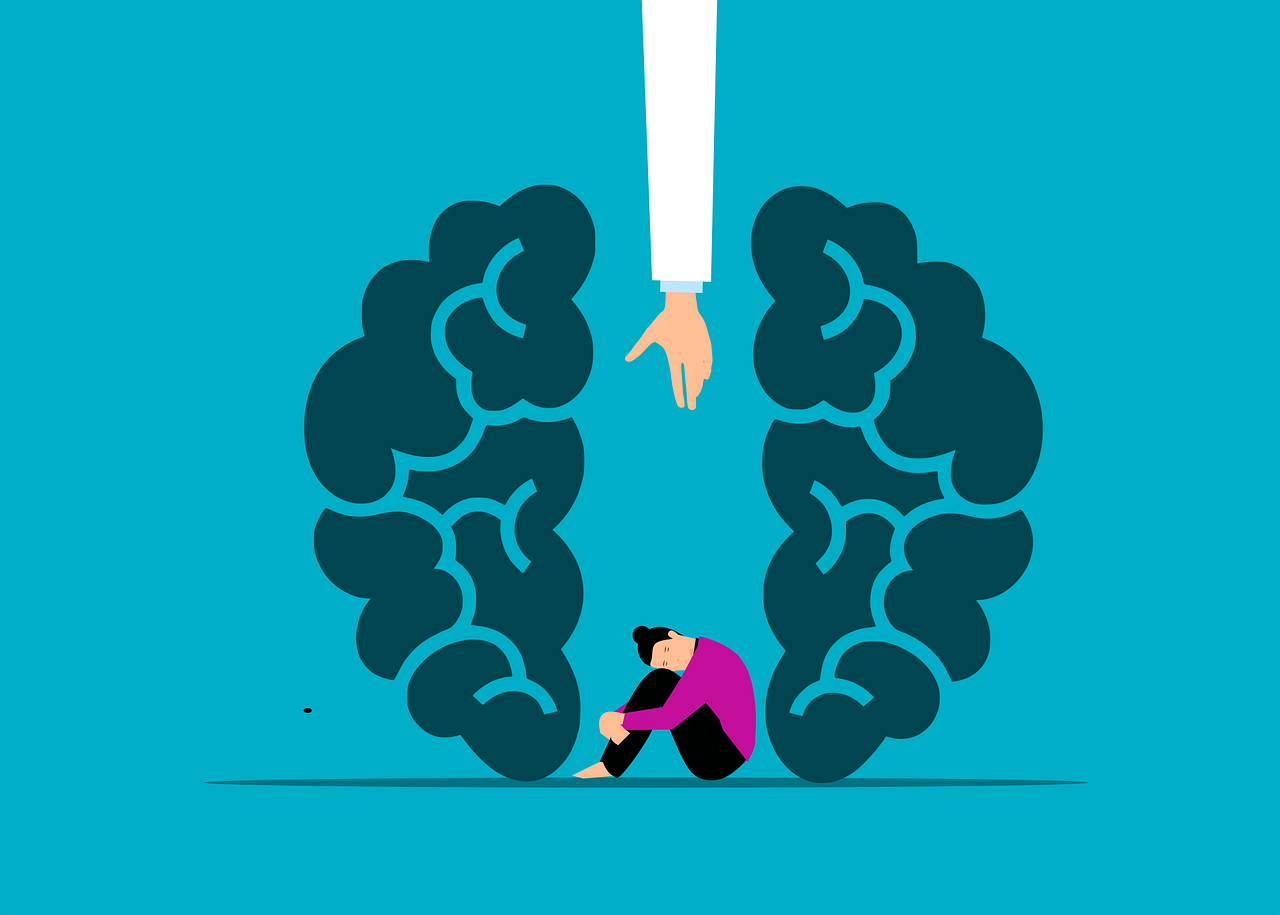
6. Respect Autonomy: While providing support, also respect the patient’s autonomy. Allow them to make decisions about their treatment and care, even if you have concerns. Encourage their independence and choices.
7. Educate Yourself: Take the time to educate yourself about brain cancer, its treatments, and potential side effects. This knowledge will help you provide better support and answer any questions the patient may have.
8. Support Group Participation: Encourage the patient to consider joining a brain cancer support group. These groups can provide a sense of community and an opportunity to share experiences with others who are going through similar challenges.
9. Manage Stress: Caring for a loved one with a serious illness can be emotionally taxing. Ensure you are taking care of your own physical and emotional needs. Seek support and counseling if necessary, and consider respite care options to give yourself a break when needed.
10. Help with Decision-Making: Brain cancer treatment often involves complex decisions. Be a supportive partner in the decision-making process, helping the patient gather information and consider treatment options.
11. Create a Positive Environment: Promote a positive and uplifting environment at home. Decorate their space with things that make them happy and comfortable.
12. Celebrate Small Achievements: Celebrate small milestones and achievements in the patient’s treatment and recovery journey. These celebrations can boost morale and provide a sense of progress.
13. Encourage Mental and Emotional Well-Being: Encourage the patient to engage in activities that promote mental and emotional well-being, such as mindfulness, relaxation exercises, and hobbies they enjoy.
14. Provide Reassurance: Offer reassurance and support during challenging moments. Let them know you are there for them no matter what.
Remember that every patient’s needs and preferences are unique. It’s important to have open and ongoing discussions with the patient about the type of support they need and respect their wishes. Your support can make a significant difference in the patient’s journey through brain cancer, providing comfort and strength during a challenging time.
1 thought on ““Battling Brain Cancer: Understanding, Treatment, and Support””