
Diabetes Patients & Indian Diet
Managing diabetes levels is crucial for individuals with diabetes in India or anywhere else. While I’m not a doctor, I can provide you with information on five dietary approaches that are often recommended for people with diabetes. However, it’s essential to consult with a healthcare professional or a registered dietitian to create a personalized plan that suits your specific needs. Here are five dietary approaches that may be suitable for people with diabetes in India:
1. Low-Carbohydrate Diet :
Limiting the intake of carbohydrates, especially refined grains and sugars, can help regulate blood sugar levels. Focus on whole grains, such as brown rice and whole wheat roti (Indian bread), and include non-starchy vegetables, lean protein sources, and healthy fats in your meals.
2. Mediterranean Diet :
This diet emphasizes whole foods like olive oil, nuts, seeds, whole grains, and a variety of fruits and vegetables. It also includes moderate consumption of fish, lean proteins, and limited processed foods. Olive oil can replace ghee or other cooking oils, and herbs and spices can be used to add flavor without added sugars.
3. Low-Glycemic Index Diet :
Foods with a low glycemic index (GI) are digested and absorbed more slowly, which helps stabilize blood sugar levels. Include foods like lentils, chickpeas, beans, and non-starchy vegetables in your diet. Avoid high-GI foods like white rice, sugary cereals, and sweets.
4. Vegetarian or Vegan Diet :
Plant-based diets can be suitable for people with diabetes, as they are often high in fiber and low in saturated fats. Incorporate plenty of legumes, whole grains, fruits, and vegetables. Pay attention to protein sources, and consider foods like tofu, tempeh, or legumes for protein.
5. Portion Control :
Regardless of the specific diet you choose, managing portion sizes is essential. Indian cuisine can sometimes be high in carbohydrates and calories. Consider using smaller plates and being mindful of portion sizes to prevent overeating.
In addition to these dietary approaches, consider these general tips for managing diabetes in India:
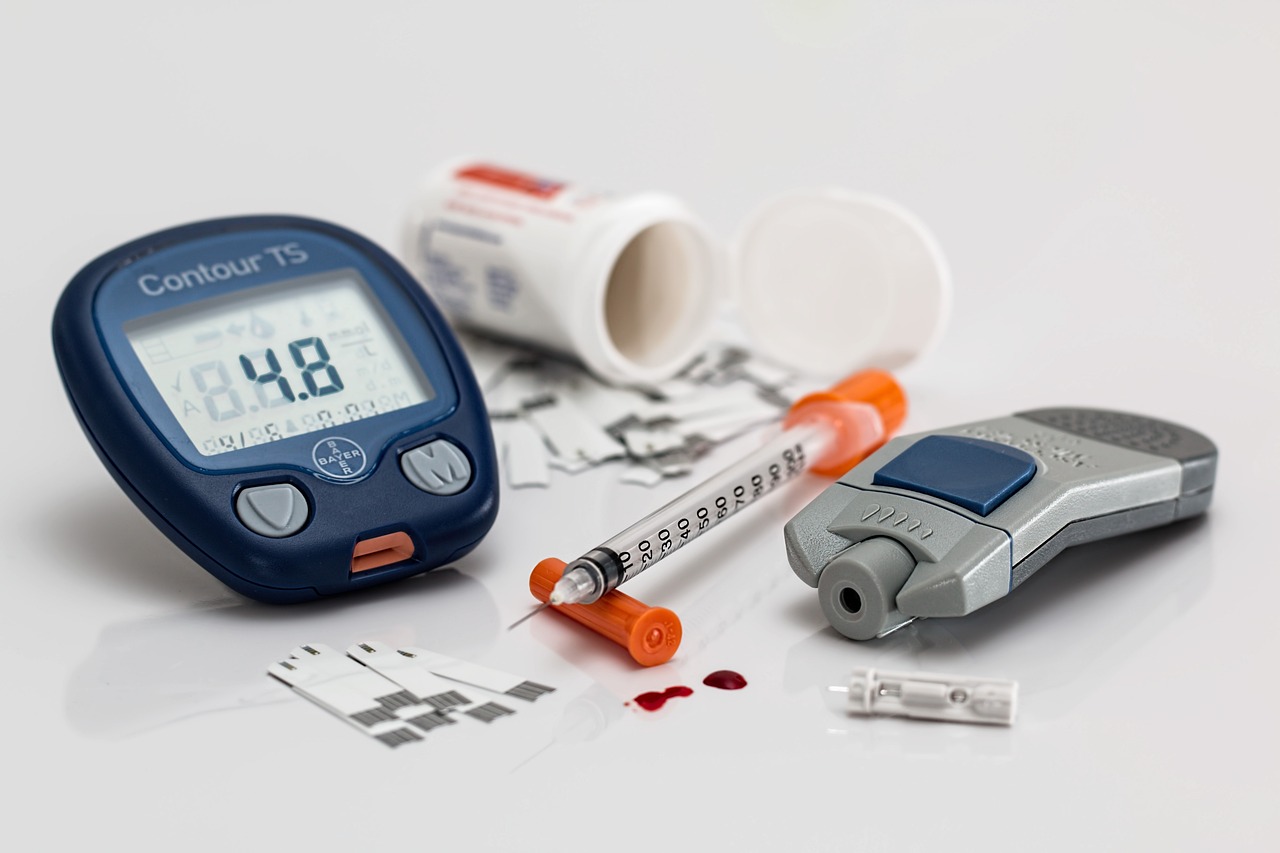
– Monitor your blood sugar levels regularly as recommended by your healthcare provider.
– Include regular physical activity in your daily routine.
– Stay hydrated, especially in hot climates.
– Limit consumption of sweets, sugary beverages, and snacks.
– Be mindful of hidden sugars in processed foods and Indian sweets.
– Aim for a well-balanced diet that includes a variety of foods to ensure you get all essential nutrients.
Remember that individual dietary needs may vary based on the type of diabetes (Type 1 or Type 2), age, activity level, and other factors. It’s vital to work with a healthcare professional or a registered dietitian who can provide personalized guidance and support for managing your diabetes effectively. Click Here!
5 Indian Recipes For Diabetes Patients
Certainly, here are five diabetes-friendly recipes for individuals in India. These recipes are designed to help control blood sugar levels while still being delicious and in line with traditional Indian flavors:
1. Methi (Fenugreek) Paratha :
Ingredients:
– Whole wheat flour
– Fresh fenugreek leaves (methi)
– Cumin seeds
– Turmeric
– Salt
– Water
Method:
– Mix whole wheat flour with fresh fenugreek leaves, cumin seeds, turmeric, and a pinch of salt.
– Add water gradually to form a soft dough.
– Roll out the dough into thin parathas and cook them on a non-stick pan without using much oil.
2. Masoor Dal (Red Lentil) Soup :
Ingredients:
– Masoor dal (red lentils)
– Onions
– Tomatoes
– Garlic
– Ginger
– Turmeric
– Cumin seeds
– Coriander
– Salt
Method:
– Cook masoor dal with water, turmeric, and salt until soft.
– In a separate pan, sauté chopped onions, garlic, ginger, and cumin seeds.
– Add diced tomatoes and cook until they are soft.
– Mix the cooked dal with the tomato mixture.
– Garnish with fresh coriander.
3. Palak (Spinach) and Paneer (Cottage Cheese) Stir-Fry:
Ingredients:
– Fresh spinach
– Paneer (cottage cheese)
– Garlic
– Cumin seeds
– Turmeric
– Salt
Method:
– Blanch the spinach in boiling water, then chop finely.
– Sauté paneer cubes with cumin seeds and a pinch of turmeric.
– Add chopped garlic and spinach.
– Cook until the spinach is tender.
4. Bhindi (Okra) Masala:
Ingredients:
– Bhindi (okra)
– Onions
– Tomatoes
– Cumin seeds
– Turmeric
– Coriander
– Salt
Method:
– Cut okra into small pieces and sauté them in a pan until they are slightly crispy.
– In a separate pan, sauté onions and cumin seeds until the onions are golden brown.
– Add diced tomatoes and cook until they are soft.
– Mix the cooked okra with the tomato mixture.
– Season with turmeric, coriander, and salt.
5. Quinoa and Vegetable Pulao:
Ingredients:
– Quinoa
– Assorted vegetables (e.g., carrots, peas, bell peppers)
– Onions
– Garlic
– Cumin seeds
– Turmeric
– Garam masala
– Salt
Method:
– Sauté onions and garlic with cumin seeds in a little oil.
– Add diced vegetables and cook until slightly tender.
– Stir in quinoa, turmeric, and garam masala.
– Cook with water until quinoa is fluffy and vegetables are cooked.
These recipes are designed to be low in added sugars and incorporate ingredients that can help stabilize blood sugar levels. However, it’s essential to monitor portion sizes and consult with a healthcare professional or dietitian to tailor these recipes to your specific dietary needs and preferences.
Diabetes : a chronic medical condition
Diabetes is a chronic medical condition characterized by elevated levels of blood sugar (glucose). It affects millions of people worldwide and has become a global health concern. There are primarily two common types of diabetes:
1. Type 1 Diabetes : Often diagnosed in childhood or early adulthood, it results from the immune system mistakenly attacking and destroying insulin-producing cells in the pancreas. People with Type 1 diabetes rely on insulin injections or an insulin pump to manage their blood sugar levels.
2. Type 2 Diabetes : This form is more common and typically develops in adulthood, although it’s increasingly affecting younger individuals due to lifestyle factors. It is characterized by the body’s inability to use insulin effectively and often associated with obesity and a sedentary lifestyle. Management involves dietary changes, exercise, oral medications, and sometimes insulin.
Uncontrolled diabetes can lead to a range of health complications, including heart disease, kidney problems, nerve damage, vision loss, and slow wound healing. Therefore, it is crucial to monitor blood sugar levels, adopt a healthy lifestyle, and adhere to prescribed medications to manage the condition effectively.
Prevention and early detection are key to combating diabetes. Lifestyle modifications, such as maintaining a balanced diet, regular physical activity, and weight management, can significantly reduce the risk of Type 2 diabetes. Routine check-ups, especially for individuals with a family history or other risk factors, can help catch and manage diabetes in its early stages. Diabetes is a condition that can be managed with proper care, allowing individuals to lead full and healthy lives.
I want to express my deepest gratitude to the site owner for publishing this excellent piece of writing on their site.