Mental Health and Relationships
“Mental health and relationships are intimately intertwined, Emotions, communication, and empathy combined. Good mental health fosters connection and trust, While challenges can strain bonds, it’s a must, To support one another, be kind and aware, In nurturing both, strong relationships we can share.”

Impact of mental health on personal relationships – How to support a loved one’s mental health?
Mental health has a significant impact on personal relationships, as it can influence how individuals communicate, connect, and interact with their loved ones. When someone is experiencing mental health challenges, it can strain relationships, but with understanding and support, these challenges can be managed. Here’s an overview of the impact of mental health on personal relationships and how to support a loved one’s mental health: read more

Impact of Mental Health on Personal Relationships:
1. Communication Issues: Mental health challenges can affect a person’s ability to communicate effectively. They may struggle to express their thoughts and feelings or may withdraw from conversations altogether.
2. Emotional Intimacy: Mental health issues can disrupt emotional intimacy within relationships. Individuals may find it difficult to open up, be vulnerable, or connect emotionally with their loved ones.
3. Mood Swings: Conditions like depression or bipolar disorder can lead to mood swings that impact the dynamics of a relationship. It can be challenging for both partners to navigate these emotional fluctuations.
4. Increased Conflict: Stress, anxiety, and other mental health challenges can lead to heightened irritability and conflict within relationships. Small disagreements may escalate into larger disputes.
5. Social Isolation: People experiencing mental health issues may withdraw from social activities and isolate themselves from friends and family. This can strain relationships and lead to feelings of loneliness and abandonment in loved ones.
6. Caretaker Fatigue:Family members or partners often take on the role of caregivers, which can lead to caregiver fatigue or burnout. This can further complicate relationships.
How to Support a Loved One’s Mental Health:

1. Educate Yourself: Learn about your loved one’s specific mental health condition to gain a better understanding of what they are going through. Knowledge can reduce stigma and foster empathy.
2. Active Listening: Be a good listener. Encourage your loved one to express their feelings without judgment. Sometimes, simply being heard can provide significant relief.
3. Empathize and Validate: Offer empathy and validation for their experiences. Let them know that their feelings are valid and that you’re there to support them.
4. Respect Boundaries: Recognize that your loved one may need space at times. Respect their boundaries while maintaining your presence and willingness to help when they are ready.
5. Encourage Professional Help: Encourage your loved one to seek professional help if they haven’t already. Offer to help them find a therapist, counselor, or psychiatrist, and even accompany them to appointments if they’re comfortable.
6. Participate in Treatment: If appropriate, involve yourself in their treatment plan. Attend therapy sessions or doctor’s appointments together to show your support and commitment to their well-being.
7. Avoid Stigmatizing Language: Be mindful of the language you use and avoid stigmatizing or judgmental remarks about mental health. Promote a safe and nonjudgmental environment for open discussions.
8. Promote Self-Care: Encourage self-care practices, such as regular exercise, a balanced diet, sufficient sleep, and stress-reduction techniques. Offer to engage in these activities together.
9. Seek Support for Yourself: Caring for someone with mental health challenges can be emotionally taxing. Don’t hesitate to seek support for yourself, whether through therapy, support groups, or talking to friends and family.
10. Patience and Persistence: Mental health recovery is often a gradual process. Be patient, and recognize that setbacks may occur. Your ongoing support and persistence can make a significant difference.
11. Crisis Management: If your loved one is in crisis or at risk of self-harm or harm to others, seek immediate professional help or contact emergency services.
Remember that supporting a loved one’s mental health is an ongoing journey. Your presence, understanding, and encouragement can be incredibly impactful in their recovery process and in maintaining strong, supportive personal relationships.
Common Mental Health Challenges
Mental health challenges are common and can affect individuals of all ages, backgrounds, and walks of life. These challenges encompass a wide range of conditions and issues that impact an individual’s emotional, psychological, and social well-being. It’s important to recognize and understand these common mental health challenges to provide support, reduce stigma, and seek appropriate treatment when needed. Here are some of the most prevalent mental health challenges:
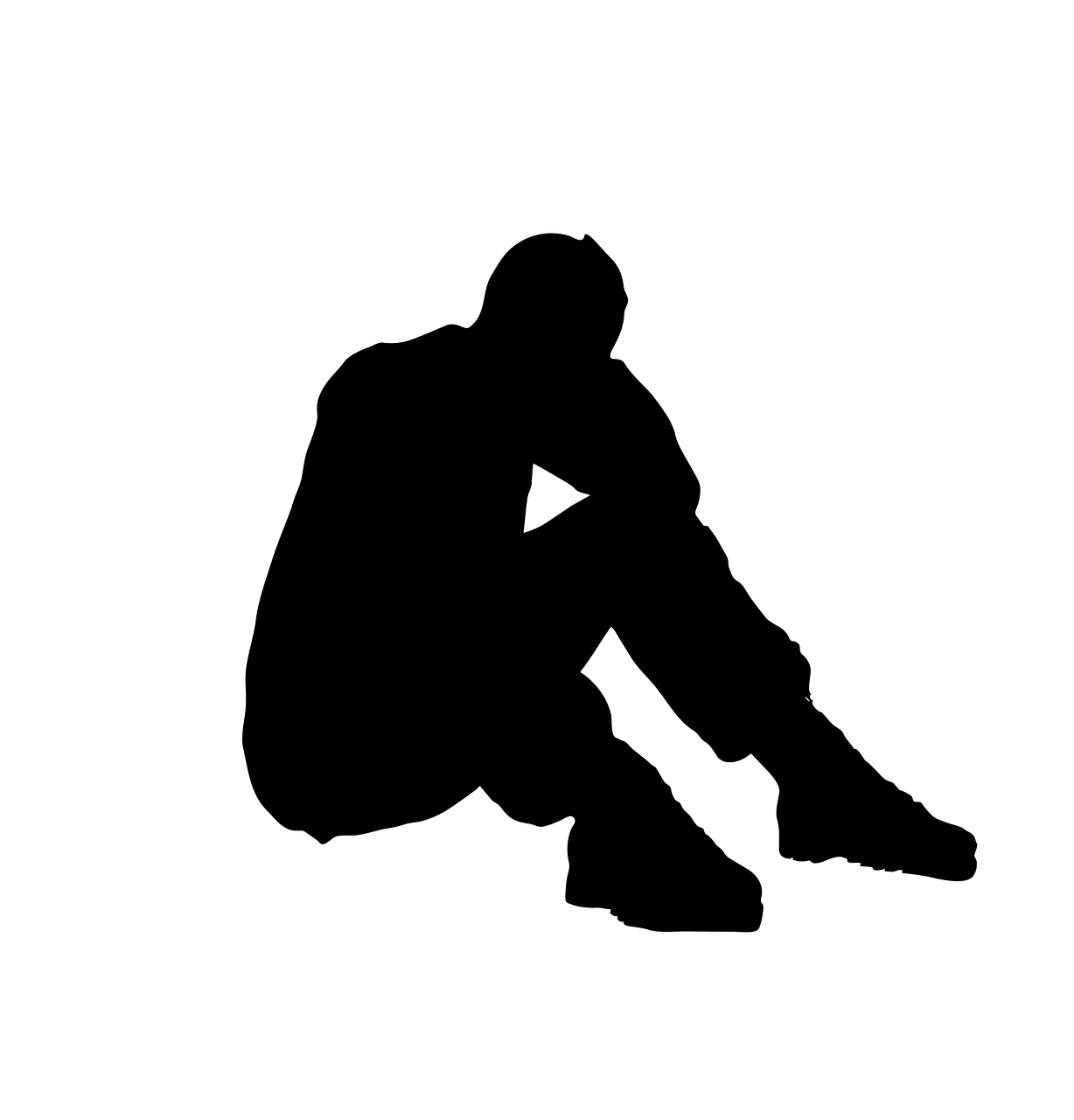
- Depression:
Depression is characterized by persistent feelings of sadness, hopelessness, and a lack of interest or pleasure in activities. It often includes physical symptoms such as changes in appetite and sleep patterns.
– Symptoms: Fatigue, changes in appetite, sleep disturbances, feelings of worthlessness or guilt, difficulty concentrating, and thoughts of self-harm or suicide.
– Treatment: Treatment may include psychotherapy (talk therapy), medication, lifestyle changes, and support from loved ones.
- Anxiety Disorders:
Anxiety disorders involve excessive worry, fear, or apprehension that is often out of proportion to the situation. Common anxiety disorders include generalized anxiety disorder (GAD), social anxiety disorder, and panic disorder.
– Symptoms:Restlessness, muscle tension, rapid heartbeat, sweating, trembling, and avoidance of anxiety-inducing situations.
– Treatment: Treatment options include cognitive – behavioral therapy (CBT), medication, relaxation techniques, and exposure therapy.
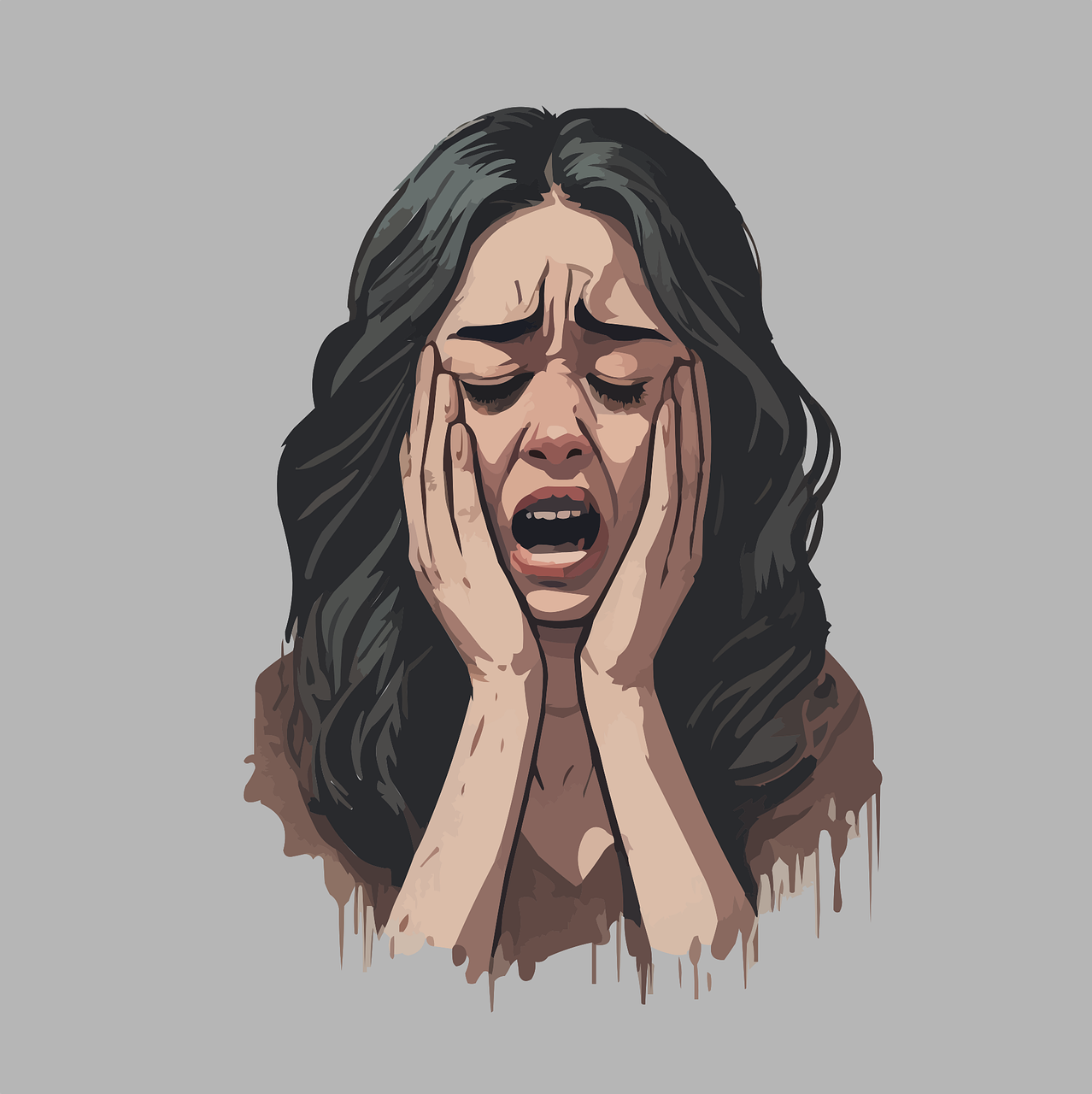
- Stress and Burnout:
Stress is a natural response to challenging situations, but chronic stress and burnout occur when stress becomes overwhelming and prolonged. Burnout often occurs in high-pressure work environments.
– Symptoms: Fatigue, irritability, difficulty concentrating, physical symptoms (headaches, stomachaches), and a sense of emotional exhaustion.
– Treatment: Stress management techniques, setting boundaries, time management, and seeking support can help alleviate stress and prevent burnout.
- Post-Traumatic Stress Disorder (PTSD):
PTSD can develop after exposure to a traumatic event such as war, natural disasters, accidents, or personal assaults. It involves symptoms such as flashbacks, nightmares, and severe anxiety.
– Symptoms: Intrusive memories, avoidance of reminders of the trauma, negative changes in mood and cognition, and heightened arousal.
– Treatment: Trauma-focused therapies like prolonged exposure therapy or eye movement desensitization and reprocessing (EMDR) are often effective, along with medication and support.
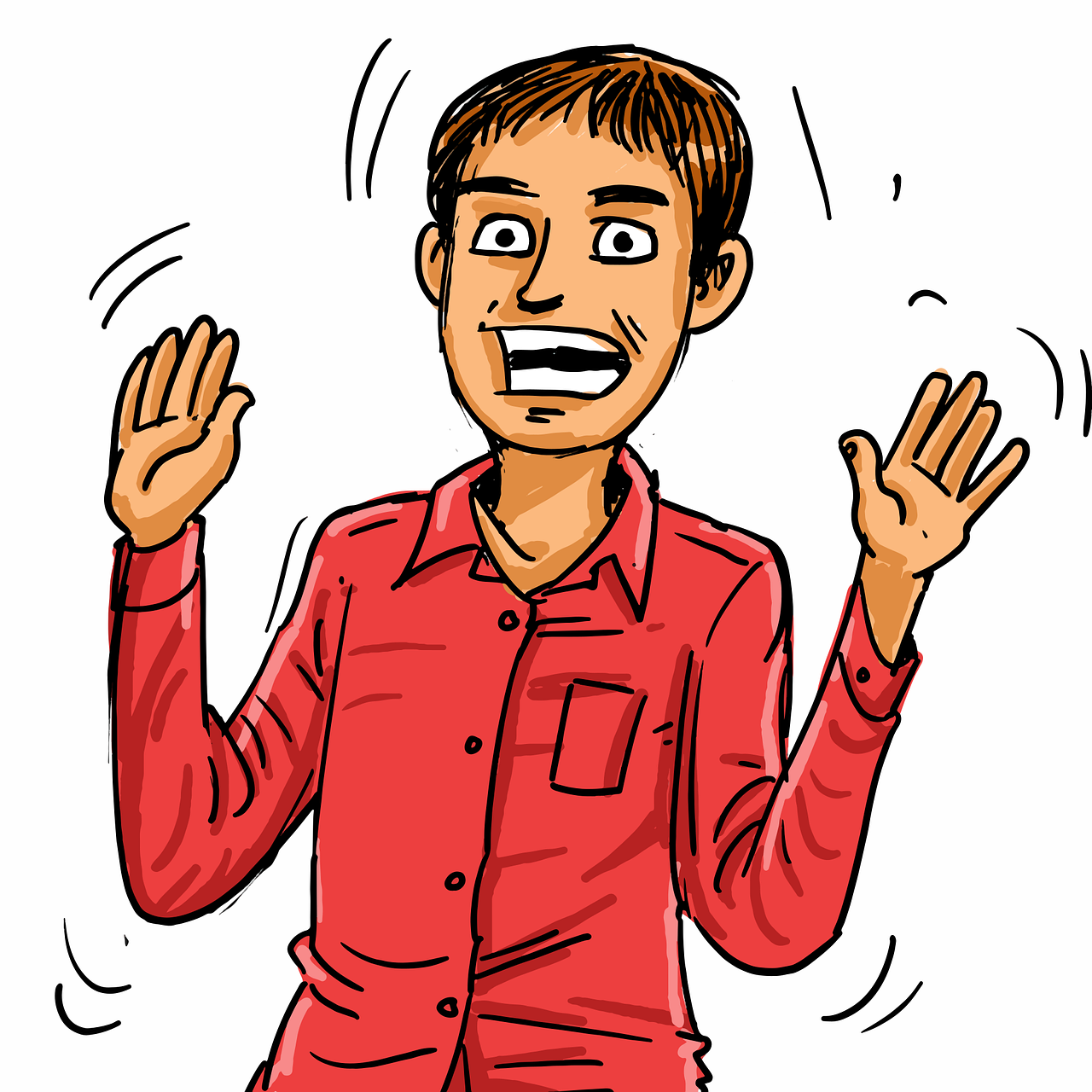
- Bipolar Disorder
Bipolar disorder involves extreme mood swings, cycling between episodes of mania (elevated mood) and depression (low mood). It can significantly impact an individual’s daily life.
– Symptoms: During manic episodes, individuals may have increased energy, impulsivity, and euphoria. During depressive episodes, they experience sadness, fatigue, and low motivation.
– Treatment: Mood stabilizers, psychotherapy, and lifestyle management can help manage bipolar disorder.
- Eating Disorders:
Eating disorders, such as anorexia nervosa, bulimia nervosa, and binge-eating disorder, involve unhealthy relationships with food, body image, and weight control.
– Symptoms: Extreme weight loss or gain, preoccupation with food and body image, secretive eating behaviors, and physical health complications.
– Treatment: Treatment includes psychotherapy, nutritional counseling, medical monitoring, and support from a multidisciplinary team.
- Substance Use Disorders:
Substance use disorders involve the misuse or addiction to substances like alcohol, drugs, or prescription medications.
– Symptoms: Cravings, tolerance, withdrawal symptoms, loss of control over substance use, and negative consequences on physical and mental health.
– Treatment: Treatment may involve detoxification, counseling, support groups, and medication-assisted therapy.

- Attention-Deficit/Hyperactivity Disorder (ADHD):
ADHD is a neurodevelopmental disorder characterized by difficulties with attention, hyperactivity, and impulsivity.
– Symptoms: Inattention, impulsivity, hyperactivity, forgetfulness, and difficulty with organization and time management.
– Treatment: Treatment often includes behavioral therapy, medication, and educational support.
- Obsessive-Compulsive and Related Disorders:
These disorders, including obsessive-compulsive disorder (OCD), involve intrusive, distressing thoughts (obsessions) and repetitive behaviors or mental acts (compulsions) performed to reduce anxiety.
– Symptoms: Obsessions may include fears of contamination, harm, or unwanted thoughts. Compulsions can involve excessive handwashing, checking, or counting.
– Treatment: Cognitive-behavioral therapy, exposure and response prevention (ERP), and medication are common treatments for OCD and related disorders.
- Schizophrenia and Psychotic Disorders:
These disorders involve distorted thinking, hallucinations, delusions, and disruptions in thought processes. Schizophrenia is the most well-known psychotic disorder.
– Symptoms: Hallucinations, delusions, disorganized speech, and impaired cognitive functioning.
– Treatment: Treatment includes antipsychotic medications, psychotherapy, and support services.
It’s important to note that mental health challenges can vary in severity, and individuals may experience multiple conditions simultaneously. Early recognition, intervention, and support are crucial for improving outcomes for those affected by these common mental health challenges. If you or someone you know is struggling with a mental health issue, seeking help from a mental health professional is a critical step toward recovery and well-being.
Stress Management – Stress-reduction techniques and lifestyle changes.

Stress-reduction techniques and lifestyle changes are essential tools for managing and mitigating the negative impact of stress on your mental and physical well-being. Here are some effective strategies to help you reduce stress:
1. Regular Exercise: Engage in physical activity like walking, jogging, yoga, or dancing. Exercise releases endorphins, which are natural mood lifters and stress reducers.
2. Deep Breathing: Practice deep breathing exercises to calm your nervous system. Techniques like diaphragmatic breathing or mindfulness meditation can be very effective.
3. Progressive Muscle Relaxation: Learn to systematically relax your muscles, starting from your toes and working up to your head. This technique can help release physical tension.
4. Mindfulness and Meditation: Mindfulness practices promote awareness of the present moment, reducing anxiety about the future or regrets about the past. Regular meditation can enhance your ability to manage stress.
5. Adequate Sleep: Prioritize quality sleep by establishing a regular sleep schedule and creating a relaxing bedtime routine. Lack of sleep can exacerbate stress.
6. Healthy Diet: Eat a balanced diet rich in fruits, vegetables, whole grains, and lean proteins. Avoid excessive caffeine and sugar, as they can contribute to stress and mood swings.
7. Limit Stimulants and Alcohol: Reduce or eliminate consumption of stimulants like caffeine and minimize alcohol intake, as they can increase stress and anxiety.
8. Time Management: Organize your tasks and responsibilities by creating to-do lists and setting realistic goals. Avoid overloading your schedule.
9. Social Support: Seek support from friends, family, or support groups. Sharing your feelings and experiences can alleviate stress and provide perspective.
10. Hobbies and Relaxation Activities: Engage in hobbies or activities that you enjoy, whether it’s reading, gardening, painting, or playing a musical instrument. These activities provide an outlet for stress relief.
11. Set Boundaries: Establish clear boundaries between work and personal life. Avoid overextending yourself and learn to say no when necessary.

12. Practice Gratitude: Focus on the positive aspects of your life by keeping a gratitude journal. Reflecting on what you’re thankful for can reduce stress.
13. Spend Time in Nature: Spending time outdoors, even for a short walk in a park, can have a calming and stress-reducing effect.
14. Seek Professional Help: If stress becomes overwhelming or persistent, consider seeking support from a therapist or counselor who can provide coping strategies and tools to manage stress effectively.
15. Limit Screen Time: Reduce exposure to screens, particularly before bedtime. The blue light from screens can interfere with sleep and increase stress levels.
16. Practice Time Management: Prioritize tasks, set achievable goals, and delegate when possible to reduce feelings of overwhelm and stress.
17. Mindful Breathing: Incorporate mindful breathing exercises into your daily routine. Take short breaks to focus on your breath and bring your attention back to the present moment.
18. Limit News Consumption: Excessive exposure to distressing news can contribute to stress. Set boundaries on the amount of news you consume and choose reliable sources for information.
Remember that stress-reduction techniques and lifestyle changes are not one-size-fits-all. It may take time to find the strategies that work best for you, so be patient and consistent in your efforts to manage stress and promote your overall well-being.
Trauma and Post-Traumatic Stress Disorder (PTSD)
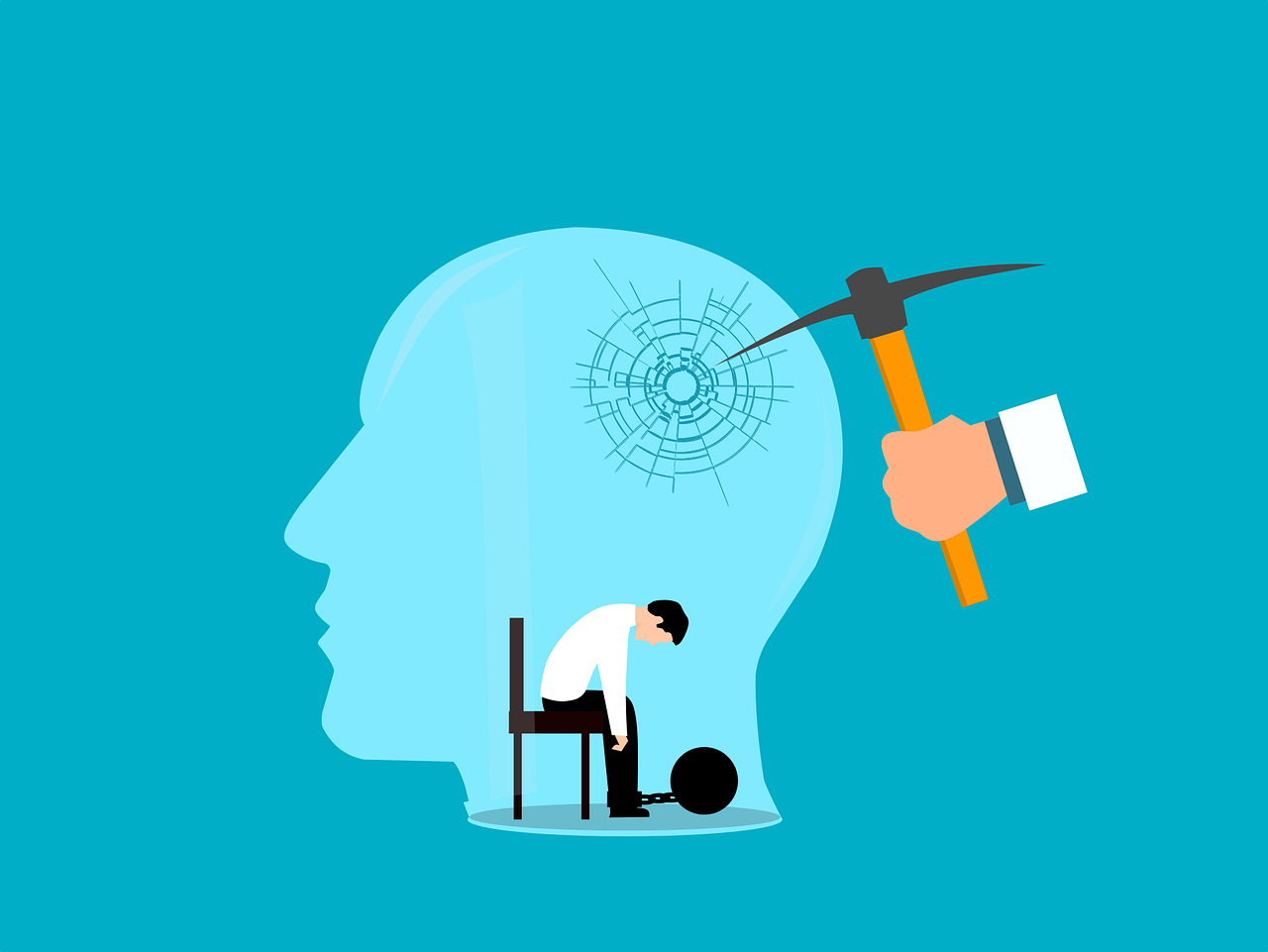
Trauma and Post-Traumatic Stress Disorder (PTSD) are significant mental health issues that can have profound and lasting effects on an individual’s well-being. Understanding trauma, its causes, and the symptoms of PTSD is essential for providing support and effective treatment to those who have experienced traumatic events.
-
Trauma:
1. Definition: Trauma refers to an emotional or psychological response to an event or series of events that are shocking, distressing, or harmful. Trauma can result from a wide range of experiences, including but not limited to accidents, violence, abuse, natural disasters, combat, and medical emergencies.
2. Types of Trauma:
– Acute Trauma: This type of trauma is a response to a single, short-term traumatic event, such as a car accident or a natural disaster.
– Complex Trauma: Complex trauma typically involves prolonged and repeated exposure to traumatic events, often in childhood. Examples include child abuse, neglect, or ongoing domestic violence.
– Developmental Trauma: This occurs when trauma disrupts normal emotional and psychological development in childhood, potentially leading to long-term challenges.
3. Symptoms of Trauma: – Emotional distress, including fear, anxiety, sadness, or anger.
– Intrusive thoughts, memories, or flashbacks of the traumatic event.
– Avoidance of reminders of the trauma.
– Changes in mood, behavior, or cognition.
– Hyperarousal, including heightened anxiety, irritability, and difficulty sleeping.
-
Post-Traumatic Stress Disorder (PTSD):
1. Definition: PTSD is a specific mental health condition that can develop in response to a traumatic event. It involves a combination of symptoms that persist for a significant period after the trauma has occurred.
2. Symptoms of PTSD:
– Intrusive Symptoms: These include flashbacks, nightmares, and distressing thoughts or memories related to the trauma.
– Avoidance Symptoms: Individuals with PTSD often avoid places, people, or activities that remind them of the traumatic event.
– Negative Changes in Mood and Cognition: This can manifest as feelings of guilt, blame, detachment from others, negative self-perception, and difficulty experiencing positive emotions.
– Hyperarousal Symptoms: These include heightened alertness, exaggerated startle response, difficulty concentrating, and irritability.
3. Diagnosis: To be diagnosed with PTSD, symptoms must persist for at least one month and significantly impact daily functioning. Diagnosis is typically made by a mental health professional using criteria outlined in the Diagnostic and Statistical Manual of Mental Disorders (DSM-5).
4. Treatment: Effective treatment for PTSD often involves psychotherapy, particularly trauma-focused therapies such as Prolonged Exposure Therapy (PE) and Cognitive Processing Therapy (CPT). Medications may also be prescribed to manage symptoms like anxiety and depression. Support from loved ones, peer support groups, and lifestyle changes can complement treatment.
5. Impact: PTSD can have a profound impact on an individual’s life, affecting relationships, work, and overall quality of life. Without treatment, it can lead to chronic psychological distress and physical health issues.
It’s important to note that not everyone who experiences trauma develops PTSD, and individual responses to trauma can vary widely. Early intervention and support can significantly improve outcomes for those who do experience PTSD. If you or someone you know is struggling with trauma or PTSD, seeking help from a mental health professional is crucial for understanding and managing the condition effectively.