
Strategies for Promoting Mental Health
Promoting mental health involves a range of strategies and actions aimed at maintaining and enhancing emotional and psychological well-being. These strategies can help prevent mental health issues, reduce stigma, and create a supportive environment for individuals to thrive. Here are some effective strategies for promoting mental health:

1. Raise Awareness and Reduce Stigma:
– Educate yourself and others about mental health to reduce stigma and misconceptions.
– Share personal stories and experiences to encourage open conversations about mental health.
– Support mental health advocacy efforts and organizations.
2. Self-Care and Stress Management:
– Prioritize self-care practices like regular exercise, adequate sleep, and a balanced diet.
– Practice stress management techniques such as mindfulness, meditation, or deep breathing exercises.
– Set boundaries to avoid overcommitting and overexerting yourself.
3. Build Resilience:
– Develop resilience by learning how to adapt and bounce back from adversity.
– Embrace challenges as opportunities for growth and personal development.
– Cultivate a positive mindset and practice self-compassion.

4. Social Connections:
– Nurture positive relationships with friends and family to build a strong support network.
– Engage in social activities, join clubs, or participate in group activities to foster social connections.
– Seek professional help or support groups if feeling isolated.
5. Work-Life Balance:
– Maintain a healthy work-life balance by setting clear boundaries between work and personal life.
– Use vacation time and breaks to relax and recharge.
– Discuss workload concerns with employers and explore flexible work arrangements if possible.
6. Seek Help When Needed:
– Recognize the signs of mental health issues in yourself and others.
– Encourage seeking professional help when experiencing persistent symptoms or distress.
– Access mental health services and therapy as appropriate.
7. Healthy Lifestyle Choices:
– Avoid excessive alcohol, drug use, or tobacco, which can negatively impact mental health.
– Incorporate regular physical activity into your routine, as it can boost mood and reduce stress.
– Maintain a nutritious diet to support overall well-being.
8. Mindfulness and Relaxation:
– Practice mindfulness and relaxation techniques to stay grounded and reduce anxiety.
– Set aside time for hobbies, creative pursuits, or activities that bring joy and relaxation.
9. Mental Health Education:
– Promote mental health education in schools, workplaces, and communities.
– Offer workshops and training on mental health awareness and coping strategies.
– Encourage the development of emotional intelligence.
10. Supportive Work Environments:
– Promote mental health awareness and resources in the workplace.
– Encourage a supportive and nonjudgmental work culture.
– Offer employee assistance programs (EAPs) and stress management resources.
11. Community Engagement:
– Get involved in community activities and initiatives that promote mental health.
– Support organizations and events dedicated to mental health awareness.
– Volunteer to help those in need within your community.
12. Regular Check-Ins:
– Regularly check in on the mental well-being of friends, family, and colleagues.
– Show empathy and offer support to those going through difficult times.
Promoting mental health is an ongoing effort that involves individual and collective actions. By fostering a culture of understanding, support, and self-care, we can create an environment where mental health is prioritized and individuals are empowered to lead emotionally fulfilling lives. read more
The Vital Role of Self-Care: Nurturing Well-Being through Self-Compassion and Kindness
Self-care and self-compassion are essential components of overall well-being:
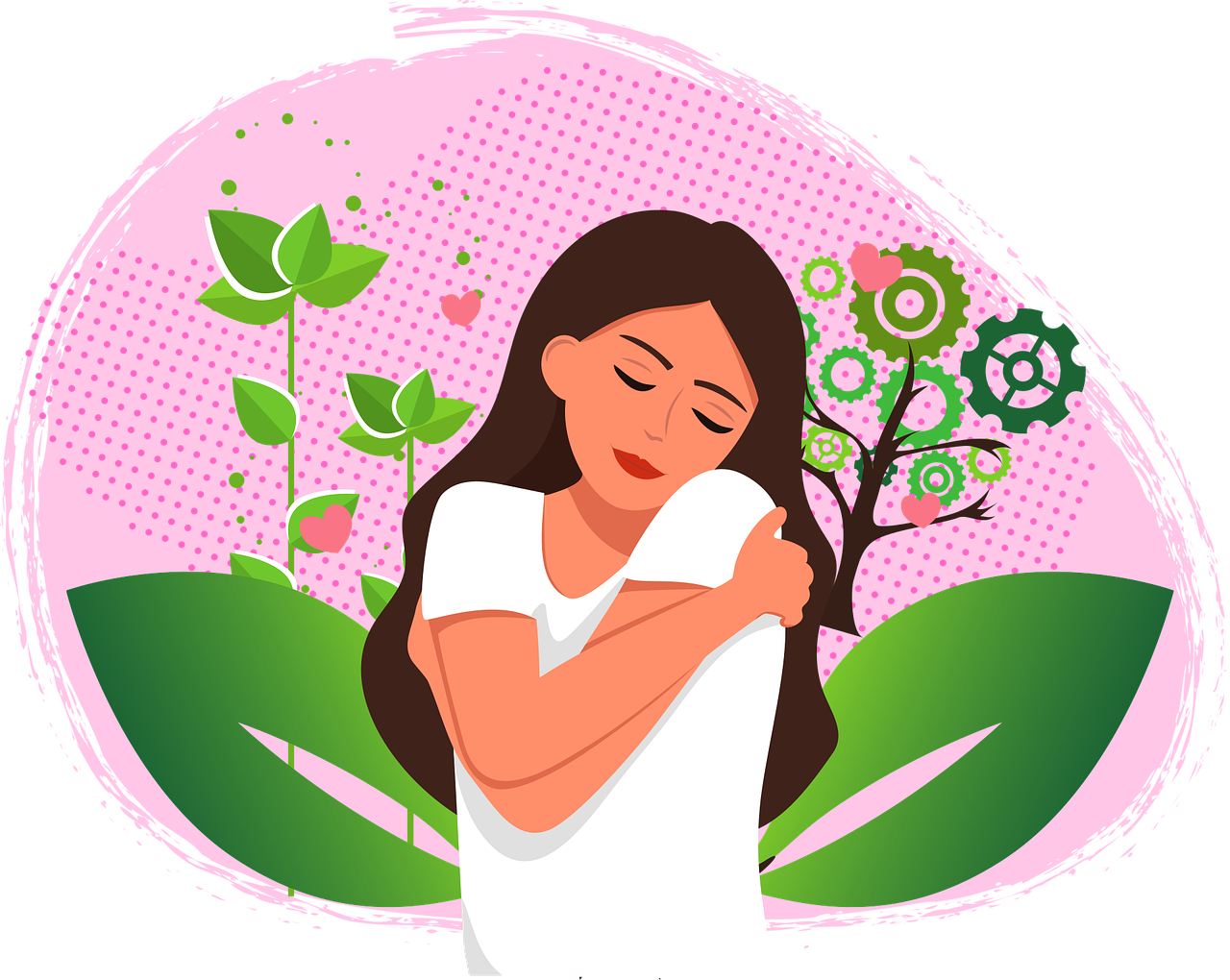
1. Self-Care: Self-care involves intentional actions and practices that prioritize your physical, emotional, and mental health. It encompasses activities like exercise, relaxation, healthy eating, and taking time for hobbies and rest. Self-care helps you recharge and manage stress.
2. Self-Compassion: Self-compassion is the practice of treating yourself with kindness, understanding, and non-judgment, especially during difficult times. It involves acknowledging your own suffering, offering support to yourself as you would to a friend, and cultivating a positive inner dialogue. Self-compassion enhances emotional resilience and self-acceptance.
Together, self-care and self-compassion create a holistic approach to self-nurturing and well-being, promoting a healthier and more balanced life.
Mindfulness and Meditation
Mindfulness and meditation offer a wide range of physical, emotional, and mental benefits. These practices have gained popularity for their ability to enhance overall well-being and contribute to a more balanced and mindful life. Here are some of the key benefits of mindfulness and meditation:
1. Stress Reduction: Mindfulness and meditation are powerful tools for managing stress. They promote relaxation and help individuals respond to stressors more effectively, reducing the physiological and psychological impact of stress.
2. Improved Emotional Regulation: Regular mindfulness and meditation practice can lead to better emotional regulation. These practices enable individuals to observe their emotions without judgment, fostering emotional resilience and reducing reactivity.
3. Enhanced Mental Clarity: Meditation, in particular, can improve mental clarity and focus. It helps individuals develop the ability to concentrate on tasks and remain present in the moment, reducing mental distractions.
4. Greater Self-Awareness: Mindfulness practices promote self-awareness by encouraging individuals to observe their thoughts, emotions, and bodily sensations. This heightened awareness can lead to a deeper understanding of oneself and one’s behaviors.
5. Improved Sleep: Mindfulness meditation can improve sleep quality by reducing racing thoughts and promoting relaxation. This can be particularly helpful for individuals dealing with insomnia or sleep disturbances.
6. Reduced Symptoms of Anxiety and Depression: Studies have shown that mindfulness-based interventions can reduce symptoms of anxiety and depression. These practices help individuals challenge negative thought patterns and manage emotional distress.
7. Enhanced Resilience: Mindfulness and meditation foster resilience by encouraging individuals to embrace life’s challenges with equanimity. This mindset allows for a more balanced response to adversity.
8. Pain Management: Mindfulness meditation has been used as a complementary approach to manage chronic pain. It can change the perception of pain and help individuals cope with discomfort more effectively.
9. Improved Relationships: Mindfulness can enhance relationships by promoting better communication and empathy. Mindful listening and being present with others can lead to more meaningful and satisfying connections.
10. Boosted Immune System: Some studies suggest that mindfulness and meditation practices may strengthen the immune system, making individuals more resilient to illness.
11. Greater Compassion: Meditation and mindfulness often lead to increased feelings of compassion and kindness, both toward oneself and others. This can enhance social interactions and empathy.
12. Enhanced Creativity: Mindfulness practices can stimulate creativity by reducing mental clutter and promoting a clear and open mind.
13. Physical Health Benefits: Meditation and mindfulness have been associated with lower blood pressure, improved cardiovascular health, and better overall physical health.
14. Sense of Well-Being: Regular practice of mindfulness and meditation contributes to an increased sense of well-being and contentment with life.
15. Reduced Rumination: Mindfulness helps individuals break free from rumination and overthinking by encouraging them to stay in the present moment.
It’s important to note that the benefits of mindfulness and meditation often become more pronounced with regular practice. Integrating these practices into your daily routine can lead to lasting positive changes in various aspects of your life.
How to incorporate mindfulness into daily life
Incorporating mindfulness into your daily life can be a transformative practice that enhances your overall well-being. Here are some practical ways to make mindfulness a part of your daily routine:
1. Start with Short Sessions: If you’re new to mindfulness, begin with short sessions of just a few minutes. Gradually increase the duration as you become more comfortable.
2. Choose a Routine Time: Pick a specific time each day to practice mindfulness. This could be in the morning, during lunch, or before bed. Consistency is key.
3. Create a Calm Space: Find a quiet and comfortable space where you won’t be easily disturbed. It could be a corner of a room, a garden, or any place where you feel at ease.
4. Focus on the Breath: One of the simplest mindfulness practices is to focus on your breath. Pay attention to the sensation of each breath in and out. If your mind wanders, gently bring your focus back to your breath.
5. Body Scan: Do a body scan by mentally noting sensations in each part of your body, starting from your toes and working your way up to your head. This practice can help you become more aware of physical tension.

6. Mindful Eating: Eat a meal or snack mindfully by savoring each bite. Pay attention to the taste, texture, and smell of the food. Avoid distractions like TV or phones.
7. Walking Meditation: While walking, pay close attention to each step and the sensation of your feet hitting the ground. This can turn a daily walk into a mindfulness practice.
8. Use Mindfulness Apps: There are many mindfulness apps available that offer guided meditations and timers to help you establish a regular practice. Examples include Headspace, Calm, and Insight Timer.
9. Journaling: Write in a gratitude journal or mindfulness journal daily. Reflect on positive experiences, things you’re thankful for, or your feelings and thoughts.
10. Incorporate Mindful Breaks: Take short mindfulness breaks throughout the day. Pause for a few moments to check in with your breath, body, and thoughts. These mini-mindfulness moments can help you stay present.
11. Mindful Activities: Engage in daily activities with full awareness. Whether it’s washing dishes, brushing your teeth, or taking a shower, be fully present in the moment.
12. Cultivate Mindful Listening: When talking to others, practice active listening. Give them your full attention without formulating responses in your mind.
13. Mindfulness Apps and Resources: Utilize mindfulness apps and resources that offer a variety of guided meditations, mindful exercises, and teachings on mindfulness.
14. Join a Mindfulness Group: Consider joining a local mindfulness group or online community to share experiences, gain support, and participate in group meditation sessions.
15. Self-Compassion: Integrate self-compassion into your mindfulness practice. Be kind and non-judgmental toward yourself, especially when you encounter distractions or challenges.
16. Extend Mindfulness to Emotions: Acknowledge and accept your emotions without judgment. Observe them with curiosity and compassion.
Remember that mindfulness is a skill that develops over time with practice. Be patient with yourself and avoid striving for perfection. The goal is not to eliminate all thoughts or distractions but to cultivate a more present and compassionate way of being in your daily life.
Connection between physical health and mental health
The connection between physical health and mental health is profound and bidirectional, meaning that each can significantly impact the other. This intricate relationship emphasizes the importance of taking a holistic approach to well-being that considers both the body and the mind. Here are key aspects of the connection between physical and mental health:

1. Biological Basis:
– The brain and the body are interconnected through complex biological pathways. Neurotransmitters and hormones released in response to stress, emotions, and physical health conditions can affect both mental and physical well-being.
– For example, imbalances in neurotransmitters like serotonin can contribute to both mood disorders (e.g., depression) and physical symptoms (e.g., gastrointestinal issues).
2. Stress and the HPA Axis:
– Stress is a significant factor that bridges physical and mental health. The hypothalamic-pituitary-adrenal (HPA) axis, a key stress response system, can become dysregulated due to chronic stress. This can lead to both mental health problems (anxiety, depression) and physical health issues (e.g., high blood pressure, immune system dysfunction).
3. Lifestyle Factors:
– Lifestyle choices, such as diet, exercise, and sleep patterns, play a crucial role in both physical and mental health.
– Regular physical activity can release endorphins and improve mood while reducing the risk of conditions like obesity and cardiovascular disease.
– A balanced diet with essential nutrients is not only important for physical health but also for brain function and mood regulation.
– Sleep is essential for cognitive functioning, emotional regulation, and overall health. Sleep disturbances are associated with increased risk of mental health disorders.
4. Inflammatory Response:
– Inflammation is linked to various physical health conditions (e.g., autoimmune diseases) and mental health conditions (e.g., depression and anxiety). Chronic inflammation can contribute to the development or exacerbation of both physical and mental disorders.
5. Chronic Illness and Mental Health:
– Living with a chronic physical health condition can increase the risk of developing mental health issues. Coping with the challenges of chronic illness, pain, and disability can lead to anxiety, depression, and reduced quality of life.
6. Medications and Treatments:
– Medications used to treat physical health conditions can have mental health side effects, and vice versa. It’s essential for healthcare providers to consider the potential impact on both aspects of a patient’s well-being when prescribing treatments.
7. Holistic Treatment Approach:
– Many healthcare professionals recognize the interconnectedness of physical and mental health and use a holistic approach to treatment. Integrative and complementary therapies, such as mindfulness-based stress reduction (MBSR) and yoga, can help address both mental and physical health concerns.
8. Prevention and Wellness:
– Promoting physical health through preventive measures like vaccinations, healthy lifestyle choices, and regular check-ups can also benefit mental health by reducing the risk of illness and promoting overall well-being.
In summary, the connection between physical and mental health is undeniable, and it underscores the importance of a holistic approach to well-being. Taking care of one’s body through proper nutrition, exercise, and healthcare is not only essential for physical health but also for emotional and psychological well-being. Likewise, addressing mental health concerns can lead to improvements in physical health and overall quality of life. Recognizing and nurturing this intricate relationship is essential for maintaining a balanced and healthy life.
When and how to seek therapy or Counselling
Seeking therapy or counseling is a valuable step toward addressing mental health challenges, improving emotional well-being, and gaining support during difficult times. Knowing when and how to seek therapy can be crucial for your overall mental health. Here are some considerations:
When to Seek Therapy:

1. Persistent Emotional Distress: If you’re experiencing persistent feelings of sadness, anxiety, anger, or hopelessness that interfere with your daily life, it’s a clear indicator that you may benefit from therapy.
2. Major Life Transitions: Significant life changes such as divorce, job loss, relocation, or the death of a loved one can be emotionally challenging. Therapy can provide support during these transitions.
3. Relationship Issues: When conflicts, communication breakdowns, or unresolved issues are straining your relationships with family, friends, or a romantic partner, therapy can offer guidance and strategies for improvement.
4. Trauma and PTSD: If you’ve experienced a traumatic event, whether recent or in the past, and are struggling to cope with its effects, therapy, particularly trauma-focused therapy, can help you process and heal.
5. Substance Use or Addiction: If you or a loved one is struggling with substance abuse or addiction, therapy can be an essential part of the recovery process.
6. Chronic Stress or Burnout: Chronic stress, feeling overwhelmed, or experiencing symptoms of burnout can negatively impact your mental and physical health. Therapy can help you manage stress and develop coping strategies.
7. Self-Esteem and Self-Image: Low self-esteem, poor self-image, or a lack of self-confidence can affect various aspects of your life. Therapy can assist in building a more positive self-concept.
8. Anxiety and Panic Attacks: If you’re dealing with intense anxiety, panic attacks, or specific phobias that interfere with your daily activities or quality of life, therapy can provide techniques to manage and alleviate symptoms.
9. Depression: Persistent feelings of sadness, fatigue, loss of interest, and thoughts of self-harm or suicide are signs of depression. Therapy is a key component of depression treatment.
10. Eating Disorders: Seek therapy if you or someone you know is struggling with an eating disorder, as it often requires specialized treatment.
How to Seek Therapy:

1. Research: Start by researching different types of therapy and therapists in your area. You can ask for recommendations from your primary care physician, friends, or family members.
2. Choose a Therapist: Consider factors such as the therapist’s specialty, experience, and approach. It’s important to find someone you feel comfortable and safe with.
3. Contact the Therapist: Reach out to the therapist or counseling center to inquire about their availability, fees, and insurance coverage.
4. Assessment: The therapist will typically conduct an initial assessment to understand your concerns and goals. This is also an opportunity for you to gauge whether you feel comfortable working with them.
5. Discuss Treatment Plan: Collaborate with your therapist to develop a treatment plan that outlines your goals and the methods that will be used to achieve them.
6. Commit to Regular Sessions: Attend therapy sessions as scheduled, and be open and honest during your discussions. Building a trusting therapeutic relationship is essential.
7. Engage Actively: Participate actively in your therapy process. Complete homework assignments if assigned, and apply what you learn in therapy to your daily life.
8. Advocate for Yourself: If you ever feel that the therapy isn’t working or the therapeutic relationship isn’t a good fit, don’t hesitate to discuss your concerns with your therapist or seek a second opinion.
9. Continue as Needed: The duration of therapy can vary greatly depending on your specific needs and goals. Some people may find that a few sessions are sufficient, while others benefit from longer-term therapy.
10. Involve Support Systems: Encourage the involvement of supportive friends and family members in your therapy process when appropriate, as their understanding and support can be valuable.
Remember that seeking therapy is a proactive step toward taking care of your mental health, and it is a sign of strength, not weakness. If you are in crisis or facing an emergency, do not hesitate to contact emergency services or a crisis hotline for immediate assistance. Your mental well-being is important, and seeking therapy is a valuable investment in yourself.
Reducing Stigma and Promoting Mental Health Awareness
Reducing stigma and promoting mental health awareness are essential steps toward creating a more supportive and compassionate society where individuals feel comfortable seeking help and discussing mental health openly. Here are strategies to reduce stigma and promote mental health awareness:
1. Education and Awareness:
– Provide education about mental health and mental illnesses in schools, workplaces, and communities. Promote understanding of common conditions, symptoms, and treatments.
– Share personal stories and testimonials from individuals who have experienced mental health challenges to humanize the experience and reduce stigma.
2. Language Matters:
– Encourage the use of respectful and non-stigmatizing language when discussing mental health. Avoid derogatory terms or stereotypes.
– Emphasize that mental health conditions are medical conditions, not character flaws.
3. Normalize Conversations:
– Encourage open conversations about mental health in everyday life. Make it clear that it’s okay to talk about one’s feelings, emotions, and mental well-being.
– Create safe spaces for people to share their experiences and challenges without fear of judgment.
4. Challenge Stereotypes:
– Challenge and debunk common stereotypes and misconceptions about mental health and mental illness.
– Promote diversity and inclusion in mental health discussions to highlight that mental health affects people from all backgrounds.

5. Media and Entertainment:
– Encourage responsible portrayals of mental health in the media, film, and television. Advocate for accurate and sensitive depictions of mental health challenges.
– Recognize and celebrate media that promotes mental health awareness and positive messages.
6. Support Mental Health Initiatives:
– Participate in or support mental health awareness campaigns and events, such as Mental Health Awareness Month.
– Advocate for increased funding and resources for mental health services and research.
7. Workplace Support:
– Promote mental health initiatives in the workplace, including Employee Assistance Programs (EAPs), stress management workshops, and mental health awareness training for employees and managers.
– Encourage a workplace culture that prioritizes work-life balance and supports employees’ mental well-being.
8. School Programs:
– Implement mental health education programs in schools that teach students about emotional well-being, stress management, and how to seek help when needed.
– Train teachers and school staff to recognize signs of distress in students and provide appropriate support.
9. Community Engagement:
– Engage community organizations, religious groups, and local leaders in mental health awareness efforts.
– Organize mental health-related events, workshops, or support groups within communities.
10. Seek Celebrity Advocacy:
– Partner with celebrities and public figures who are open about their mental health experiences to serve as advocates and role models.
– Their stories can help reduce stigma and encourage others to seek help.
11. Mental Health First Aid:
– Offer Mental Health First Aid training to community members, teachers, and first responders to help them identify and assist individuals in crisis.
12. Encourage Help-Seeking Behaviour:
– Promote the idea that seeking help for mental health challenges is a sign of strength, resilience, and self-care.
– Share information about available mental health resources, such as crisis hotlines, support groups, and therapy services.
Reducing stigma and promoting mental health awareness is an ongoing effort that requires the collective commitment of individuals, communities, organizations, and governments. By fostering a culture of understanding, empathy, and support, we can create an environment where everyone feels valued and empowered to prioritize their mental well-being.
1 thought on ““Fostering Mental Health: Strategies for Well-Being and Resilience””