Gaganyaan failure test Launch successful at ISRO
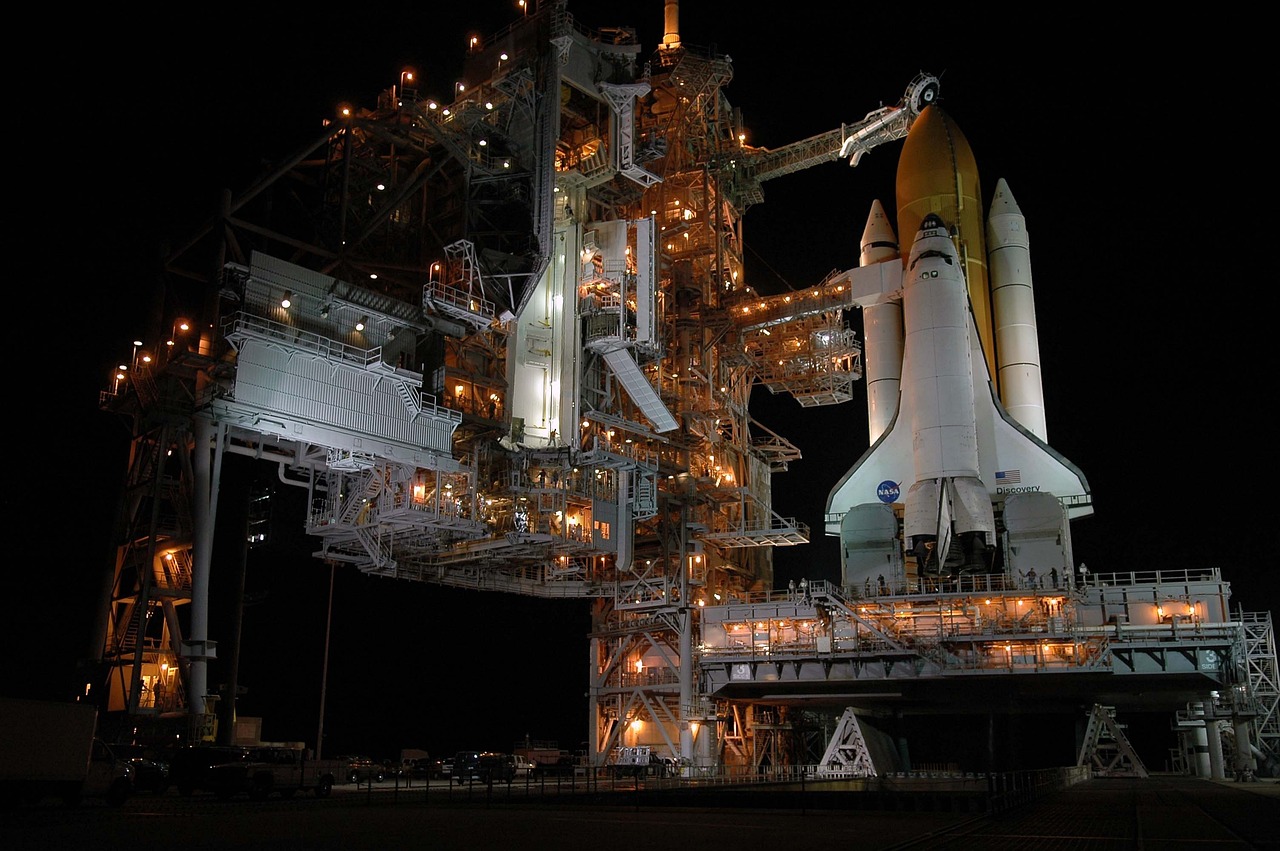
The Indian Space Research Organisation (ISRO) conducted the third major test of the ambitious Gaganyaan Mission to launch Indian astronauts into space on Saturday.
The liquid-propelled single-stage Test Vehicle (TV-D1) lifted off from the Satish Dhawan Space Centre on a brief but significant trip carrying the Crew Escape System, an indigenous system critical to the safety of Indian astronauts.
The test confirmed the motors that will be used on this trip, including low-altitude motors, high-altitude motors, and jettisoning motors that will be utilised to safely remove humans from the vehicle in the event of an emergency. Isro chief S Somnath pronounced the mission successful and the objectives met.
The launch was temporarily paused due to an error, which was quickly resolved, and the spacecraft blasted off at 10 a.m.
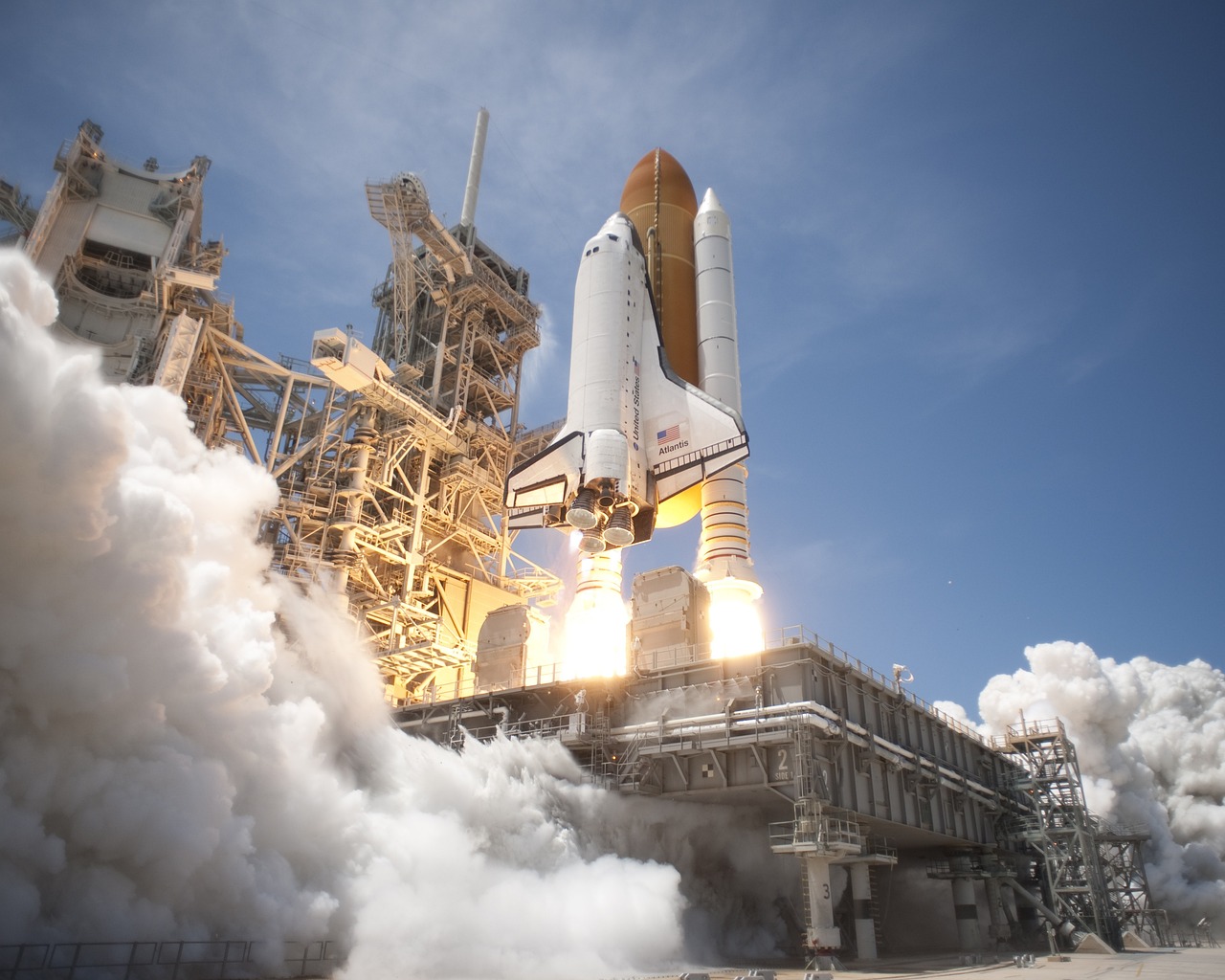
The flight sequence began with the TV-D1’s launch. The fin enabling system was initiated six seconds into the flight, followed by the activation of the Crew Escape System Pillbox at a speed of Mach 1.25 and an altitude of 11.8 kilometres.
The vehicle was then propelled further into the atmosphere by the High Energy Motor (HEM).
The Crew Escape System detached from the rocket booster around 61.1 seconds after launch, when the vehicle reached a Mach number of 1.21 at an altitude of 11.9 kilometres. At an altitude of 16.9 kilometres and a speed of 550 kilometres per hour, the Crew Module detached from the Crew Escape System. Following that, the drogue parachute is deployed, slowing the vehicle’s descent.
“The Gaganyaan TV D1 Test Flight Mission has been completed.” The Crew Escape System worked as expected. “Mission Gaganyaan gets off to a good start,” Isro added.
WHY WAS THIS TEST LAUNCH IMPORTANT?
READ FULL : Gaganyaan Mission: ISRO’s 1st test flight launch called off, vehicle safe
The mission of the launch was to test and validate the system that would be important during the initial phase of the launch in the event of an emergency.
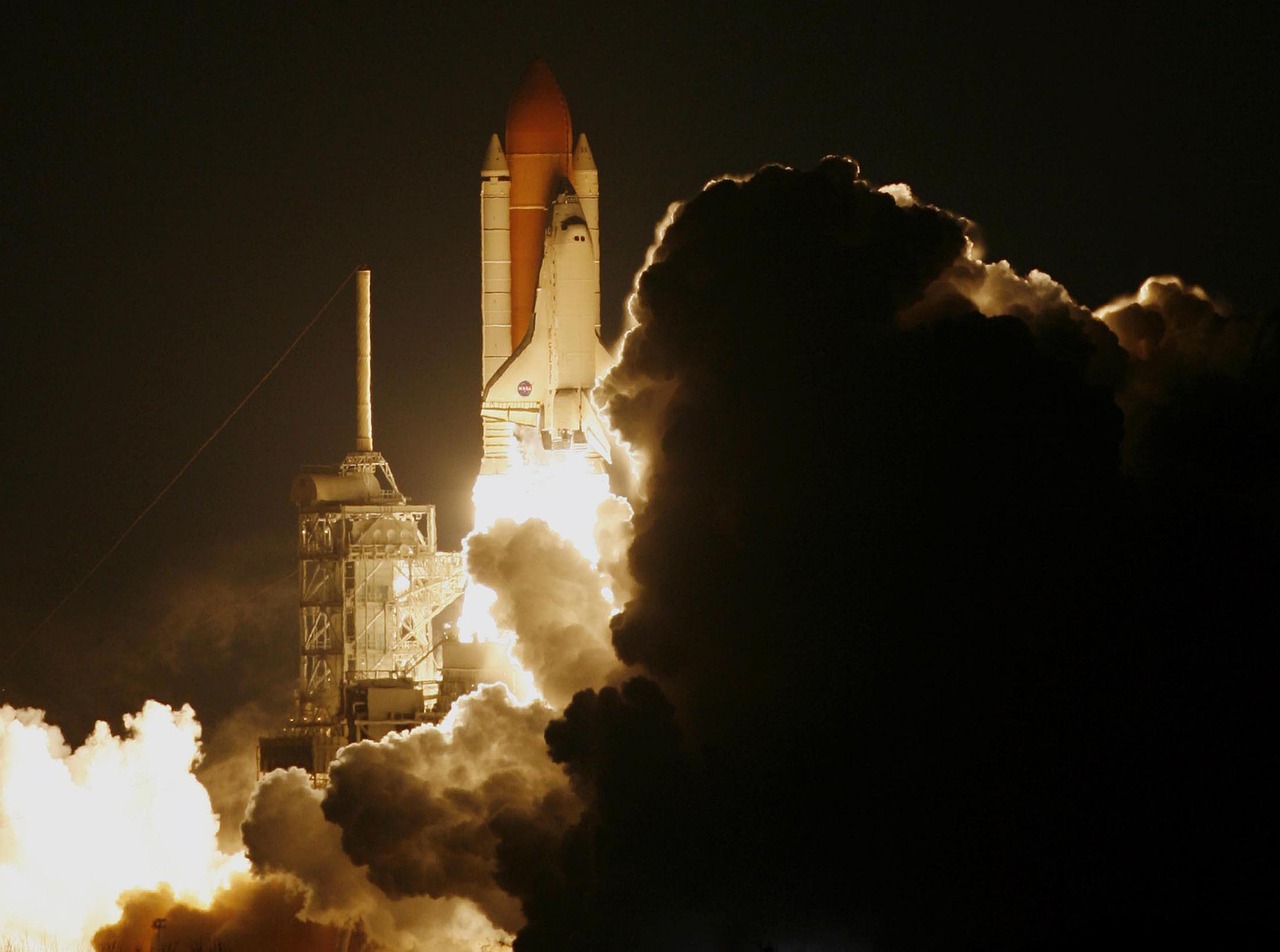
If the computer senses a fatal problem, the Crew Escape System will be tasked with launching the Crew Module with the astronauts inside to a safe distance away from the rocket. The Crew Module will then separate and land in the sea, aided by parachutes.
The escape system is inspired by previous types now in use on Nasa and SpaceX rockets as part of backup plans when humans are launched into space. Click here!
WHAT IS A CREW ESCAPE SYSTEM?
The abort and crew escape mechanisms, which function similarly to fighter aircraft ejection seats, protect astronauts during mission anomalies. However, in the world of crewed rocket flights, precision and science are critical.
This system is activated automatically when a computer detects a fault or issue seconds after liftoff, prior to rocket stage separation. While not a novel concept, it is a critical instrument used by space agencies around the world to protect human astronauts on travels into space.
The system adds an important layer of safety by rapidly ejecting the crew to reduce potential risks during the chaotic early stages of ascent.
ALSO READ : “Diabetes-Friendly 5 Indian Recipes: Savor the Flavors, Control Your Sugar”

The Indian Space Research Organisation (ISRO) postponed the launch of the Gaganyaan Mission’s first uncrewed test flight (TV-D1 Flight Test) on Saturday.
“Gaganyaan’s First Flight Test Vehicle Abort Mission-1 (TV-D1) launch has been postponed,” said ISRO Chief S Somanath. The next schedule will be released shortly.”
“The lift-off attempt could not take place today…engine ignition did not occur in the nominal course; we need to determine what went wrong.” The vehicle is okay, but we need to investigate what happened…we will return shortly…the computer that is doing the function has delayed the launch…we will repair it and schedule the launch soon…,” he stated.
The Test Vehicle D1 mission was originally slated to launch from the first launch pad at 8 a.m., but the time was changed to 8.30 a.m.
“The lift-off has been rescheduled for 08:30 Hrs. IST,” an ISRO update on ‘X’ stated. A similar announcement was made at the Mission Control Centre.
The 13-hour countdown began at 7 p.m. on Friday.
The test vehicle mission is a precursor to the Gaganyaan programme, which seeks to send humans into space for three days in a 400 kilometre Low Earth Orbit and safely return them to Earth.
The Gaganyaan mission requires the development of many critical technologies, including a human-rated launch vehicle capable of safely transporting crew to space, a Life Support System capable of providing an earth-like environment to crew in space, crew emergency escape provision, and evolving crew management aspects for crew training, recovery, and rehabilitation.