
In a world that never seems to slow down, where the pressures of daily life can often feel overwhelming, the importance of mental health cannot be overstated. Mental health is an integral part of our overall well-being, affecting every aspect of our lives, from our relationships and work performance to our physical health. Despite its significance, mental health is a topic that has long been stigmatized and misunderstood. This blog aims to shed light on the complex landscape of mental health, offering insights, strategies, and resources to help individuals better understand, manage, and prioritize their mental well-being. read more
WORLD MENTAL HEALTH DAY – 10TH SEPTEMBER
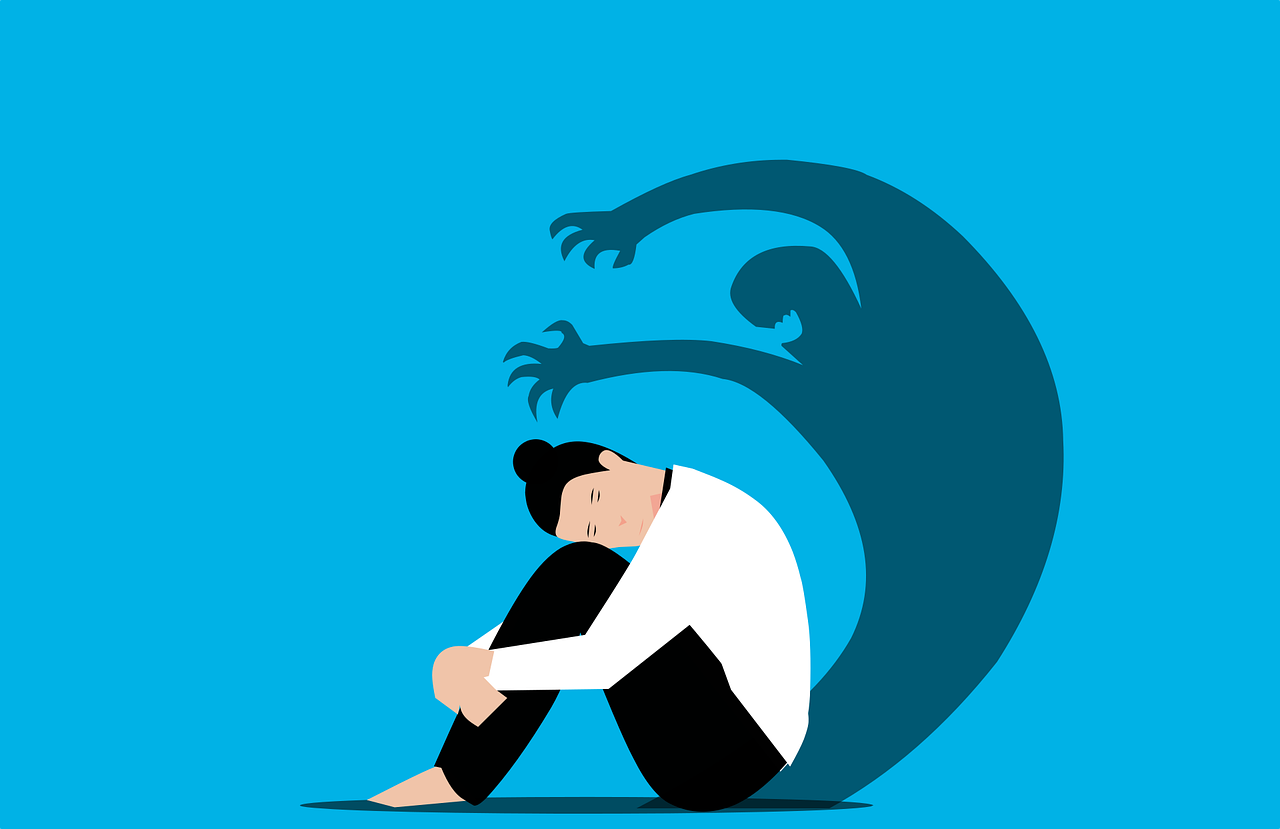
Understanding Mental Health
What is mental health?
Mental health refers to a person’s emotional, psychological, and social well-being. It encompasses a wide range of factors that influence how individuals think, feel, and behave. Mental health is not simply the absence of mental illness but rather a state of overall well-being in which an individual can effectively cope with the daily stresses of life, work productively, maintain healthy relationships, and make sound decisions.

Key aspects of mental health include:
1. Emotions: Mental health involves the ability to manage and express a wide range of emotions in a healthy and constructive manner. This includes experiencing joy, sadness, anger, fear, and other emotions without feeling overwhelmed or out of control.
2. Cognitive Functioning: Mental health includes cognitive processes such as thinking, reasoning, problem-solving, and decision-making. It also encompasses the ability to focus, concentrate, and learn new information.
3. Social Relationships: Healthy mental health enables individuals to form and maintain positive relationships with others. It involves effective communication, empathy, and the ability to connect with and support others.
4. Stress Management: Mental health involves the capacity to cope with stressors and life’s challenges. This includes having healthy coping mechanisms and resilience in the face of adversity.
5. Self-Esteem and Self-Image: A positive self-esteem and a healthy self-image are components of good mental health. This means having a realistic and positive view of oneself and one’s abilities.
6. Emotional Regulation: Mental health includes the ability to regulate and manage emotions appropriately, avoiding extremes like chronic anger or emotional numbness.
7. Self-Care: Taking care of one’s physical and emotional needs, such as getting enough sleep, eating nutritiously, exercising, and seeking help when needed, is essential for maintaining mental health.
It’s important to note that mental health can fluctuate throughout life and is influenced by various factors, including genetics, life experiences, trauma, physical health, and environmental influences. Mental health conditions, such as anxiety disorders, depression, bipolar disorder, schizophrenia, and others, can also impact a person’s mental well-being. These conditions may require professional treatment and support.
Promoting and maintaining good mental health is a lifelong journey that involves self-awareness, self-care, seeking help when necessary, and building a strong support system. It’s also crucial to reduce the stigma surrounding mental health issues to encourage open and compassionate conversations and access to appropriate resources and treatments for those who need them.
The difference between mental health and mental illness.

Mental health and mental illness are related concepts, but they are distinct from each other. Understanding the differences between them is important for promoting overall well-being and addressing mental health concerns effectively. Here are the key distinctions between mental health and mental illness:
1. Mental Health:
– Mental health refers to a person’s overall psychological and emotional well-being. It encompasses a broad spectrum of mental states, from positive mental health to mild stress or occasional emotional difficulties.
– Good mental health is characterized by the ability to manage stress, maintain satisfying relationships, make sound decisions, cope with life’s challenges, and experience a sense of well-being and happiness.
– Mental health is not static; it can change over time and can vary from day to day. It is influenced by factors such as genetics, environment, life experiences, and personal coping strategies.
– Everyone has mental health, just as everyone has physical health. Taking care of one’s mental health is essential for overall wellness and resilience.
2. Mental Illness:
– Mental illness, on the other hand, refers to diagnosable and clinically significant disturbances in thoughts, emotions, behaviors, or mental processes. These disturbances often interfere with a person’s ability to function in daily life.
– Mental illnesses are medical conditions that can affect a person’s thinking, mood, behavior, and ability to relate to others. Examples include depression, anxiety disorders, bipolar disorder, schizophrenia, and post-traumatic stress disorder (PTSD), among others.
– Mental illnesses are typically diagnosed by mental health professionals using specific criteria outlined in the Diagnostic and Statistical Manual of Mental Disorders (DSM) or the International Classification of Diseases (ICD).
– Mental illnesses can vary in severity, and they often require treatment, which may include therapy, medication, lifestyle changes, or a combination of these approaches.
In summary, mental health refers to the overall state of an individual’s psychological and emotional well-being, which can range from positive mental health to temporary stress or challenges. Mental illness, on the other hand, refers to specific diagnosable conditions that significantly disrupt a person’s mental functioning and require treatment.

The Continuum of Mental Health
The continuum of mental health is a spectrum that represents the range of mental states and well-being in individuals. It spans from positive mental health at one end to various degrees of mental distress or illness at the other end. This continuum acknowledges that mental health is not a binary concept but varies from person to person and can change over time. It emphasizes that everyone exists somewhere on this spectrum and that mental health is dynamic and influenced by various factors, including genetics, environment, and life experiences. The goal is to promote positive mental health and provide appropriate support and care when individuals experience mental distress or illness.
Factors Influencing Mental Health
Mental health is influenced by a complex interplay of various factors, including biological, environmental, and psychological elements. Understanding these factors can help individuals and healthcare professionals address mental health challenges effectively. Here are some key factors that influence mental health:
- Biological Factors:
– Genetics: Family history of mental health conditions can increase the risk of developing them. Genetic predispositions can make certain individuals more vulnerable to specific mental illnesses.
– Brain Chemistry: Imbalances in neurotransmitters (chemical messengers in the brain) can affect mood regulation and contribute to conditions like depression and anxiety.
– Physical Health: Physical well-being and mental health are interconnected. Chronic illnesses, hormonal imbalances, or neurological conditions can impact mental health.
- Environmental Factors:
– Early Life Experiences: Childhood trauma, abuse, neglect, or adverse experiences can have lasting effects on mental health and increase the risk of mental health conditions later in life.
– Social Support: A strong social support system, including family, friends, and a sense of belonging, can promote positive mental health and resilience.
– Stressors: Chronic stressors, such as financial difficulties, work-related stress, or life changes, can contribute to mental health challenges.
– Access to Healthcare: The availability and accessibility of mental healthcare services can greatly influence an individual’s ability to seek and receive appropriate treatment.
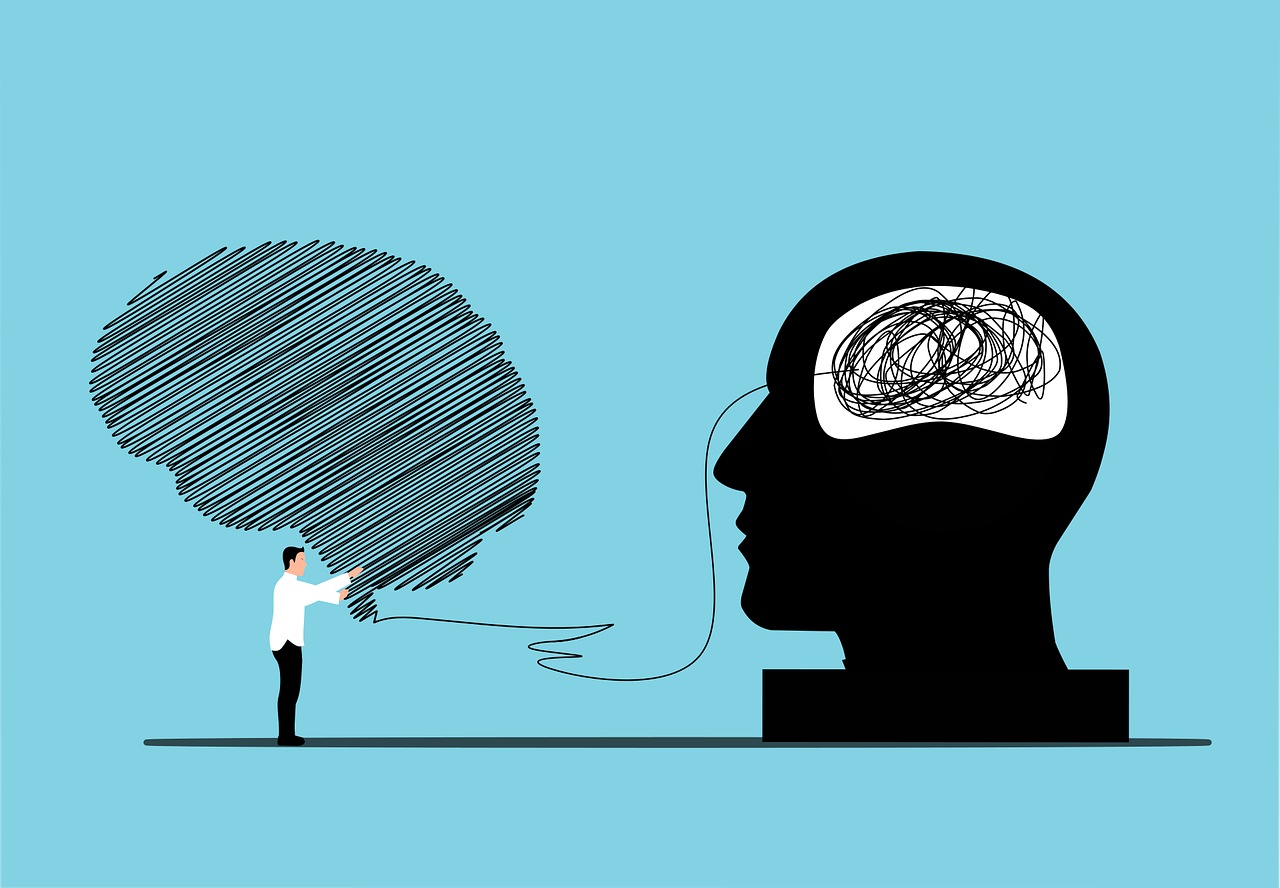
- Psychological Factors:
– Coping Skills: An individual’s ability to cope with stress, setbacks, and life challenges can impact their mental health. Effective coping strategies can promote resilience.
– Self-Esteem and Self-Image: A healthy self-esteem and positive self-image contribute to good mental health, while low self-esteem can lead to mental health challenges.
– Thought Patterns: Negative thought patterns, such as rumination or catastrophic thinking, can contribute to conditions like anxiety and depression.
– Personality Traits: Certain personality traits or tendencies, such as perfectionism or impulsivity, may increase susceptibility to specific mental health conditions.
- Social and Cultural Factors:
– Cultural Norms: Cultural beliefs and norms surrounding mental health can influence how individuals perceive and seek help for mental health concerns.
– Discrimination and Stigma: Experiences of discrimination, prejudice, or social stigma related to mental health can impact an individual’s mental well-being.
- Lifestyle Factors:
– Diet and Nutrition: Proper nutrition and a balanced diet can support good mental health, while poor nutrition can contribute to mood disturbances.
– Physical Activity: Regular exercise has been shown to have a positive impact on mental health by reducing stress and promoting the release of endorphins.
– Substance Use: Substance abuse and addiction can worsen mental health conditions or lead to new ones.
- Life Events: Major life events, such as the death of a loved one, divorce, or significant life changes, can trigger or exacerbate mental health challenges.
It’s important to recognize that these factors are interconnected and can influence each other. Additionally, individuals have varying levels of resilience, which can mitigate the impact of certain risk factors. Promoting mental health involves a holistic approach that considers these factors and emphasizes prevention, early intervention, and accessible treatment options when needed.
The Importance of Mental Health

The importance of mental health cannot be overstated, as it plays a fundamental role in every aspect of our lives, from our personal well-being to our relationships, work performance, and overall quality of life. Here are some key reasons why mental health is critically important:
1. Overall Well-Being: Mental health is a vital component of our overall well-being. When we are mentally healthy, we experience a sense of contentment, happiness, and fulfillment in life. It contributes to a higher quality of life and a greater sense of purpose.
2. Physical Health: Mental health and physical health are closely interconnected. Poor mental health can have adverse effects on physical health, leading to conditions such as cardiovascular disease, obesity, and a weakened immune system. Conversely, maintaining good mental health can promote better physical health.
3. Productivity and Work Performance: Mental health plays a significant role in our ability to perform effectively at work or in our studies. When we are mentally healthy, we are more focused, motivated, and productive. Conversely, untreated mental health issues can lead to decreased productivity and absenteeism.
4. Relationships: Healthy relationships are built on effective communication, empathy, and emotional stability, all of which are influenced by mental health. Good mental health enables us to form and maintain positive relationships with family, friends, and colleagues.
5. Coping with Stress: Life is filled with challenges and stressors. Strong mental health equips us with effective coping strategies to navigate these stressors, which can range from everyday hassles to major life crises.
6. Resilience: Mental health is closely tied to resilience, the ability to bounce back from adversity. Resilience enables individuals to better cope with setbacks, trauma, and difficult life events.
7. Personal Growth and Development: A positive mental state fosters personal growth and development. It encourages us to set and achieve goals, learn from our experiences, and adapt to change.
8. Reducing Stigma: Prioritizing mental health reduces the stigma surrounding mental health issues. When we openly acknowledge the importance of mental health, it encourages others to seek help and support without fear of judgment.
9. Preventing Mental Illness: Good mental health practices can help prevent the onset of mental illnesses. Early intervention and proactive mental health care can reduce the severity and impact of mental health conditions.
10. Community and Societal Well-Being: A society in which mental health is prioritized benefits from reduced healthcare costs, increased productivity, lower crime rates, and improved overall well-being for its citizens.
In summary, mental health is a foundational aspect of our lives, influencing our physical health, relationships, productivity, and personal growth. It’s essential for individuals and societies to recognize the significance of mental health, promote its well-being, and provide support and resources to those who may be struggling with mental health challenges. By doing so, we can build healthier, more resilient communities and enhance the overall quality of life for individuals and societies as a whole.
The mind-body connection.

The mind-body connection is a complex and intricate relationship between an individual’s mental and emotional state (the mind) and their physical health and well-being (the body). It highlights how these two aspects of human existence are not separate entities but are interconnected and can influence each other significantly. Here’s a closer look at the mind-body connection:
1. Biological Basis: The mind-body connection has a biological basis, as the brain and the nervous system play a central role in facilitating communication between the mind and the body. The brain processes thoughts, emotions, and sensory information, sending signals throughout the body to regulate various physiological functions.
2. Emotions and Physical Health: Emotions and mental states, such as stress, anxiety, happiness, and sadness, can have a direct impact on physical health. For example:
– Stress: Chronic stress can trigger the release of stress hormones like cortisol, which, over time, can lead to physical health problems, including high blood pressure, digestive issues, and a weakened immune system.
– Happiness: Positive emotions like happiness and contentment can release feel-good chemicals like endorphins and serotonin, which contribute to overall well-being and can have a positive effect on the immune system.
3. Psychosomatic Illnesses: Psychosomatic illnesses are physical ailments that have a significant emotional or psychological component. They often manifest as physical symptoms without an apparent organic cause. Examples include tension headaches, irritable bowel syndrome (IBS), and some forms of chronic pain. These conditions illustrate how emotions and stress can impact physical health.
4. Placebo Effect: The mind-body connection is evident in the placebo effect, where individuals experience improvements in their physical condition after receiving a treatment with no therapeutic properties simply because they believe it will work. This phenomenon demonstrates the power of the mind in influencing physical outcomes.
5. Mindfulness and Relaxation Techniques: Practices such as mindfulness meditation, yoga, and deep breathing exercises emphasize the connection between mental and physical well-being. These techniques help individuals manage stress, reduce anxiety, and promote relaxation, ultimately benefiting their physical health.
6. Holistic Medicine: Some healthcare approaches, often referred to as holistic or integrative medicine, recognize the mind-body connection and aim to treat the whole person, addressing both physical and mental aspects of health. These approaches can include nutrition, exercise, psychotherapy, and complementary therapies.
7. Chronic Conditions: For individuals with chronic conditions such as diabetes, autoimmune diseases, or chronic pain, managing their mental and emotional well-being is essential. Stress and emotional distress can exacerbate symptoms and reduce the effectiveness of treatment.
8. Biofeedback: Biofeedback is a technique that allows individuals to gain awareness and control over physiological functions such as heart rate, muscle tension, and skin temperature. It demonstrates how conscious mental processes can influence physiological responses.
In summary, the mind-body connection underscores the profound influence that mental and emotional well-being can have on physical health and vice versa. Recognizing this connection is essential for promoting holistic health and well-being, as it encourages individuals to take a comprehensive approach to their health that addresses both mental and physical aspects. Practices like stress management, emotional regulation, and mindfulness can play a crucial role in nurturing a positive mind-body connection and supporting overall health.
Conclusion
Mental health is a critical aspect of our lives, one that deserves our attention, understanding, and care. It’s a multifaceted journey that involves understanding ourselves, managing challenges, and fostering resilience. By embracing the information and strategies presented in this comprehensive guide, we can take meaningful steps toward promoting our own mental health and contributing to a society that prioritizes mental well-being. Remember, seeking help and support is a sign of strength, and together, we can break down the stigma surrounding mental health and work toward a healthier, happier future.
2 thoughts on “Navigating the Complex Landscape of Mental Health: A Comprehensive Guide”