
Obesity Challenges and Opportunities of Weight Loss in India
Weight loss is a global concern, and India is no exception. With a diverse population and a rich culinary heritage, weight management in India presents unique challenges and opportunities. This article explores the various aspects of weight loss in the Indian context, addressing the cultural, dietary, and lifestyle factors that impact individuals seeking to shed excess pounds.
ALSO READ : 3 Simple Weight Lose Tips 2023, 3rd is most important !
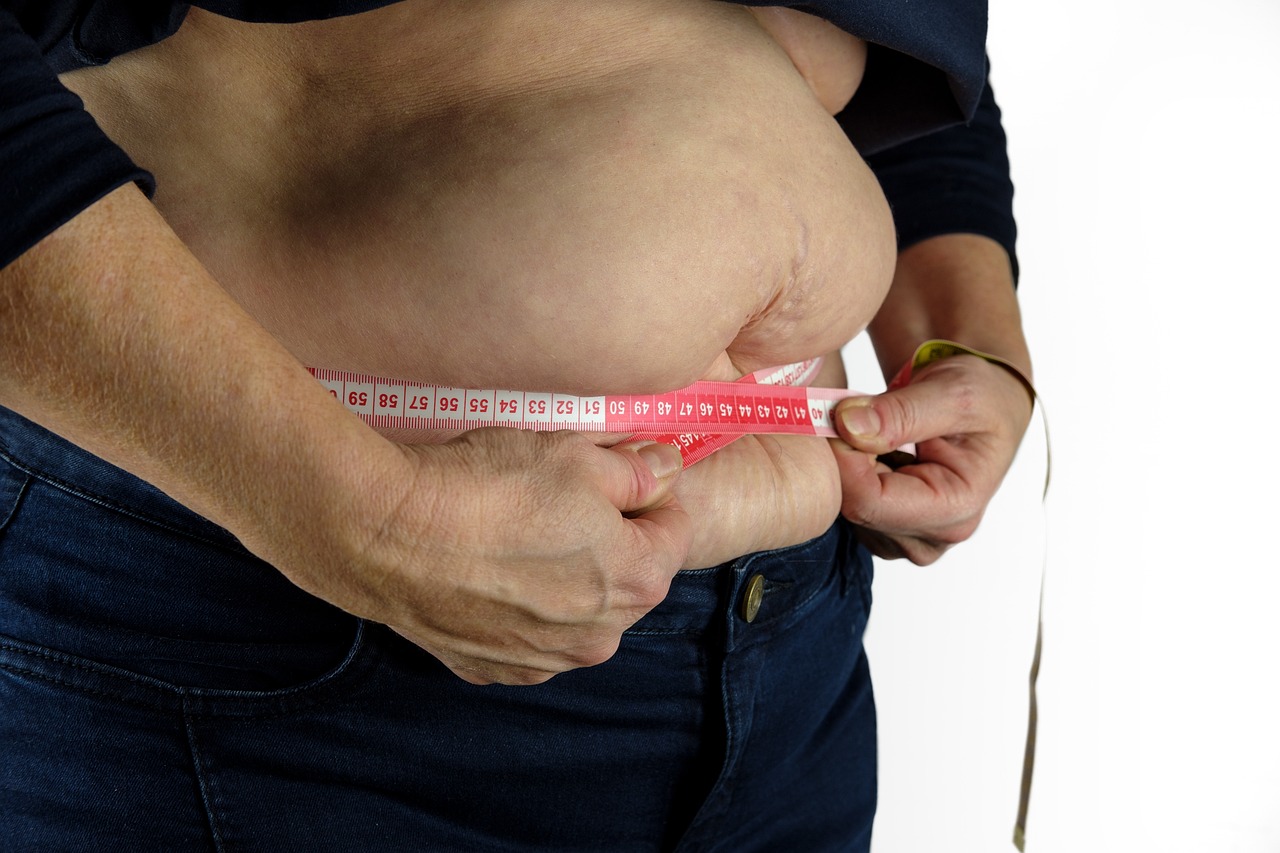
The Rising Prevalence of Obesity in India and its impact on Public Health
The rising prevalence of obesity in India has become a major public health concern with far-reaching consequences. Several factors contribute to this growing issue, and its impact on public health is significant. Here’s an overview of the situation:
1. Changing Dietary Patterns : Traditional Indian diets are being replaced by high-calorie, low-nutrient, and processed foods. The increasing consumption of fast food, sugary beverages, and snacks has led to a surge in calorie intake, contributing to obesity.
2. Sedentary Lifestyles : Urbanization and technological advancements have reduced physical activity. Many individuals lead sedentary lives due to desk jobs, long commutes, and increased screen time. Lack of physical activity is a major contributor to weight gain.
3. Genetic Predisposition : Some individuals may be genetically predisposed to obesity, and this genetic factor combined with environmental influences can lead to weight gain.
4. Economic Growth and Urbanization : As India’s economy grows, people have greater access to unhealthy foods and more disposable income to afford them. Urbanization often brings a shift from manual labor to desk jobs, exacerbating the sedentary lifestyle.
5. Health Consequences : Obesity is a known risk factor for several chronic health conditions, including type 2 diabetes, cardiovascular disease, hypertension, and certain types of cancer. The burden of these diseases on public health systems is substantial.
6. Economic Impact : Obesity-related healthcare costs are a considerable economic burden for both individuals and the healthcare system. Treating obesity-related conditions is expensive and diverts resources from other healthcare needs.
7. Mental Health Impact : Obesity can lead to mental health issues like depression and anxiety due to societal stigma and low self-esteem, further straining mental health services.
8. Childhood Obesity : The prevalence of childhood obesity in India is also rising. This can have long-term health implications as obese children are more likely to become obese adults.
9. Reduced Productivity : Obesity affects productivity at the workplace due to absenteeism and presenteeism (being at work but not performing effectively).
10. Government Health Initiatives : The Indian government has recognized the obesity problem and initiated public health campaigns. However, challenges persist, such as limited access to healthcare in rural areas.
11. Cultural Factors : India’s diverse culture plays a role. While undernutrition remains a problem in some parts of the country, overnutrition and obesity are increasing in others. Cultural factors, such as celebratory feasts and food as a symbol of hospitality, can encourage overeating.
To address the rising prevalence of obesity in India and its impact on public health, a multifaceted approach is needed. This includes public awareness campaigns, policy changes to promote healthier eating and physical activity, better healthcare infrastructure, and individual responsibility. Education on the importance of a balanced diet, regular exercise, and mental well-being is crucial in curbing this growing public health crisis and its associated challenges. Click Here!
The Link Between Obesity and various health issues

The link between obesity and various health issues, including diabetes and heart disease, is well-established and of significant concern. Obesity serves as a major risk factor for these and several other health conditions. Here’s an overview of the connection between obesity and these two specific health issues:
1. Diabetes (Type 2 Diabetes):
– Insulin Resistance : Obesity is strongly associated with insulin resistance, where the body’s cells do not respond effectively to insulin. As a result, blood sugar levels rise.
– Pancreatic Strain : Obesity places additional stress on the pancreas, the organ responsible for producing insulin. Over time, this can lead to the gradual deterioration of insulin production and the development of type 2 diabetes.
– Inflammation : Fat cells (adipose tissue) secrete inflammatory substances that can further hinder insulin’s function and contribute to the development of diabetes.
– Risk Factor : Individuals who are obese are at a significantly higher risk of developing type 2 diabetes. The risk is particularly pronounced in those with abdominal obesity, where excess fat is concentrated around the abdomen.
2. Heart Disease (Cardiovascular Disease):
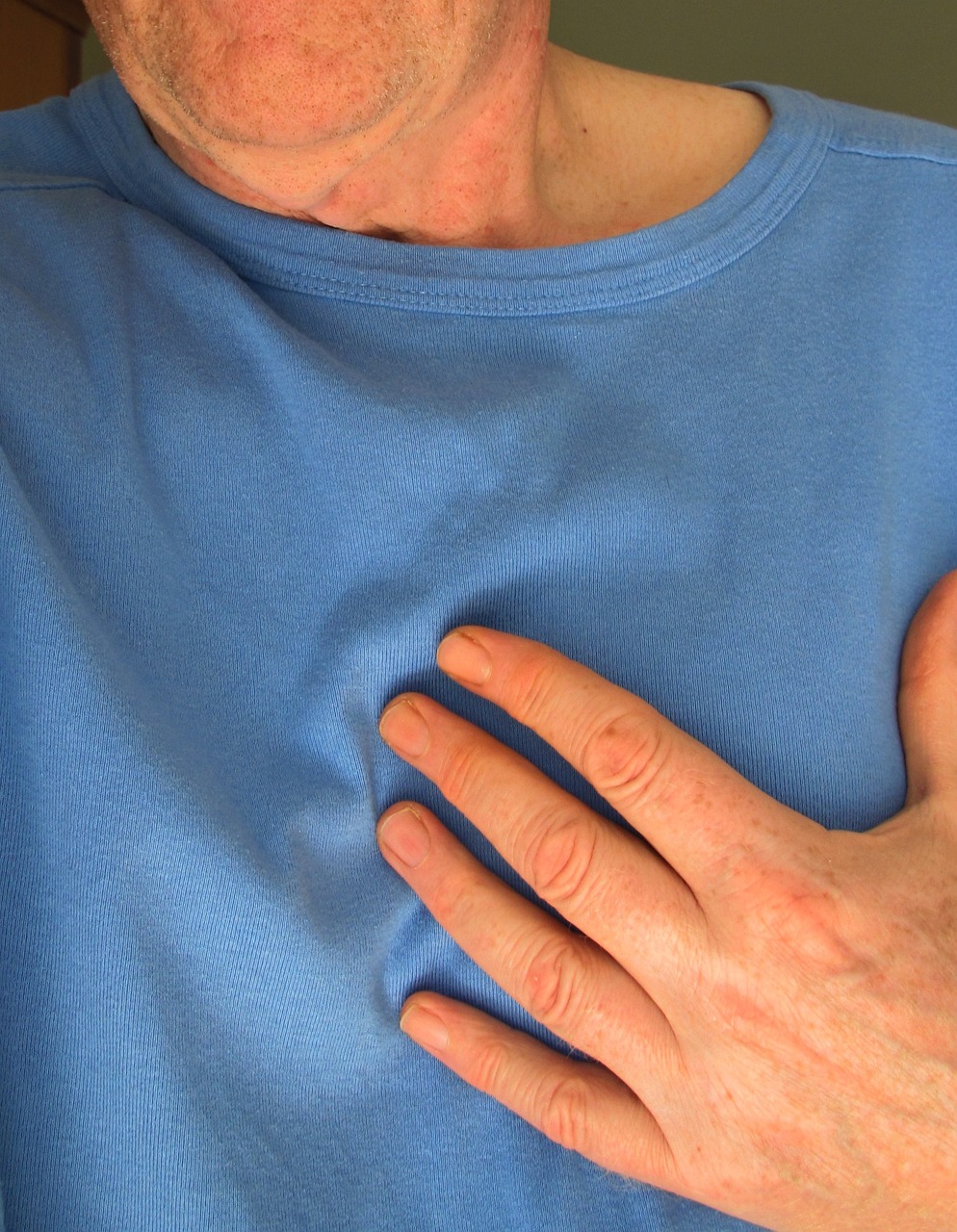
– Atherosclerosis : Obesity is a major contributor to atherosclerosis, a condition characterized by the build-up of fatty plaques in the arteries. This narrowing of the arteries can lead to reduced blood flow and increase the risk of heart attacks and strokes.
– Hypertension : Obesity is a key risk factor for high blood pressure. The additional weight forces the heart to work harder to pump blood, leading to increased pressure on the arterial walls.
– Dyslipidemia : Obesity is often associated with dyslipidemia, which includes high levels of LDL (low-density lipoprotein) cholesterol and low levels of HDL (high-density lipoprotein) cholesterol. These lipid abnormalities contribute to atherosclerosis and heart disease.
– Inflammation and Oxidative Stress : Obesity is linked to chronic inflammation and oxidative stress in the body, which can damage blood vessels and contribute to cardiovascular disease.
– Metabolic Syndrome : Obesity is a central component of metabolic syndrome, a cluster of risk factors that increase the likelihood of heart disease. These risk factors include abdominal obesity, high blood pressure, high blood sugar, and abnormal lipid profiles.
It’s important to note that obesity is not only linked to diabetes and heart disease but also to a range of other health issues, including certain types of cancer, sleep apnea, osteoarthritis, and liver disease. Furthermore, the health risks associated with obesity tend to increase with the degree of obesity, making early intervention and weight management crucial for preventing these conditions.
Preventive measures, including adopting a balanced diet, engaging in regular physical activity, and maintaining a healthy body weight, play a critical role in reducing the risk of obesity-related health problems, especially diabetes and heart disease. Medical guidance and management of obesity may be necessary in severe cases to mitigate these risks and improve overall health.
How Cultural Norms and Values in India can influence body image and Obesity
Cultural norms and values in India play a significant role in influencing body image and weight perception. India is a diverse country with a rich cultural heritage, and these cultural aspects contribute to how individuals view and assess their bodies. Here are some key ways in which culture impacts body image and weight perception in India:
1. Traditional Beauty Ideals : In India, traditional beauty standards have often revolved around specific physical attributes, such as fair skin, which has been associated with purity and desirability. This cultural preference for fair skin can influence how people perceive their own bodies and may lead to a preference for lighter complexions.
2. Family and Social Pressure : Indian society places great importance on family and social connections. The pressure to conform to societal expectations and fulfill family ideals can influence body image. For example, family members might express concern or make comments about an individual’s weight, which can lead to body dissatisfaction.
3. Cultural Celebrations and Festivals : India is known for its rich and diverse festivals, many of which involve the consumption of special foods. Celebratory feasts and gatherings can encourage overeating and contribute to weight gain. People may feel compelled to participate in these traditions, even if it negatively impacts their weight.
4. Gender Roles : Traditional gender roles and expectations in India can also affect body image. Men and women may feel pressure to conform to culturally defined standards of attractiveness, which can be linked to body weight and physique. For example, men may feel the need to be physically strong, while women may feel the pressure to be slim.
5. Marriage and Matrimonial Desirability : In India, marriage is often a significant life event, and body image can influence an individual’s desirability as a potential spouse. People may feel the need to meet certain body standards to enhance their chances of finding a suitable partner.
6. Media and Popular Culture : The portrayal of beauty and body ideals in Indian media, including films and advertisements, can reinforce certain body image standards. The media often highlights slimness and fairness as desirable qualities, which can impact how people perceive their own bodies.
7. Yoga and Ayurveda : While India’s cultural heritage promotes wellness through practices like yoga and Ayurveda, these traditions can also contribute to certain body image ideals. Yoga emphasizes physical and mental well-being, but it’s important to practice it in a balanced, non-competitive manner.

8. Changing Attitudes : It’s worth noting that India is experiencing shifts in cultural norms and values, particularly in urban areas. There is a growing awareness of the importance of health and fitness, and a shift away from strictly adhering to traditional beauty ideals.
Overall, cultural norms and values in India can exert both positive and negative influences on body image and weight perception. While cultural traditions and values can be a source of strength and identity, it’s essential to promote a healthy and balanced approach to body image and weight that emphasizes overall health and well-being over conforming to rigid cultural ideals. Encouraging body positivity and self-acceptance is crucial in helping individuals navigate the complex interplay between culture and body image. Click Here!
The role of Traditional Celebrations and Festivals in Promoting Obesity
Traditional celebrations and festivals in many cultures, including India, often promote overeating due to a combination of cultural, social, and psychological factors. While these events are typically a time of joy, togetherness, and indulgence, it’s important to be aware of the potential negative impacts of overeating on health. Here’s a discussion of the role of traditional celebrations and festivals in promoting overeating:
1. Cultural Significance : Festivals and celebrations are deeply ingrained in Indian culture. They have cultural, religious, and historical significance, and food is a central component of these events. Traditional dishes are often prepared to celebrate and maintain cultural heritage.
2. Social and Familial Expectations : In India, there is a strong emphasis on family and social gatherings during festivals. People are expected to come together, and the act of sharing food is seen as a way to express love, hospitality, and community. There is a social pressure to consume food as a sign of participation and respect for traditions.
3. Abundance of Special Foods : Festivals often feature a wide array of special and indulgent foods that are not typically consumed in daily life. These dishes can be high in calories, sugar, and fats, making it easy to overeat.

4. Emotional Connection : Food is emotionally connected to celebrations. It is a source of comfort and nostalgia. People often associate the taste of traditional dishes with happy memories and a sense of belonging. This emotional connection can lead to overindulgence.
5. Peer Pressure : During festivals and celebrations, individuals may feel pressured to eat more than they would typically consume. This can be due to peer pressure, hospitality, or a desire to fit in with the social group.
6. Lack of Awareness : In the excitement and joy of festivities, people may be less mindful of what and how much they are eating. This lack of awareness can lead to excessive consumption.
7. Guilt and Obligation : People might feel guilty or obligated to try every dish or accept generous portions offered by hosts, even if they are already full. This can result in overeating.
8. Food Wastage Concerns : Concerns about food wastage can lead to people consuming more than they can comfortably eat. It’s common to see an abundance of food prepared for festivals, and individuals may not want to see it go to waste.
9. Lack of Dietary Restraint : During festivals, individuals may let go of their dietary restrictions and indulge in foods they typically avoid. This can contribute to overeating.
10. Post-Festival Overindulgence : Overeating during festivals can extend beyond the celebration itself. Leftover festive foods can lead to post-festival overindulgence, contributing to weight gain and digestive issues.
To address the issue of overeating during traditional celebrations and festivals, it’s important to strike a balance between enjoying cultural traditions and maintaining health. This can be achieved by practicing mindful eating, portion control, and making conscious choices about which foods to indulge in. Additionally, hosting healthier versions of traditional dishes and incorporating physical activity into festive traditions can help mitigate the impact of overeating on health. Encouraging moderation and promoting awareness about the potential consequences of overindulgence is key to enjoying festivals while staying mindful of one’s health.
Good stuff conveyed. Thank you so much for sharing this content; I found it to be incredibly interesting and informative. Reiterating My Thank You. Very nice.