
PM Modi :
PM Modi will visit Maharashtra and Goa. Mr. Modi will arrive in Shirdi, Maharashtra, this afternoon to offer pooja and darshan at the Shri Saibaba Samadhi Temple. He will also dedicate the new Darshan Queue Complex at the temple. Shirdi’s new Darshan Queue Complex is a cutting-edge modern megastructure designed to serve pilgrims with pleasant waiting spots. It has several waiting halls with a total seating capacity of over ten thousand devotees. It has air-conditioned public amenities such as cloakrooms, restrooms, booking counters, prasad counters, an information centre, and so on. The PM Modi lay the groundwork for the new Darshan Queue Complex in October 2018.
Narendra Damodardas Modi born September 17, 1950 is an Indian politician who has been the country’s 14th Prime Minister since May 2014. PM Modi served as Gujarat’s Chief Minister from 2001 to 2014 and is currently the Member of Parliament (MP) for Varanasi. He is a supporter of the BJP and the Rashtriya Swayamsevak Sangh , a right-wing Hindu nationalist paramilitary volunteer organisation. He is the longest-serving prime minister from a political party other than the Indian National Congress.
The PM Modi will perform the Nilwande Dam Jal Pujan and dedicate the dam’s canal network to the country. He will attend a public event in Shirdi, where he will launch, dedicate to the nation, and lay the groundwork for a number of development projects totaling around 7500 crore rupees in areas including as health, train, road, and oil and gas. The Prime Minister will announce the ‘Namo Shetkari Mahasanman Nidhi Yojana’ during the public function. It will help more than 86 lakh Pradhan Mantri Kisan Samman Nidhi Yojana beneficiaries in Maharashtra by providing them with an additional six thousand rupees each year.
ALSO READ : 10 Understanding Points About Brain Haemorrhage
PM Modi Performs public event in Shirdi:
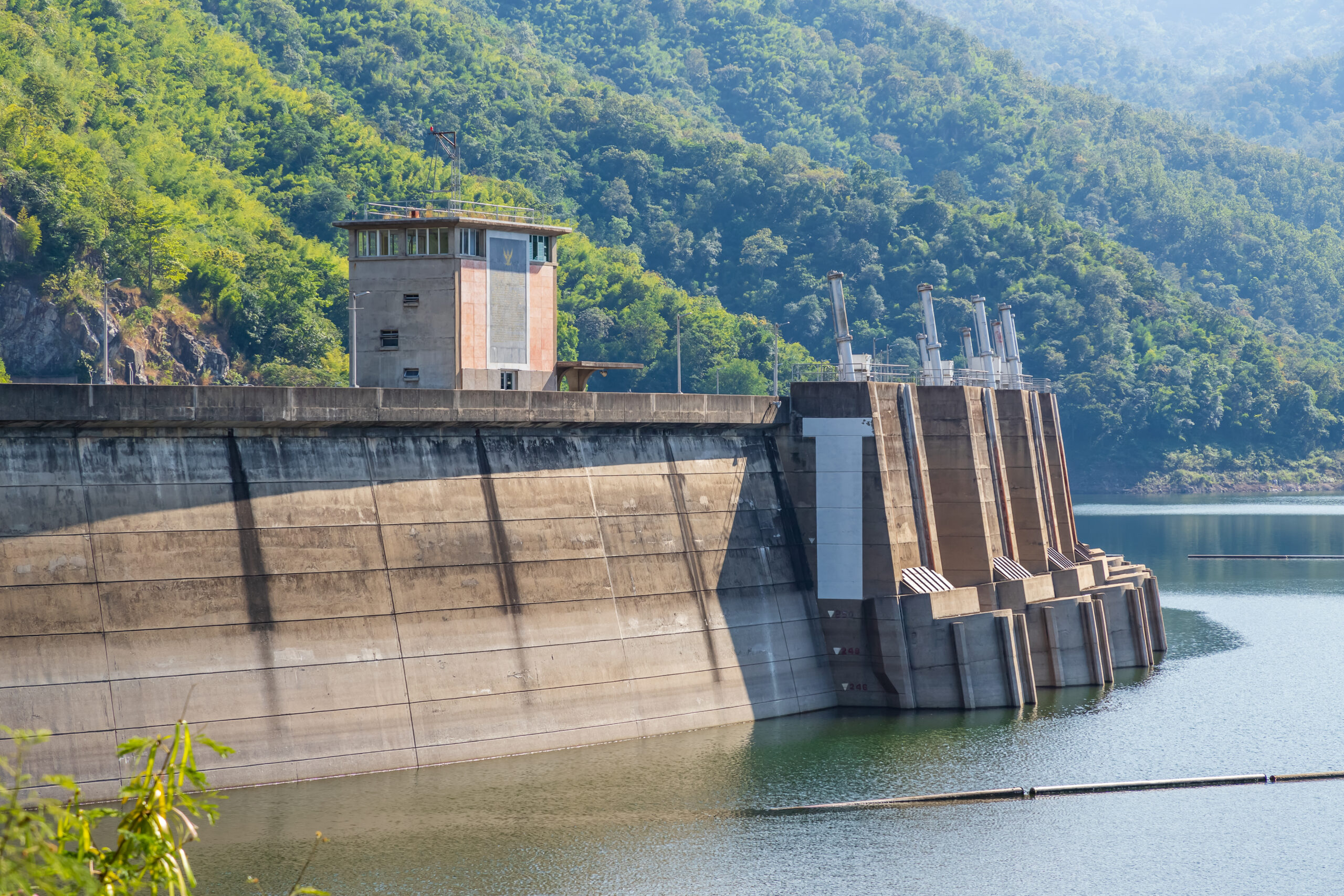
Around 2 p.m., he would perform Nilwande Dam’s Jal Pujan (water worship) and officially open the dam’s canal network. Later that afternoon, at 3:15 p.m., the Prime Minister will attend a public function at Shirdi. During this ceremony, he will inaugurate and lay the groundwork for a number of development projects worth approximately Rs. 7,500 crore, spanning sectors such as hospitals, trains, highways, and oil and gas.
PM Modi will dedicate the temple’s new Darshan Queue Complex. Shirdi’s new Darshan Queue Complex is a sophisticated, cutting-edge facility meant to give devotees with a waiting place. The Prime Minister will also dedicate the Nilwande Dam’s left bank canal network, which would assist 182 villages in Ahmednagar and Nashik districts.
Who Is PM Modi ?
Narendra Modi, born on September 17, 1950, in Vadnagar, a small village in the western Indian state of Gujarat, has risen to become one of India’s most prominent and divisive political personalities. He was the Prime Minister of India as of my latest knowledge update in January 2022, having been elected to the position in May 2014 and then re-elected for a second term in May 2019. This rise from humble beginnings to the highest political post in the world’s largest democracy demonstrates his political savvy, leadership, and charisma.
Modi’s childhood was characterised by simplicity and modesty. He hailed from a low-income family and spent his childhood helping his father sell tea at a railway station. This poor beginning became a significant feature in his political narrative, connecting him with millions of Indians who loved his rags-to-riches story. His path to prominence was marked by hard work, ambition, and a lifelong interest in politics. Read More!
Narendra Modi has a lengthy and exciting political career before becoming Prime Minister. At a young age, he joined the Rashtriya Swayamsevak Sangh (RSS), a Hindu nationalist organisation, which paved his road into politics. He joined the right-wing political group Bharatiya Janata group (BJP) in 1987 and quickly ascended through the ranks due to his organisational abilities and adherence to the party’s ideology.
One of Modi’s most notable accomplishments occurred during his stint as Chief Minister of the Indian state of Gujarat, which he held from 2001 to 2014. During his tenure, the country experienced both extraordinary economic growth and intense political conflict. Gujarat had fast industrialization and economic growth throughout his tenure, garnering him the reputation of a pro-business and pro-development leader. However, his presidency was tainted by criticism and claims of passivity during the 2002 Gujarat riots, which killed hundreds of people, predominantly Muslims. Modi has been chastised for his handling of the issue during those volatile times.
Despite the controversy, Modi’s popularity grew, and his image of a rich and powerful India resonated with many. His development strategy, dubbed the “Gujarat Model,” was a crucial component of his successful run for Prime Minister in 2014. Under his leadership, the BJP won a resounding victory in the general elections, and Narendra Modi became India’s 14th Prime Minister.
Narendra Modi’s reign as Prime Minister has been marked by a mix of ambitious economic reforms, international diplomacy, and promotion of Indian culture and tradition. His administration launched projects such as “Make in India” and “Digital India” to strengthen the manufacturing and technology sectors, as well as the “Swachh Bharat Abhiyan” to address sanitation issues throughout the country. He was also instrumental in the adoption of the Paris Agreement on Climate Change.
PM Modi’s foreign policy has been distinguished by an assertive posture on the world stage. He has improved India’s ties with countries like as the United States, Russia, and major Asian neighbours. He has also participated in global conferences and worked to improve India’s standing in international affairs.
Domestically, PM Modi government has pursued a number of daring measures, including the contentious demonetization in 2016, which attempted to combat illicit money and corruption but had huge economic consequences. The introduction of the Goods and Services Tax (GST) in 2017 was another significant change aimed at streamlining the tax system, albeit its implementation was fraught with difficulties.
PM Modi leadership style has drawn both praise and criticism. His fans praise him for his charisma, good communication abilities, and ability to connect with the public. His “Mann Ki Baat” radio programme, in which he addresses the nation directly, has been a novel means of reaching out to the public. His critics, on the other hand, claim that his administration has been divisive and that his handling of certain topics, such as religious tensions, has been problematic.
PM Modi won another major victory in the 2019 general elections, cementing his status as India’s main political figure. His BJP scored a landslide victory, and he began his second term as Prime Minister with a renewed mandate. His second administration offered new issues, notably dealing with the COVID-19 pandemic and its economic consequences.