When to Start Exercise After Childbirth:
The timing for starting exercise after giving birth can vary depending on several factors, including your individual health, the type of delivery you had, and your doctor’s recommendations. In general, here are some guidelines for when you can start exercising after childbirth:
-
3 Simple Ways To Eat Black Beans – Health Benefits Of Black Beans
-
5 Foods To Eat To Control Type 2 Diabetes – Healthy Eating Tips
Vaginal Delivery:
1. Immediate Postpartum Period: In the immediate postpartum period, it’s crucial to focus on rest and recovery. Your body has undergone significant changes during childbirth, and you need time to heal. Light activities like gentle stretching or walking are typically encouraged, but high-impact exercises are not recommended.
2. First 6 Weeks: Most healthcare providers advise waiting until your postpartum checkup, which usually occurs around 6 weeks after delivery, to get clearance for more vigorous exercises. During this checkup, your doctor can assess your recovery and provide guidance on when it’s safe to resume exercise.
Cesarean Section (C-Section):
1. Immediate Postpartum Period:After a C-section, you’ll need more time to recover due to the surgical procedure. It’s important to prioritize rest and follow your doctor’s instructions.
2. First 6-8 Weeks: You’ll typically need to wait at least 6-8 weeks before starting more intensive exercises. Your incision needs time to heal, and it’s essential to avoid activities that strain the abdominal muscles during the early postpartum period.
Healthy and Effective Postpartum Weight Loss Strategies
Weight loss after pregnancy, often referred to as postpartum weight loss, is a common concern for many new mothers. It’s important to approach this process in a healthy and gradual manner, focusing on both the physical and emotional aspects of postpartum recovery. Here are some tips for achieving a healthy weight loss after pregnancy:
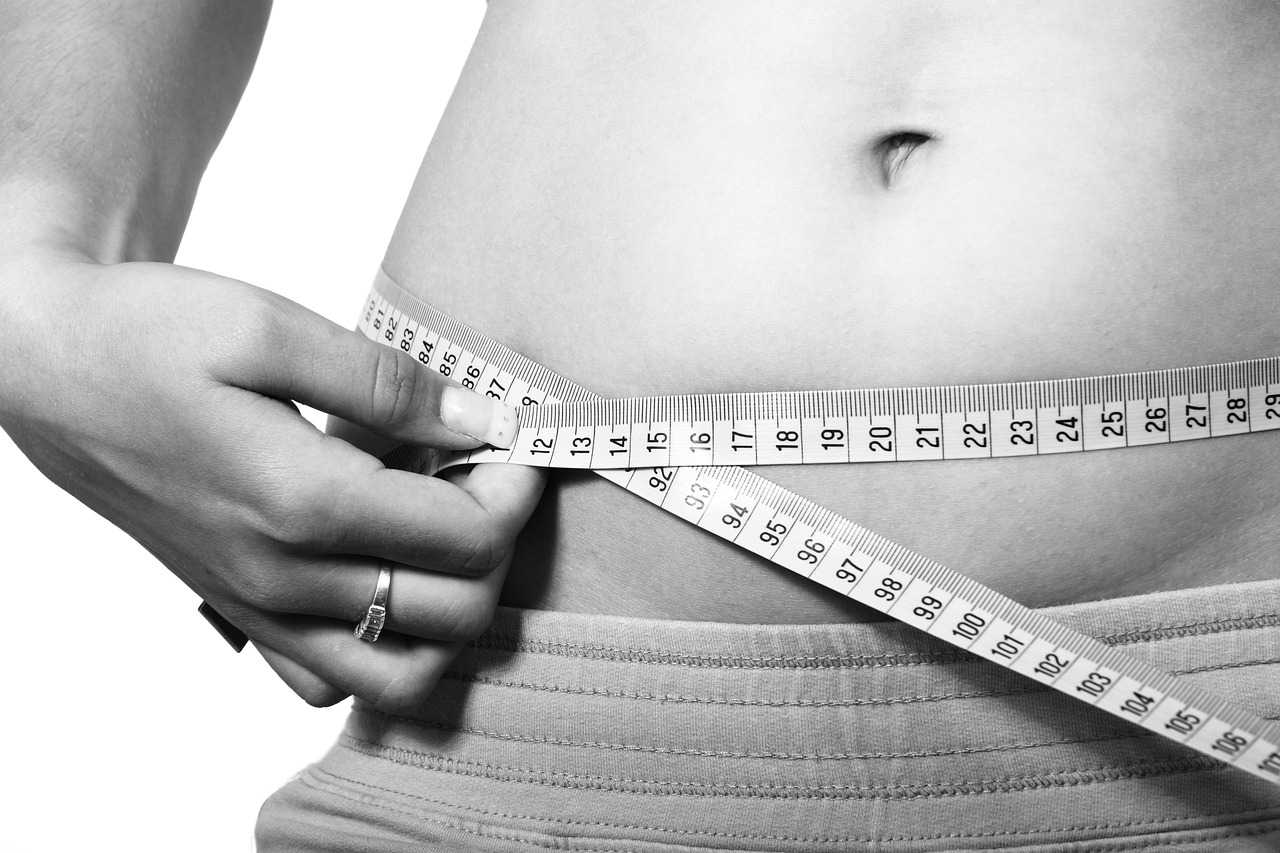
1. Be Patient: It’s essential to remember that your body has undergone significant changes during pregnancy, and it may take time to return to your pre-pregnancy weight and shape. Be patient with yourself and avoid setting unrealistic expectations for rapid weight loss.
2. Breastfeeding: If you’re breastfeeding, it can help with weight loss because it burns extra calories. However, it’s important to prioritize your baby’s nutritional needs, and not restrict calories too severely, as this can affect milk production.
3. Balanced Diet: Focus on a well-balanced and nutritious diet that includes a variety of foods from all food groups. Opt for whole grains, lean proteins, fruits, vegetables, and healthy fats. Avoid highly processed or sugary foods.
4. Portion Control: Pay attention to portion sizes. Eating smaller, frequent meals can help control hunger and prevent overeating.
5. Stay Hydrated: Drinking plenty of water is essential for overall health and can also help control hunger. Sometimes thirst is mistaken for hunger.
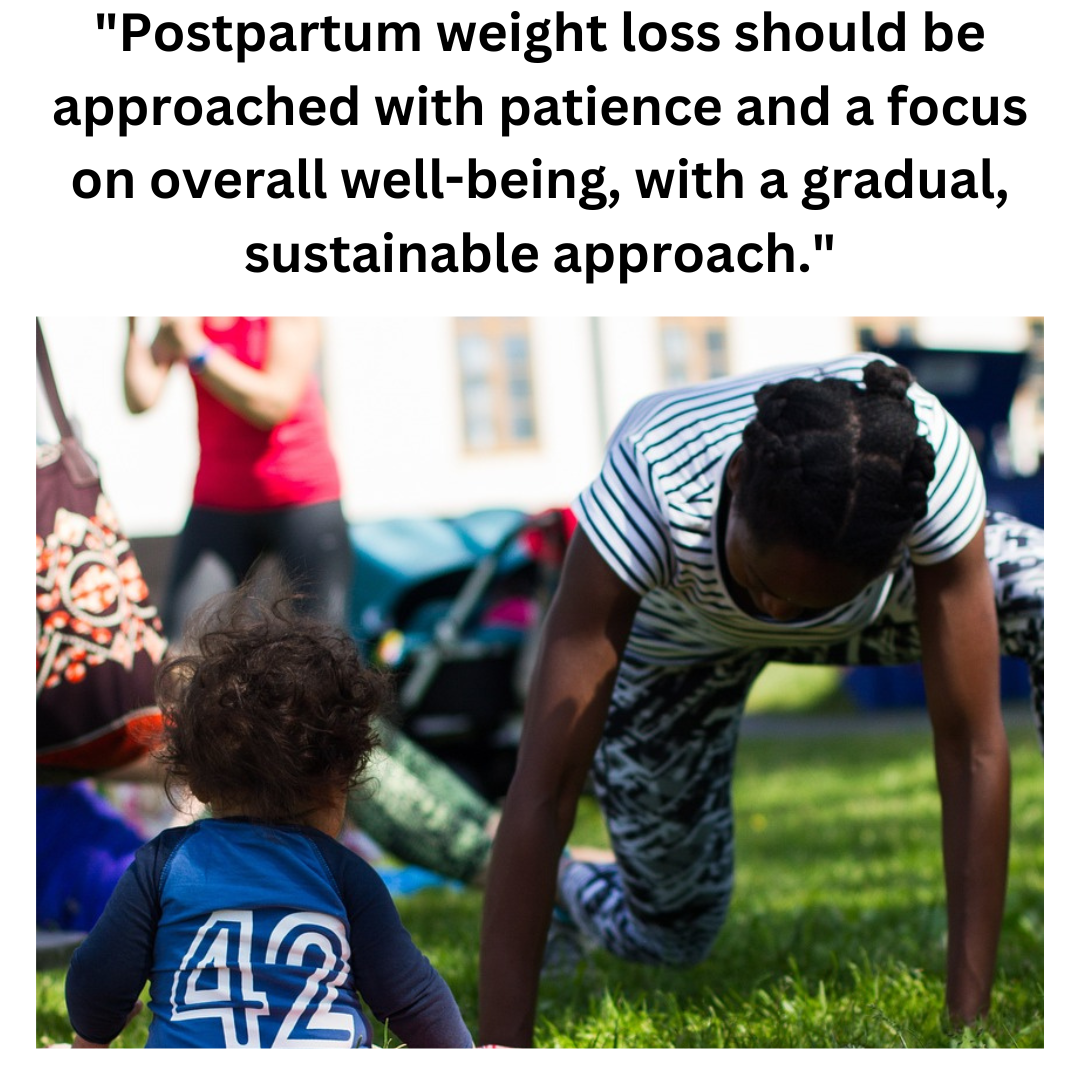
6. Exercise: Gradually incorporate physical activity into your routine, following your doctor’s recommendations. Walking, yoga, and postpartum fitness classes can be great choices. Exercise can help tone muscles, boost metabolism, and improve mood.
7. Get Adequate Sleep: Lack of sleep can disrupt your metabolism and lead to weight gain. Try to rest when your baby sleeps and seek support from family and friends to give you time for self-care.
8. Mindful Eating: Pay attention to what you eat and savor your meals. Avoid eating in front of the TV or computer, as this can lead to mindless eating.
9. Seek Support: Join a postpartum support group or connect with other new mothers. Sharing experiences and tips for healthy living can be encouraging and motivating.
10. Consult a Healthcare Provider: Before starting any weight loss plan, consult your healthcare provider, especially if you had complications during pregnancy or are recovering from a C-section. They can provide personalized advice and ensure you are losing weight safely.
11. Emotional Well-Being: Don’t neglect your emotional well-being. The postpartum period can be challenging, and emotional health is closely linked to physical health. Seek support from a therapist or counselor if you are dealing with postpartum depression or anxiety.
12. Set Realistic Goals: Set achievable weight loss goals and celebrate your milestones, no matter how small. Remember that every woman’s postpartum journey is different.
13. Breastfeed Safely: While breastfeeding can help with weight loss, it’s essential to maintain a balanced diet to ensure you and your baby receive proper nutrition.
Remember that postpartum weight loss is just one aspect of your postpartum recovery. It’s important to prioritize your overall well-being, including emotional and mental health, while taking care of your new baby. Your body has accomplished something remarkable, and it’s essential to give it the time and care it needs for a healthy and sustainable postpartum weight loss journey. read more
2 thoughts on ““Postpartum Exercise: When and How to Start Safely””