

Life Doesn’t End Up With Type 2 Diabetes .
May be some of you are just been diagnosed with Type 2 Diabetes or some of you or your loved ones might be dealing with it . Doesn’t matter where you are with Type 2 Diabetes but there are many things that you should know about it .
Type 2 Diabetes is the major health issue in USA . It is body’s improper functioning of regulating blood glucose . In this Type the body has enough of the glucose but the circulation in the blood stream couldn’t get conducted properly as the cells does not responds to insulin, which eventually increases blood sugar level leading to disorders of circulatory , nervous and immune system.
Type 2 diabetes is an adult-onset diabetes ,although both type 1 and type 2 diabetes can arise during childhood as well as adulthood. While Type 2 is more common in older adults, but due to increase in obesity among children has led to more cases of type 2 diabetes in children.
Symptoms – When To See The Doctor ?
Signs and symptoms of Type 2 Diabetes begins slowly . They might be too slow that you may not see them for years living with diabetes Type 2. And you must consult your doctor as soon as you notice any of the symptoms written below:
- Increased thirst

- Frequent urination
- Increased hunger
- Unintended weight loss
- Fatigue
- Blurred vision
- Slow-healing sores
- Frequent infections
- Numbness or tingling in the hands or feet
- Areas of darkened skin, usually in the armpits and neck
Causes To Assess Type 2 Diabetes – What Are The Reasons Behind ?

- You will develop type 2 diabetes if you are not physically active and overweight. Extra weight causes insulin resistance and is common in people with type 2 diabetes.
- Cells of muscle, fat and the liver become insulin resistant. And as these cells don’t contact in a normal way with insulin, they don’t accept enough glucose .
- Pancreas do not produce enough insulin to manage blood sugar levels.
Type 2 Diabetes Risk Factors – What Can be changed ?

- Type 2 diabetes is a condition that causes high levels of sugar in the bloodstream.
- Risk factors for developing type 2 diabetes include being overweight, not getting enough physical activity, having a family history of the disease, being of certain races or ethnicities, having low levels of “good” cholesterol and high levels of triglycerides, getting older, having had gestational diabetes during pregnancy, having polycystic ovary syndrome, and having areas of darkened skin on the body.
- You can reduce your risk of developing type 2 diabetes by staying physically active, eating a healthy diet, and maintaining a healthy weight.
.
Type 2 diabetes screening and diagnosis in the USA
 If you are facing type 2 diabetes, your healthcare provider will likely perform a series of tests to confirm the diagnosis and assess your overall health. These tests may include:
- A fasting plasma glucose test: This test measures your blood sugar level after you have fasted for at least eight hours.
- An A1C test: This test measures your average blood sugar level over the past two to three months.
- An oral glucose tolerance test: This test measures your blood sugar level before and after you drink a sugary drink.
Type 2 Diabetes Medications – Diabetes Management Strategies
There is no single “drug of choice” for type 2 diabetes because the optimal treatment plan for a person with type 2 diabetes depends on several factors, including their age, overall health, other medical conditions, and personal preferences.
However, the American Diabetes Association (ADA) recommends that people with type 2 diabetes should start with lifestyle modifications such as diet and exercise, and then add medication as needed to achieve their target blood sugar levels. The ADA also recommends a patient-centered approach to medication management that takes into account individual patient characteristics, including comorbidities, hypoglycemia risk, and medication side effect profile.
Once you have been diagnosed with type 2 diabetes, your healthcare provider may recommend medications to help manage your blood sugar level. The type of medication prescribed will depend on a variety of factors, including your blood sugar level, age, overall health, and any other medical conditions you may have. Some common medications used to treat type 2 diabetes include:
- Metformin: This medication helps reduce the amount of glucose produced by the liver and helps your body use insulin more effectively.
- Sulfonylureas: These medications stimulate the pancreas to produce more insulin.
- DPP-4 inhibitors: These medications help lower blood sugar by increasing the level of incretin hormones, which stimulate the pancreas to produce more insulin.
- GLP-1 receptor agonists: These medications help lower blood sugar by increasing the level of incretin hormones, which stimulate the pancreas to produce more insulin.
In addition to medication, your healthcare provider may also recommend lifestyle changes such as following a healthy diet, getting regular exercise, and monitoring your blood sugar level regularly to help manage your type 2 diabetes.
The specific medication or combination of medications used for a person with type 2 diabetes will depend on their individual situation and treatment goals. It’s important to work closely with a healthcare provider to determine the best treatment plan for your specific needs.
Type 2 Diabetes Complications – What Will Happen If Type 2 Diabetes Left Untreated ?
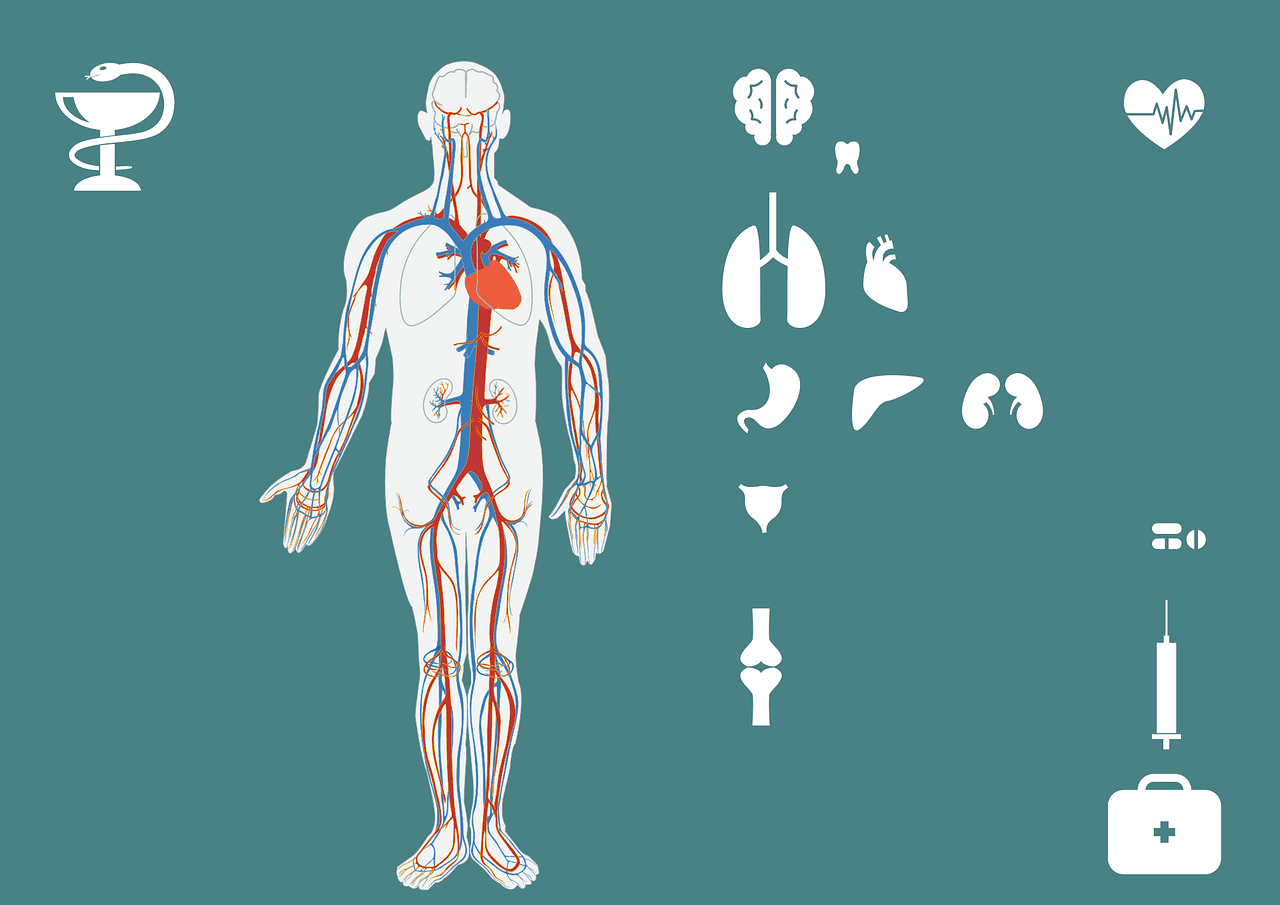
If type 2 diabetes is not well managed, it can lead to a variety of complications that can be serious and even life-threatening. Some of the potential complications of untreated or poorly controlled type 2 diabetes include:
- Cardiovascular disease: High blood sugar levels can damage blood vessels, which can increase the risk of heart disease and stroke.
- Nerve damage: Over time, high blood sugar levels can damage nerves throughout the body, leading to a condition called diabetic neuropathy. This can cause tingling, numbness, pain, or weakness in the hands and feet, as well as other areas of the body.
- Kidney damage: High blood sugar levels can damage the small blood vessels in the kidneys, which can lead to chronic kidney disease and even kidney failure.
- Eye damage: Diabetes can damage the blood vessels in the retina, which can cause a condition called diabetic retinopathy. This can cause vision loss and even blindness if left untreated.
- Foot damage: Nerve damage and poor circulation can make it difficult for people with diabetes to feel or heal foot injuries, which can lead to infections and even amputations in severe cases.
- Skin conditions: People with diabetes are more susceptible to developing bacterial and fungal infections, which can be difficult to treat.
- Hearing impairment: Studies have shown that people with diabetes are at higher risk of hearing impairment than people without diabetes.
It’s important to manage your type 2 diabetes through healthy lifestyle choices, regular medical care, and appropriate medication use in order to prevent or minimize the risk of these potential complications.
Preventions For Type 2 Diabetes : Self – Care For Diabetes Type 2

Type 2 diabetes is a chronic condition in which the body is unable to properly use and store glucose, resulting in high blood sugar levels. While some risk factors for developing type 2 diabetes, such as age, ethnicity, and family history, cannot be changed, there are several lifestyle changes that can help prevent or delay the onset of the condition. Here are some effective ways to prevent type 2 diabetes:
Maintain a healthy weight: Being overweight or obese is one of the most significant risk factors for developing type 2 diabetes. Losing weight through a combination of a healthy diet and regular exercise can significantly reduce your risk.
Exercise regularly: Exercise helps to maintain a healthy weight, reduce insulin resistance, and lower blood sugar levels. Aim for at least 150 minutes of moderate-intensity exercise or 75 minutes of vigorous-intensity exercise per week.
Eat a healthy diet: A balanced diet that is rich in whole grains, fruits, vegetables, lean proteins, and healthy fats can help prevent type 2 diabetes. Limit your intake of processed and sugary foods and drinks . READ MORE for some Healthy Recipes
Quit smoking: Smoking increases the risk of developing several health conditions, including type 2 diabetes. Quitting smoking can help reduce your risk.
Reduce alcohol consumption: Drinking too much alcohol can lead to weight gain and increase the risk of developing type 2 diabetes. Limit your alcohol intake to no more than one drink per day for women and two drinks per day for men.
Get enough sleep: Lack of sleep can lead to insulin resistance and increase the risk of developing type 2 diabetes. Aim for at least seven to eight hours of sleep per night.
Manage stress: Chronic stress can increase the risk of developing type 2 diabetes. Manage stress through techniques such as meditation, yoga, or deep breathing exercises.
By making these lifestyle changes, you can significantly reduce your risk of developing type 2 diabetes and improve your overall health and well-being.
Diabetes Health Programs :
There are several diabetes programs in the USA that provide education, resources, and support to individuals with diabetes. Here are some examples:

- National Diabetes Prevention Program (NDPP): A lifestyle change program that offers education and support to individuals with prediabetes to help them make sustainable changes to reduce their risk of developing type 2 diabetes.
- Diabetes Self-Management Education and Support (DSMES): A program that provides education and resources to help individuals with diabetes manage their condition and prevent complications. This program is typically offered through healthcare providers or community organizations.
- YMCA’s Diabetes Prevention Program: A lifestyle change program similar to NDPP that helps individuals with prediabetes make sustainable changes to reduce their risk of developing type 2 diabetes.
- American Diabetes Association (ADA) Programs: The ADA offers several programs, including the Living with Type 2 Diabetes Program, which provides education and support to individuals with type 2 diabetes.
- Taking Control of Your Diabetes (TCOYD): A non-profit organization that provides education and resources to individuals with diabetes to help them manage their condition and prevent complications.
- Endocrine Society’s Endocrine Patient Education Center: A resource that provides educational materials on diabetes and other endocrine disorders for patients and their families.
These are just a few examples of diabetes programs available in the USA. It’s important to talk to your healthcare provider or local community organizations to find out about additional programs available in your area.
Diabetes Can Affects Mental Health:

There is a significant link between diabetes and mental health. Living with diabetes can be challenging and stressful, and the burden of managing a chronic condition can take a toll on a person’s mental health. Here are some ways that diabetes and mental health are connected:
- Depression and Anxiety: Depression and anxiety are more common in people with diabetes than in the general population. The burden of managing diabetes can lead to feelings of overwhelm, hopelessness, and anxiety.
- Diabetes Distress: Diabetes distress is a specific type of psychological distress that is related to the burden of diabetes management. It can include feelings of frustration, anger, guilt, and anxiety.
- Diabetes Burnout: Diabetes burnout is a term used to describe a state of emotional and physical exhaustion that can occur when a person with diabetes feels overwhelmed by the demands of managing their condition.
- Blood Sugar Control: Poor blood sugar control can also affect mental health. High blood sugar levels can cause symptoms such as fatigue, irritability, and difficulty concentrating, while low blood sugar levels can cause symptoms such as confusion, anxiety, and irritability.
- Eating Disorders: People with diabetes are also at higher risk for developing eating disorders, such as binge eating disorder or diabulimia, which is the intentional omission of insulin in order to lose weight.
It’s important for people with diabetes to prioritize their mental health and seek support when needed. This can include talking to a healthcare provider or mental health professional, participating in a support group, or finding ways to manage stress and improve overall well-being. By addressing the link between diabetes and mental health, individuals can improve their quality of life and reduce the risk of diabetes-related complications.
1 thought on “Type 2 Diabetes – The Major Health Issues In The USA”